Fiona Millar: Powerful Voice of Truth in Education — Inspiring Advocate Yet Controversial Reformer
A Deep Insight into the Life of a British Journalist and Education Campaigner

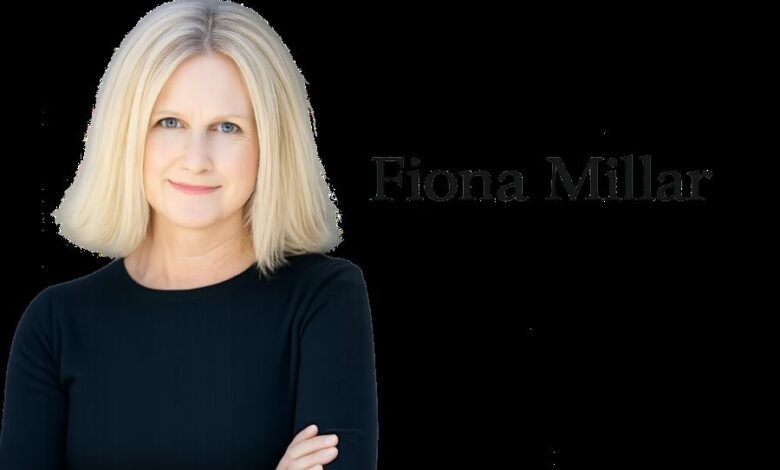
Fiona Millar is widely recognized as a leading British journalist and education campaigner whose work has shaped debates around fairness, schooling, and public policy in the UK.
Her career reflects both admiration and criticism, as she continues to challenge systems while influencing national conversations on education reform.
Table of Contents
ToggleIntroduction
Fiona Millar has built a career that bridges journalism, politics, and activism. Known for her strong opinions on education equality, she has consistently used her voice to advocate for comprehensive schooling and fair opportunities for children.
Her journey from newsroom reporting to policy influence makes her one of the most impactful yet debated figures in modern British education discourse.
Quick Bio
| Field | Information |
|---|---|
| Full Name | Fiona Millar |
| Date of Birth | 2 January 1958 |
| Age | 68 (as of 2026) |
| Birthplace | Lambeth, London, England |
| Nationality | British |
| Profession | Journalist, Education Campaigner |
| Education | University College London |
| Partner | Alastair Campbell |
| Children | 3 |
Early Life and Background
Fiona Millar was born in Lambeth, London, and raised in a socially aware environment that influenced her worldview from a young age. Growing up in a city known for its diversity and inequality exposed her to real-life social challenges early on.
Her family environment played a crucial role in shaping her interest in public issues. With influences rooted in politics and community work, she developed a strong sense of responsibility toward societal improvement.
Her education further strengthened her analytical thinking. Studying Economics and Economic History at University College London gave her a foundation to understand systems, policies, and their real-world implications.
This academic background later became essential in her ability to critique education systems and government policies with clarity and depth.
Career Beginnings in Journalism
Fiona Millar started her professional journey in journalism through a graduate training program. Like many aspiring reporters, she began by covering news stories and gradually built her reputation in political reporting.
She worked as a reporter and lobby correspondent, gaining first-hand experience of how politics and media intersect. This period helped her understand how narratives are shaped and how information influences public opinion.
Her work as a British journalist was not just about reporting facts. She developed a voice that questioned systems and highlighted inequalities, setting her apart from many traditional journalists.
This early phase laid the groundwork for her later transition into political advisory roles and activism.
Role in Politics and Government
Fiona Millar’s career took a significant turn when she moved into politics. She worked closely with the Labour Party and later became part of the UK government during Tony Blair’s leadership.
Her role in Downing Street gave her direct exposure to policymaking. She served as an adviser and worked closely with political figures, including Cherie Blair.
This period was both influential and controversial. On one hand, it provided her with deep insights into how government operates. On the other, it also positioned her within political debates that attracted criticism.
Despite this, her experience in government strengthened her understanding of education policy, which later became central to her work.
Transition to Education Campaigning
After leaving government, Fiona Millar shifted her focus toward education. This transition marked the most defining phase of her career.
She became a strong advocate for comprehensive schooling, arguing against selective systems that she believed created inequality. Her work aimed to ensure that all children, regardless of background, had equal access to quality education.
Her involvement in education campaigns brought both praise and opposition. Supporters saw her as a champion of fairness, while critics viewed her stance as overly critical of traditional systems.
Regardless of perspective, her influence in education debates became undeniable.
Writing and Media Presence
Fiona Millar continued her work through writing, becoming a regular contributor to major publications. Her articles often focus on education policy, parenting, and social issues.
As a British journalist, she uses her platform to challenge policies and highlight issues affecting students and families. Her writing is known for being direct, opinionated, and thought-provoking.
She has also contributed to television and public discussions, further expanding her reach. Her ability to communicate complex issues in a relatable way has made her a prominent voice in public discourse.
Through media, she continues to influence how people think about education and fairness.
Books and Thought Leadership
Fiona Millar has authored and co-authored books that explore education and social issues. These works reflect her deep engagement with policy and her desire to create meaningful change.
Her writing goes beyond surface-level analysis. It challenges readers to rethink assumptions about schooling, parenting, and equality.
Her books have contributed to ongoing debates about education reform. They provide insights into how systems operate and where improvements are needed.
This intellectual contribution adds another dimension to her role as both a journalist and campaigner.
Personal Life and Influence
Fiona Millar’s personal life has also attracted public interest, particularly her long-term relationship with Alastair Campbell. Together, they represent a connection between media and politics.
Despite public attention, she has maintained a focus on her work rather than personal publicity. Her life reflects a balance between family responsibilities and professional commitments.
Her experiences as a parent have also influenced her views on education. This personal connection adds authenticity to her advocacy, making her arguments more relatable and grounded.
It is this blend of personal insight and professional expertise that strengthens her voice.
Legacy and Impact
Fiona Millar’s legacy lies in her commitment to fairness in education. She has consistently challenged systems that she believes disadvantage certain groups.
Her work has sparked important conversations about equality, access, and the purpose of education in modern society.
While opinions about her may differ, her influence cannot be ignored. She has shaped debates, influenced policies, and encouraged people to think critically about education systems.
Her legacy is one of courage, persistence, and a willingness to question the status quo.
Conclusion
Fiona Millar stands as a powerful yet sometimes controversial figure in British public life. As a British journalist and education campaigner, she has used her voice to advocate for change and challenge inequality.
Her journey from journalism to politics and activism highlights a career driven by purpose. Whether admired or debated, her contributions continue to shape the future of education.
FAQ
Who is Fiona Millar?
Fiona Millar is a British journalist and education campaigner known for her work on school reform and equality.
What is Fiona Millar famous for?
She is known for her advocacy of comprehensive education and her writing on education policy.
Is Fiona Millar still active?
Yes, she continues to write and speak on education issues.
What does Fiona Millar do now?
She works as a columnist and education campaigner, contributing to public debates.
Who is Fiona Millar’s partner?
Her partner is Alastair Campbell, a British political strategist.