Introduction
Agriculture remains one of the most important industries in the world, providing food, raw materials, and economic stability for billions of people. The success of agricultural production depends on several factors, including soil quality, climate conditions, farming practices, and water availability. Among these factors, water plays the most critical role because crops cannot survive or produce healthy yields without adequate moisture. As populations continue to grow and food demand increases, farmers face the challenge of producing more while conserving natural resources. Unpredictable weather patterns and water shortages have made efficient water management a top priority in modern farming. Irrigation has become an essential solution for addressing these challenges by providing a controlled and reliable water supply to crops throughout their growth cycle. Through innovative technologies and sustainable practices, Irrigation supports agricultural productivity while helping farmers use water resources more efficiently.
The Importance of Water in Crop Development
Water is essential for every stage of plant growth and development. From seed germination to harvest, crops rely on consistent moisture levels to absorb nutrients, perform photosynthesis, and maintain healthy growth. Without sufficient water, plants become stressed, resulting in reduced yields and lower-quality produce. In many agricultural regions, natural rainfall alone is not enough to meet crop requirements throughout the year. Seasonal droughts, changing weather patterns, and uneven rainfall distribution can create significant challenges for farmers. Irrigation helps overcome these limitations by ensuring that crops receive adequate water regardless of environmental conditions. This reliable supply allows farmers to maintain stable production levels and improve overall farm performance. By reducing dependence on unpredictable rainfall, Irrigation contributes to food security and supports long-term agricultural sustainability.
Evolution of Water Management Practices
Water management in agriculture has evolved significantly over the centuries. Early farming communities relied on simple channels and natural waterways to direct water toward cultivated fields. These methods were effective for small-scale farming but often resulted in water loss and uneven distribution. As agricultural demands increased, more advanced systems were developed to improve efficiency and productivity. Modern Irrigation technologies now allow farmers to control water distribution with remarkable precision. Automated systems, monitoring devices, and advanced delivery methods have transformed the way water is managed in agriculture. These innovations not only improve crop performance but also reduce waste and conserve valuable resources. The evolution of Irrigation demonstrates how technology can help agriculture adapt to changing environmental and economic challenges.
Common Irrigation Methods Used in Modern Agriculture
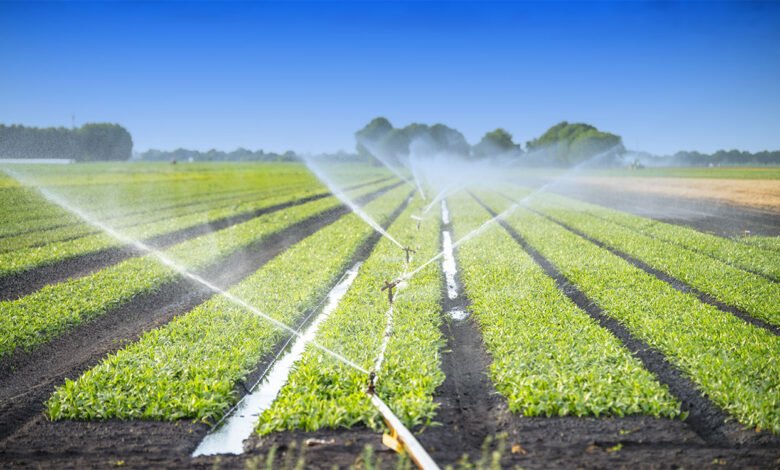
Several Irrigation methods are used today, each designed to meet specific farming requirements and environmental conditions. Surface systems remain one of the oldest and most widely used approaches, allowing water to flow naturally across fields through carefully designed channels. Sprinkler systems distribute water through the air, simulating natural rainfall and providing even coverage across large agricultural areas. Drip systems are considered one of the most efficient options because they deliver water directly to plant roots, minimizing evaporation and runoff. Subsurface methods provide water beneath the soil surface, encouraging deep root growth and reducing water loss. Each Irrigation technique offers unique advantages depending on crop type, soil characteristics, and available resources. Selecting the appropriate method is essential for maximizing efficiency and achieving sustainable agricultural results.
Benefits of Efficient Water Distribution
Efficient water distribution provides numerous benefits for both farmers and the environment. One of the most significant advantages is improved crop productivity. Consistent moisture levels allow plants to grow more uniformly and produce higher yields. Reliable water access also enables farmers to cultivate crops during dry periods, reducing the risk of production losses. Irrigation helps improve nutrient uptake by maintaining proper soil moisture conditions, which supports stronger plant development and healthier harvests. In addition, efficient systems reduce water waste by delivering precise amounts where they are needed most. This not only conserves resources but also lowers operating costs associated with excessive water use. Through careful management, Irrigation contributes to increased profitability and long-term agricultural success.
Supporting Sustainable Farming Practices
Sustainability has become a major focus in modern agriculture as farmers seek to balance productivity with environmental responsibility. Water conservation is a key component of sustainable farming because freshwater resources are limited and increasingly under pressure. Advanced Irrigation systems help address this challenge by reducing unnecessary water consumption and improving efficiency. Drip delivery methods, soil moisture sensors, and automated controls enable farmers to apply water only when required. These practices minimize waste and support responsible resource management. Sustainable Irrigation strategies also help protect ecosystems by reducing runoff and preventing soil degradation. By promoting efficient water use, modern farming can meet production goals while preserving resources for future generations.
The Role of Technology in Modern Irrigation
Technology has revolutionized agricultural water management by introducing tools that improve accuracy, efficiency, and convenience. Smart sensors can monitor soil moisture levels in real time, providing valuable data that helps farmers make informed decisions. Automated control systems can adjust water delivery based on weather conditions, crop requirements, and environmental factors. Remote monitoring platforms allow farmers to manage operations from virtually anywhere, improving efficiency and reducing labor demands. These technological advancements have made Irrigation more precise than ever before. By integrating data-driven solutions into farming practices, producers can optimize water usage, improve crop performance, and reduce operational expenses. Technology continues to drive innovation in Irrigation and plays a critical role in shaping the future of agriculture.
Environmental Benefits of Efficient Water Management
Efficient water management provides substantial environmental benefits that extend beyond agricultural productivity. Proper water distribution helps prevent soil erosion, which can occur when excessive water flows across fields. Maintaining appropriate moisture levels also supports healthy soil structure and reduces nutrient loss. Advanced Irrigation systems minimize runoff, preventing fertilizers and other agricultural inputs from entering nearby waterways. This contributes to cleaner water sources and healthier ecosystems. In addition, efficient practices help conserve groundwater supplies by reducing unnecessary extraction. By promoting responsible resource use, Irrigation supports environmental sustainability while enabling farmers to maintain productive operations. These benefits demonstrate the importance of balancing agricultural needs with ecological protection.
Economic Advantages for Farmers
Investing in efficient water management systems can provide significant economic advantages for agricultural producers. Consistent crop yields lead to more predictable income and improved financial stability. Reliable water access allows farmers to diversify production and grow a wider variety of crops throughout the year. Modern Irrigation systems can also reduce labor costs by automating many aspects of water distribution. Although initial installation expenses may be substantial, the long-term savings associated with improved efficiency often outweigh these costs. Increased productivity, reduced waste, and better resource utilization contribute to stronger profitability over time. As a result, irrigation represents a valuable investment that supports both short-term performance and long-term business growth.
Challenges Facing Agricultural Water Management
Despite its many benefits, agricultural water management faces several challenges that require ongoing attention. Water scarcity remains a major concern in many regions due to increasing demand and changing climate conditions. Infrastructure costs can make advanced systems difficult for some farmers to adopt, particularly smaller operations with limited resources. Maintenance requirements and technical knowledge are also important considerations when implementing modern solutions. Additionally, inefficient management practices can reduce the effectiveness of even the most advanced systems. Addressing these challenges requires collaboration among farmers, researchers, policymakers, and industry leaders. Continued investment in education, innovation, and infrastructure will be essential for ensuring the long-term success of Irrigation practices.
Future Trends in Irrigation Innovation
The future of agricultural water management is closely linked to technological innovation and sustainability. Artificial intelligence, machine learning, and predictive analytics are expected to play increasingly important roles in optimizing water distribution. These technologies can analyze large amounts of data to identify patterns and recommend the most efficient watering schedules. Renewable energy sources are also being integrated into Irrigation systems, reducing operational costs and environmental impact. Water recycling and reuse strategies are gaining attention as valuable tools for conserving resources. As these innovations continue to develop, Irrigation will become more efficient, accessible, and environmentally responsible. The adoption of advanced technologies will help agriculture meet future food demands while protecting critical natural resources.
Conclusion
Efficient water management is essential for the future of agriculture and global food security. By providing crops with a reliable supply of water, irrigation enables farmers to improve productivity, reduce risk, and adapt to changing environmental conditions. Modern technologies and sustainable practices have transformed the way water is delivered and managed, making agricultural operations more efficient and environmentally responsible. From increasing crop yields to conserving valuable resources, the benefits of irrigation extend across economic, environmental, and social dimensions. As the world continues to face challenges related to population growth and resource scarcity, innovative water management solutions will play an increasingly important role in supporting sustainable agricultural development. Investing in effective irrigation strategies today will help ensure a productive and resilient future for generations to come.