Introduction
Dining out is no longer just about eating food; it has become an experience that combines culture, service, atmosphere, and flavor into one memorable event. Among the many global dining traditions, one of the most unique and widely appreciated is the rodizio-style concept found in a Brazilian steakhouse. This dining style is known for its continuous tableside service, wide selection of grilled meats, and strong cultural roots that make it stand apart from conventional restaurants. What makes it especially appealing is the way it transforms a simple meal into a social and interactive experience where guests enjoy a steady flow of freshly carved meats while relaxing at their table. A brazilian steakhouse is not just a restaurant format; it is a celebration of hospitality and abundance. It reflects a culture where food is shared generously, and dining is meant to be slow, enjoyable, and engaging. The combination of fire-grilled meats, attentive service, and lively atmosphere creates an experience that attracts people from all over the world.
Origins of the Brazilian Dining Tradition
The foundation of this dining style comes from the gaucho culture of southern Brazil, where cattle herders prepared meals over open flames during long working days. These meals were simple yet rich in flavor, focusing on fresh meat cooked over wood or charcoal. Over time, this rustic cooking method evolved into a refined dining concept that became the modern Brazilian steakhouse experience. As this tradition developed, it moved from open fields into structured restaurants where chefs perfected the art of grilling large cuts of meat. The goal was to preserve the authenticity of the original cooking style while elevating it into a more luxurious dining format. Today, this tradition is recognized globally as one of the most distinctive ways to enjoy grilled meats.
The Rodizio Service Style
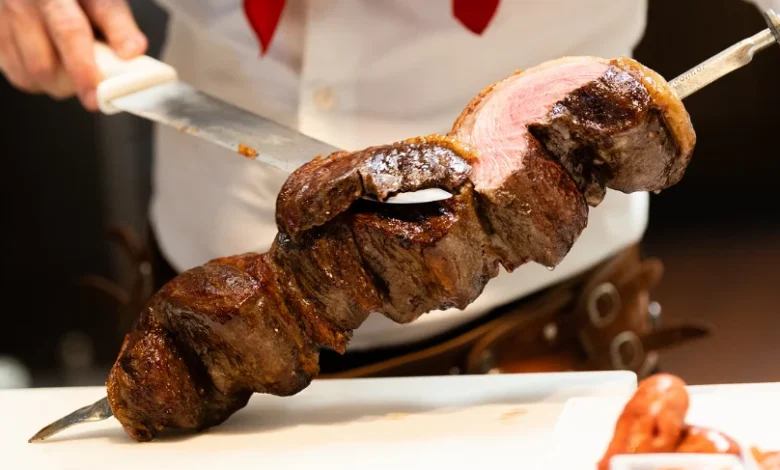
One of the most defining features of a Brazilian steakhouse is the rodizio service model. In this system, diners remain seated while servers move around the restaurant carrying skewers of freshly cooked meat. Each guest is served directly at the table, and different cuts are offered continuously throughout the meal. This system creates a smooth and uninterrupted dining flow. Guests are not required to place repeated orders, as food is brought directly to them in cycles. A simple card system is often used, where one side signals to continue serving and the other indicates a pause. This gives diners full control over their experience while maintaining the steady flow of service that defines the concept. The rodizio style is one of the main reasons the Brazilian steakhouse experience feels so unique and engaging compared to traditional dining formats.
Variety and Flavor of Meats
The highlight of this dining style is the wide variety of meats offered. A typical Brazilian steakhouse serves beef, lamb, pork, and chicken, all prepared with attention to detail and flavor. Among the most popular cuts is picanha, a tender and flavorful beef cut that is often considered the signature of this dining style. The seasoning is kept simple, usually limited to coarse salt, allowing the natural taste of the meat to shine. This minimalist approach ensures that the quality of the meat remains the focus rather than heavy sauces or spices. The grilling process over open flames gives the meat a smoky aroma and a perfectly crisp exterior while keeping it juicy inside. Each cut is prepared and served at the ideal temperature, ensuring that guests experience freshness in every bite. This attention to detail is what makes the brazilian steakhouse concept so highly regarded among meat lovers.
Salad Bar and Complementary Dishes
Although meat is the central attraction, a brazilian steakhouse also offers a wide selection of side dishes and salads. These include fresh vegetables, cheeses, rice, pasta, and various traditional accompaniments. The purpose of these sides is to balance the richness of the meats and provide variety throughout the meal. The salad bar is not just an accessory; it is an essential part of the dining experience. It allows guests to create a balanced plate and enjoy different flavors alongside the grilled meats. The freshness and variety of these options ensure that the meal remains enjoyable even over a long dining session. This combination of heavy and light dishes reflects the thoughtful design behind the Brazilian steakhouse experience.
Atmosphere and Dining Environment
The environment in a brazilian steakhouse is designed to enhance comfort and enjoyment. The interiors are often warm, elegant, and inviting, with soft lighting and spacious seating arrangements. The goal is to create a relaxing atmosphere where guests can enjoy a long and uninterrupted meal. Unlike fast-paced restaurants, this style of dining encourages guests to slow down and spend time enjoying their food and company. The constant movement of servers, the sound of grilling meats, and the lively yet calm ambiance all contribute to a unique dining rhythm. This atmosphere makes the brazilian steakhouse suitable for both casual dining and special occasions.
Service and Hospitality Experience
Service plays a crucial role in defining this dining concept. Staff members are trained to serve meats with precision and timing, ensuring that each guest receives their preferred cuts at the right moment. The interaction between servers and guests is continuous and friendly, adding a personal touch to the experience. This high level of service creates a sense of hospitality that goes beyond traditional dining. Guests feel attended to without needing to repeatedly order or wait. The seamless coordination between kitchen and service staff is what keeps the experience smooth and enjoyable. A Brazilian steakhouse relies heavily on this quality of service to maintain its reputation and appeal.
Social and Group Dining Experience
One of the strongest aspects of this dining style is its suitability for groups. Whether it is family gatherings, celebrations, or business meetings, the brazilian steakhouse offers a shared dining experience that encourages interaction and connection. Because food is served continuously and directly at the table, everyone gets to try a variety of meats without the need for complex ordering. This makes group dining simple and enjoyable. The shared experience of tasting different cuts and discussing flavors adds to the overall enjoyment. The social nature of this dining style is one of the main reasons for its global popularity.
Global Influence and Modern Adaptations
As the concept spread internationally, it began to adapt to different cultures and tastes while maintaining its core identity. Many modern restaurants now include local side dishes, updated interiors, and digital reservation systems to enhance convenience. Despite these changes, the essential experience remains the same: continuous service of grilled meats in a shared dining environment. This consistency is what has helped the Brazilian steakhouse maintain its identity across different countries and cultures. Its ability to adapt while staying true to tradition is a key reason for its ongoing success.
Culinary Skill and Cooking Technique
Behind the experience is a high level of culinary skill. Grill chefs must carefully monitor cooking times, temperature, and seasoning to ensure consistency. Each cut of meat is handled with precision to achieve the perfect balance of tenderness and flavor. The use of open flame grilling enhances the natural taste of the meat, giving it a smoky aroma and rich texture. This technique requires experience and attention to detail, making it a respected form of culinary craftsmanship. The quality of preparation is a major factor in the success of any Brazilian steakhouse.
Sensory Dining Experience
A Brazilian steakhouse engages all the senses. The visual presentation of skewers being carved at the table, the aroma of grilled meat, the sound of sizzling cuts, and the taste of freshly served portions all combine to create a multi-sensory experience. This sensory engagement makes the dining experience more memorable and enjoyable. It transforms a simple meal into a full event that stimulates both appetite and emotion.
Conclusion
The Brazilian steakhouse represents more than just a dining style; it represents a cultural tradition built on sharing, hospitality, and quality. From its origins in rustic countryside cooking to its modern global presence, it has remained true to its core values while evolving with time. Its combination of continuous service, variety of meats, social atmosphere, and strong culinary craftsmanship makes it one of the most distinctive dining experiences in the world. Whether for celebration or casual dining, it continues to attract people who value both flavor and experience in their meals.