Full-Service General Contractor Solutions for Residential and Commercial Construction Projects

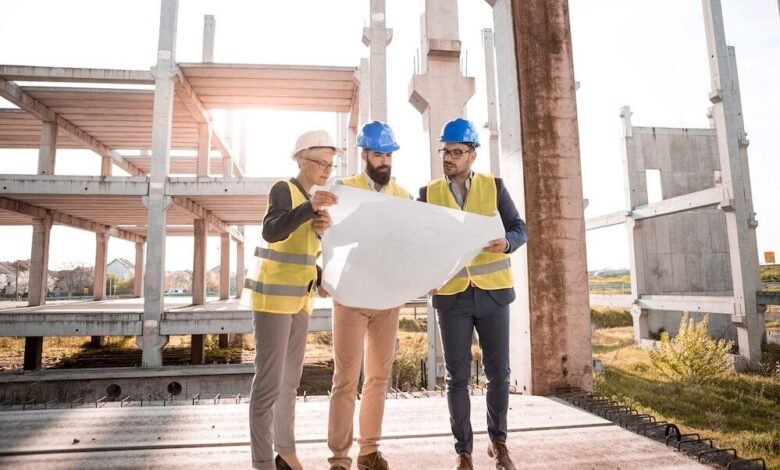
Construction projects today are far more complex than they used to be, involving multiple skilled trades, strict timelines, detailed planning, safety regulations, and precise coordination between different teams. Whether it is a residential home, commercial building, renovation project, or large-scale development, successful execution depends on effective management from start to finish. This is where the role of a general contractor becomes essential, as they act as the central authority responsible for organizing, supervising, and delivering construction projects in a structured and efficient manner.
A general contractor is not just a builder but a project manager, coordinator, and problem solver who ensures that every phase of construction is completed according to plan. From hiring subcontractors to managing budgets, securing permits, and overseeing quality control, their responsibilities cover almost every aspect of a construction project. Without proper coordination, construction projects can quickly become disorganized, delayed, and costly. Therefore, understanding the importance of a general contractor is crucial for anyone planning to build or renovate a property.
The Core Responsibilities of a General Contractor
The primary responsibility of a general contractor is to manage the entire construction process from beginning to end. This includes planning, scheduling, resource allocation, supervision, and final project delivery. They act as the main point of communication between the property owner, architects, engineers, suppliers, and subcontractors.
One of their key roles is hiring and managing subcontractors. Construction projects require multiple specialized trades such as plumbing, electrical work, masonry, roofing, painting, and carpentry. A general contractor selects qualified professionals for each task and ensures that all teams work together efficiently without conflicts or delays.
They are also responsible for project scheduling, ensuring that each phase of construction is completed in the correct order. For example, foundation work must be completed before framing begins, and electrical installations must be done before wall finishing. Proper sequencing is essential to avoid rework and unnecessary costs.
Budget management is another critical responsibility. A general contractor prepares cost estimates, tracks expenses, and ensures that the project stays within financial limits. They also manage material procurement, negotiate prices with suppliers, and prevent wasteful spending throughout the construction process.
Importance of Planning and Project Coordination
Successful construction begins with detailed planning. Before any physical work starts, a general contractor reviews architectural designs, engineering plans, site conditions, and project requirements. This helps identify potential challenges and ensures that all aspects of the project are feasible.
Coordination is one of the most important aspects of construction management. Since multiple teams work simultaneously on different tasks, coordination ensures that their activities do not interfere with each other. For example, electrical wiring must be installed before drywall is completed, and plumbing systems must be positioned before flooring is laid.
Without proper coordination, construction sites can become chaotic, leading to delays, errors, and increased costs. A skilled general contractor ensures smooth workflow by maintaining communication between all parties and resolving issues quickly as they arise.They also handle scheduling conflicts, material shortages, and unexpected site conditions. Their ability to adapt and reorganize plans is essential for keeping projects on track.
Role of a General Contractor in Residential Construction
In residential construction, a general contractor plays a central role in turning architectural plans into a livable home. Homeowners often rely on them to manage the entire building process because most individuals do not have the technical knowledge or time to supervise construction work directly.
From laying the foundation to installing roofing systems and finishing interiors, the general contractor ensures that each stage is completed according to design specifications. They also help homeowners choose materials, finishes, and design options that match both budget and style preferences.
Renovation projects also require careful management because existing structures may present hidden challenges such as outdated wiring, plumbing issues, or structural weaknesses. A general contractor assesses these conditions and develops solutions that ensure safety and compliance with building standards.Their role becomes even more important in custom home projects where unique designs require precise execution and coordination between multiple specialized trades.
Role of a General Contractor in Commercial Projects
Commercial construction projects are typically larger and more complex than residential projects. They involve stricter regulations, higher budgets, and tighter deadlines. A general contractor in commercial construction must manage large teams, coordinate multiple subcontractors, and ensure compliance with local building codes and safety standards.
These projects may include office buildings, retail spaces, warehouses, hotels, and industrial facilities. Each type of structure has unique requirements, and the contractor must adapt planning and execution strategies accordingly.
In commercial settings, time management is extremely important because delays can lead to financial losses for businesses. A general contractor ensures that deadlines are met while maintaining quality and safety standards.They also handle inspections, permits, and regulatory approvals, which are essential for legal compliance and project completion.
Construction Safety and Quality Control
Safety is a top priority in any construction project. A general contractor is responsible for ensuring that all workers follow safety guidelines and use proper protective equipment. Construction sites can be hazardous due to heavy machinery, elevated structures, electrical systems, and ongoing material movement.
Regular safety inspections are conducted to identify potential risks and prevent accidents. Proper training and supervision are also essential to maintain a safe working environment.
Quality control is equally important. A general contractor ensures that all work meets industry standards and project specifications. This includes inspecting materials, verifying workmanship, and ensuring that installations are completed correctly.Poor quality construction can lead to long-term issues such as structural damage, leaks, and system failures. Therefore, maintaining high standards throughout the construction process is essential for durability and safety.
Communication and Client Management
Effective communication is one of the most important skills for a general contractor. They serve as the main point of contact between clients and construction teams. Clear communication ensures that client expectations are understood and properly implemented.
Regular updates are provided to clients regarding project progress, budget status, and timeline adjustments. This transparency helps build trust and prevents misunderstandings.
A skilled general contractor also manages client feedback and incorporates changes when necessary. However, they must balance client requests with technical feasibility and budget constraints to ensure successful project completion.Modern construction has evolved significantly with the introduction of new technologies and digital tools. General contractors now use project management software, 3D modeling, and digital blueprints to improve accuracy and efficiency.
These tools allow better planning, real-time progress tracking, and improved communication between teams. Drones are also used for site inspections, while advanced machinery improves construction speed and precision.
Sustainable construction practices have also become increasingly important. Many general contractors now focus on energy-efficient designs, eco-friendly materials, and waste reduction strategies. These practices not only benefit the environment but also reduce long-term operational costs for property owners.
Challenges Faced by General Contractors
Despite their expertise, general contractors often face several challenges during construction projects. Unexpected weather conditions, supply chain delays, labor shortages, and design changes can all impact project timelines and budgets.
Managing multiple subcontractors can also be challenging, especially when coordination issues arise. Additionally, maintaining compliance with building codes and regulations requires constant attention and updates.Problem-solving and adaptability are essential skills for overcoming these challenges. A successful general contractor must be able to make quick decisions while maintaining project quality and efficiency.
One of the most critical responsibilities of a general contractor is financial management. Construction projects involve significant investments, and controlling costs is essential for project success.
Contractors prepare detailed estimates before construction begins and monitor expenses throughout the project. They also manage payments to subcontractors, suppliers, and labor teams.Unexpected costs may arise due to design changes or unforeseen site conditions. A skilled general contractor plans contingencies to handle such situations without disrupting the overall budget.
Proper financial management ensures that the project remains profitable and avoids unnecessary financial strain on the property owner.Hiring a professional general contractor provides numerous advantages for both residential and commercial projects. Their expertise ensures that construction is completed efficiently, safely, and according to plan.
Conclusion: Why General Contractors Are Essential in Modern Construction
Ultimately, the role of a general contractor is essential for transforming architectural ideas into functional, safe, and durable structures that meet the needs of clients and communities alike.
In today’s construction industry, projects require careful planning, coordination, and execution to achieve successful results. A general contractor plays a central role in managing these complex processes, ensuring that every phase of construction is completed efficiently and to a high standard.
From budgeting and scheduling to safety management and quality control, their responsibilities cover every aspect of building development. Without their expertise, construction projects would face significant challenges in terms of cost, time, and quality.
They save time by coordinating all aspects of the project, reducing the burden on property owners. Their industry knowledge also helps avoid costly mistakes and ensures compliance with legal and safety standards.Most importantly, a general contractor provides peace of mind by managing every detail of the construction process, allowing clients to focus on their goals without worrying about day-to-day site management.