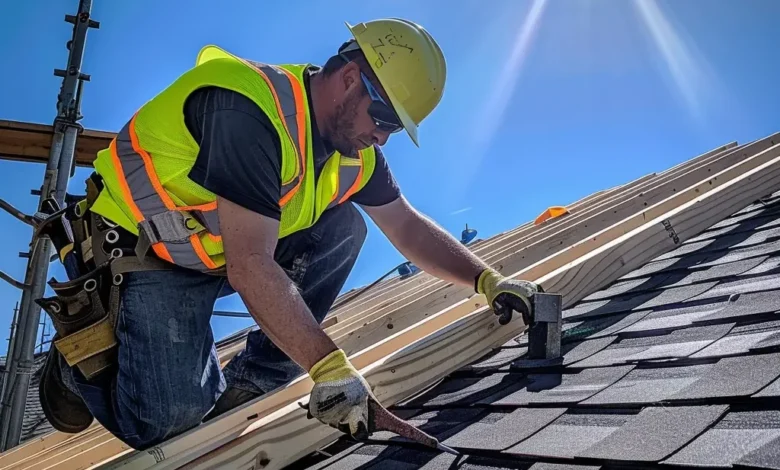
A roof is one of the most important components of any property, yet it is often overlooked until visible problems begin to appear. Many homeowners focus on interior improvements, landscaping, or cosmetic upgrades while neglecting the structure that protects everything underneath. Over time, weather exposure, aging materials, poor maintenance, and unexpected damage can significantly reduce the effectiveness of a roofing system. While minor issues can sometimes be repaired, there comes a point when repairs are no longer practical or cost-effective. At that stage, investing in a complete roofing upgrade becomes a smart decision that enhances safety, efficiency, property value, and long-term peace of mind.
Understanding when a roof has reached the end of its service life is crucial for avoiding expensive structural problems. Water intrusion, mold growth, insulation damage, and weakened support structures often begin with roofing issues that go unnoticed for extended periods. Property owners who recognize the warning signs early can make informed decisions that prevent larger complications in the future. A well-planned roof replacement project not only restores protection but also contributes to the overall performance and appearance of the building.
Understanding the Lifespan of Roofing Systems
Every roofing material has an expected lifespan, although actual performance can vary depending on environmental conditions, installation quality, and maintenance practices. Asphalt shingles, metal panels, clay tiles, slate, and synthetic roofing materials all age differently. Some systems may remain effective for decades, while others require more frequent attention and eventual replacement.
Exposure to sunlight, heavy rainfall, strong winds, temperature fluctuations, and moisture can gradually deteriorate roofing materials. Even the highest-quality roofs experience wear over time. Small cracks, missing shingles, weakened flashing, and deteriorated sealants may seem insignificant initially, but they can allow water to penetrate underlying layers. Once moisture reaches the roof deck or insulation, the damage can spread rapidly throughout the structure.
Routine inspections help identify these issues before they become severe. However, when multiple areas show signs of deterioration simultaneously, ongoing repairs may become increasingly expensive. In such cases, replacing the entire system often proves to be the most economical long-term solution. Rather than continuously addressing isolated problems, homeowners can benefit from a comprehensive upgrade that restores full functionality and reliability.
Common Signs That Indicate a Roof Needs Attention
Many roofing problems develop gradually, making them difficult to detect without careful observation. One of the most common warning signs is recurring leaks. If water stains repeatedly appear on ceilings or walls despite multiple repair attempts, the underlying roofing system may be compromised beyond simple fixes.
Another indicator is visible damage on the roof surface. Curling shingles, cracked tiles, rusted metal sections, and excessive granule loss often suggest that roofing materials are nearing the end of their useful life. Sagging sections should never be ignored, as they may indicate structural weakness caused by moisture infiltration or prolonged deterioration.
Homeowners may also notice increased energy bills. A damaged roof can affect insulation performance and ventilation efficiency, forcing heating and cooling systems to work harder throughout the year. Poor energy efficiency often accompanies aging roofing systems and can signal the need for more substantial improvements.
Mold growth, mildew, and persistent moisture in attic spaces can further indicate roofing problems. These conditions not only damage building materials but can also impact indoor air quality. Addressing the root cause promptly is essential for maintaining a healthy living environment.
Why Delaying Necessary Roofing Work Can Be Costly
Postponing roofing upgrades often leads to significantly higher expenses over time. A minor leak may seem manageable initially, but water can travel through hidden pathways and affect insulation, drywall, electrical systems, and wooden framing. The longer moisture remains trapped within structural components, the greater the potential for extensive damage.
In many cases, homeowners continue paying for repeated repairs without realizing that the cumulative cost is approaching the price of a complete upgrade. Additionally, emergency repairs often occur during severe weather conditions when contractor availability may be limited and costs may increase.
Delaying action can also reduce property value. Prospective buyers frequently consider roof condition during the purchasing process. An aging or visibly damaged roof can create concerns about future expenses, potentially affecting negotiations and sale prices. Investing in a modern roofing system before problems escalate can protect both the property and its market appeal.
The Financial Benefits of Installing a New Roof
Although replacing a roof requires a substantial upfront investment, the long-term financial benefits can be significant. Modern roofing materials are designed to provide improved durability, weather resistance, and energy efficiency. These advantages can result in lower maintenance costs and reduced utility expenses over many years.
Energy-efficient roofing systems help regulate indoor temperatures by reflecting solar heat and improving insulation performance. As a result, homeowners may experience reduced heating and cooling costs throughout the year. This increased efficiency can contribute to noticeable savings over the lifespan of the roof.
A new roof can also increase property value. Buyers often view a recently upgraded roofing system as a major advantage because it reduces the likelihood of immediate maintenance expenses. In competitive real estate markets, a well-maintained exterior can enhance curb appeal and attract greater buyer interest.For many property owners, a professionally completed roof replacement represents not only a structural improvement but also a strategic financial investment that delivers long-term returns.
Choosing the Right Roofing Material
Selecting the appropriate roofing material is one of the most important decisions during a roofing project. Each material offers unique advantages related to appearance, durability, maintenance requirements, and cost.
Asphalt shingles remain among the most popular choices because they provide affordability, versatility, and relatively simple installation. They are available in a wide range of colors and styles, allowing homeowners to complement different architectural designs.Metal roofing has gained popularity due to its exceptional longevity and energy efficiency. Modern metal systems can withstand harsh weather conditions while requiring minimal maintenance. They are also available in various profiles that mimic traditional roofing materials.
Clay and concrete tiles offer distinctive visual appeal and excellent durability. These materials perform particularly well in environments where resistance to heat and weathering is important. However, their weight may require additional structural support.Slate roofing is often considered a premium option because of its natural beauty and remarkable lifespan. While initial costs are higher, slate can provide decades of reliable performance when properly installed and maintained.
Synthetic roofing products continue to evolve as manufacturers develop advanced materials that combine durability, lightweight construction, and aesthetic versatility. These options often replicate the appearance of traditional materials while offering enhanced performance characteristics.
The Importance of Professional Installation
Even the highest-quality roofing materials can fail prematurely if installation standards are not followed correctly. Proper installation ensures that all components work together effectively to provide long-lasting protection against environmental conditions.
Professional roofing contractors possess the expertise needed to evaluate structural conditions, recommend suitable materials, and implement proven installation techniques. They understand how to address ventilation requirements, flashing details, moisture barriers, and drainage systems that contribute to overall roof performance.
A professionally installed roof reduces the likelihood of future problems and helps maximize the lifespan of the investment. Many manufacturers also require certified installation practices to maintain warranty coverage. Choosing experienced professionals can therefore provide both immediate quality assurance and long-term protection.
How Modern Roofing Technology Has Improved Performance
Advancements in roofing technology have transformed the industry significantly over recent decades. Today’s materials offer improved resistance to wind, impact, moisture, and ultraviolet radiation compared to many older products.
Enhanced underlayment systems provide additional moisture protection beneath the visible roofing surface. Improved ventilation technologies help regulate attic temperatures and reduce the risk of condensation-related issues. Reflective roofing products contribute to energy efficiency by minimizing heat absorption during warmer months.
Manufacturers continue investing in research and development to create products that combine durability with environmental sustainability. Many modern roofing materials incorporate recycled content and can themselves be recycled at the end of their service life. These innovations allow homeowners to achieve both performance and environmental objectives through thoughtful material selection.
Maintenance Practices That Extend Roof Life
Although every roof will eventually require replacement, regular maintenance can significantly extend its useful lifespan. Routine inspections allow property owners to identify minor issues before they develop into major concerns.
Keeping gutters clean and ensuring proper drainage prevents water accumulation that could damage roofing components. Removing debris from roof surfaces reduces moisture retention and minimizes the risk of deterioration. Trimming overhanging tree branches can help prevent physical damage during storms and reduce debris buildup.
Professional inspections conducted periodically can uncover hidden problems that may not be visible from ground level. Addressing these concerns promptly often helps preserve the integrity of the roofing system and delay the need for major repairs or replacement.Nevertheless, maintenance has its limits. When aging materials begin to fail across multiple areas, investing in a complete roof replacement may provide greater value than continuing temporary repairs.
Environmental Considerations and Sustainability
Sustainability has become an increasingly important factor in construction and home improvement decisions. Roofing projects present an opportunity to improve environmental performance while enhancing building protection.
Energy-efficient roofing materials can reduce overall energy consumption by improving thermal performance. Reflective surfaces help decrease cooling demands, particularly during periods of intense sunlight. Better insulation and ventilation further contribute to reduced energy use and lower utility costs.
Many manufacturers now offer recyclable roofing products and environmentally responsible production processes. Additionally, some roofing systems are designed to accommodate solar panel installations, allowing homeowners to integrate renewable energy solutions more effectively.Choosing sustainable roofing options can support environmental goals while delivering practical benefits related to efficiency, durability, and long-term cost savings.
Planning for a Successful Roofing Project
A successful roofing project begins with careful planning and realistic expectations. Property owners should start by obtaining a thorough assessment of the existing roof condition. Understanding the extent of damage and the remaining lifespan of current materials helps guide decision-making.
Budget planning is equally important. While cost considerations should not be ignored, focusing solely on the lowest price can sometimes result in lower-quality materials or installation practices. Evaluating long-term value, warranty coverage, material durability, and contractor reputation often leads to better outcomes.Communication throughout the project is essential. Clear expectations regarding timelines, materials, cleanup procedures, and warranty details help ensure a smooth experience from start to finish. Taking the time to research options and ask informed questions can significantly improve overall satisfaction with the final result.
Conclusion
A roof replacement serves as the first line of defense against environmental elements, making its condition critical to the safety, efficiency, and value of any property. While repairs can address isolated issues, there comes a stage when continuing temporary fixes is no longer practical. Recognizing the signs of aging, understanding the benefits of modern materials, and investing in professional installation can help homeowners make informed decisions that protect their properties for years to come.
Whether motivated by structural concerns, energy efficiency improvements, or long-term financial considerations, a carefully planned roof replacement project can provide substantial benefits. By approaching the process strategically and prioritizing quality over short-term savings, property owners can enjoy enhanced protection, improved performance, and greater peace of mind knowing their investment is built to last.