A building is only as strong as the system that protects it from above. While foundations support the structure from below, the roof shields everything inside from rain, wind, heat, and environmental stress. Despite its importance, the roof is often overlooked until visible problems appear. In reality, it is one of the most complex and essential parts of any property, requiring careful design, skilled installation, and ongoing maintenance. Behind every durable and well-constructed roof is a trained professional known as a roofer, whose expertise ensures that buildings remain safe, efficient, and structurally sound over time.
Modern roofing is far more advanced than simple layers of protective material. It involves engineered systems designed to manage water flow, regulate temperature, and withstand extreme weather conditions. Because of this complexity, roofing work demands technical knowledge, precision, and hands-on experience. A properly built roof not only protects the structure but also contributes to energy efficiency, comfort, and long-term property value.
The Essential Role of a Roofing Professional
A roof serves multiple critical functions simultaneously. It protects against rainfall, prevents heat loss or gain, supports insulation, and contributes to the overall structural stability of a building. Achieving all of this requires more than just placing materials on top of a structure—it requires careful planning and execution.
A professional roofer is responsible for inspecting, installing, repairing, and maintaining roofing systems. Their work begins long before materials are installed, often with a detailed assessment of the structure, environmental conditions, and material requirements. They evaluate slope, drainage, ventilation, and structural integrity to ensure that the roofing system will perform effectively over time.
In addition to technical knowledge, roofers must also understand safety protocols, building codes, and material behavior under different environmental conditions. Their role is essential in preventing leaks, structural damage, and costly repairs that can arise from improper installation or neglect.
Understanding Roofing Systems and Their Structure
A roofing system is made up of multiple layers, each serving a specific purpose. These layers work together to create a barrier against external elements while maintaining internal comfort.
The outermost layer is the protective surface, which may consist of shingles, metal panels, tiles, or membrane systems depending on the building type. Beneath this layer lies the underlayment, which acts as an additional moisture barrier. Below that is the roof deck, which provides structural support and anchors the entire system.
Ventilation systems are also a crucial component. Proper airflow prevents moisture buildup, reduces heat accumulation, and extends the lifespan of roofing materials. Drainage systems such as gutters and downspouts help direct water away from the structure, preventing pooling and water damage.A skilled roofer understands how each of these components interacts and ensures that they function together as a unified system rather than independent parts.
Common Roofing Problems and Their Causes
Roofs are constantly exposed to environmental stress, making them vulnerable to wear and damage over time. One of the most common issues is water leakage, which often begins as small, unnoticed entry points around flashing, joints, or damaged materials. Over time, these small leaks can lead to significant structural deterioration.
Weather conditions such as heavy rain, strong winds, hail, and prolonged sun exposure can also degrade roofing materials. Shingles may crack, lift, or lose protective granules, while metal surfaces may corrode if not properly maintained.
Poor installation is another major cause of roofing failure. Incorrect alignment, inadequate fastening, or improper sealing can shorten the lifespan of a roof significantly. In some cases, issues may not appear immediately but develop gradually over time.A professional roofer plays a key role in identifying these problems early through inspection and preventive maintenance, helping avoid costly repairs in the future.
Roof Installation and Construction Process
Roof construction is a structured process that requires careful coordination and precision. It begins with preparing the roof deck, ensuring that the surface is clean, stable, and free from damage. Any structural weaknesses must be addressed before installation begins.Next, underlayment materials are installed to provide a secondary layer of protection against moisture. This step is essential for preventing leaks and extending the lifespan of the roofing system.
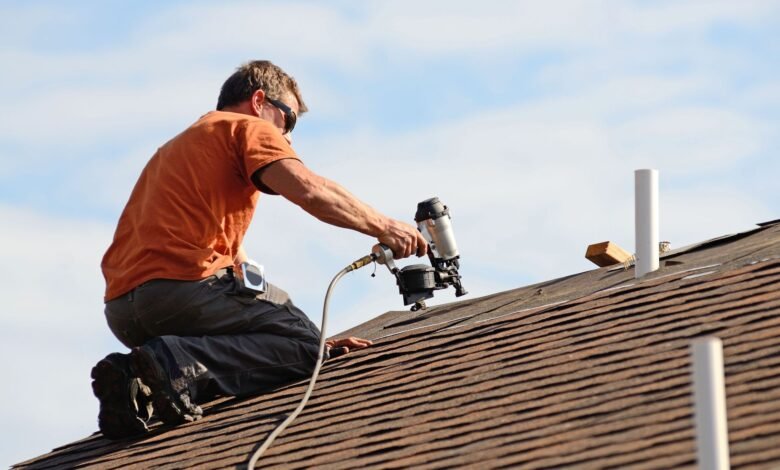
The primary roofing material is then installed in overlapping sections to ensure complete coverage and water resistance. Depending on the material used, this may involve nailing shingles, fastening metal panels, or sealing membrane sheets using specialized techniques.
Flashing is installed around vulnerable areas such as chimneys, vents, and edges to prevent water infiltration. Finally, gutters and drainage systems are attached to ensure proper water flow away from the structure.Throughout this process, a roofer ensures that every detail is executed correctly to achieve long-term durability and performance.
Roof Repair and Maintenance Practices
Even the most well-built roof requires maintenance over time. Regular inspections help identify early signs of damage before they develop into serious issues. Common maintenance tasks include checking for loose or missing materials, cleaning debris, and ensuring proper drainage.
Minor repairs may involve replacing damaged shingles, resealing joints, or fixing small leaks. More extensive repairs may be required in cases of structural damage or long-term neglect.Preventive maintenance is one of the most effective ways to extend the lifespan of a roof. By addressing small issues early, property owners can avoid major repair costs and preserve structural integrity.A skilled roofer provides valuable guidance on maintenance schedules and helps ensure that roofing systems remain in optimal condition throughout their lifespan.
Roofing materials vary widely in terms of durability, cost, appearance, and performance. Asphalt shingles are commonly used due to their affordability and versatility, while metal roofing offers long-term durability and energy efficiency. Tile and slate options provide premium aesthetics and extended lifespan but require stronger structural support.
Each material has unique advantages and limitations. Climate conditions, building design, and budget all play important roles in determining the best choice.A professional roofer evaluates these factors and recommends materials that balance performance and cost-effectiveness. Proper material selection is critical to ensuring that the roof performs well under local environmental conditions.
Energy Efficiency and Roofing Performance
Modern roofing systems contribute significantly to energy efficiency. A well-designed roof helps regulate indoor temperature by reducing heat absorption in summer and minimizing heat loss in winter.
Reflective roofing materials can reduce cooling costs by deflecting sunlight, while proper insulation helps maintain stable indoor temperatures. Ventilation systems also play a key role in preventing heat buildup and moisture accumulation.Energy-efficient roofing not only reduces utility costs but also improves indoor comfort. A knowledgeable roofer ensures that all components work together to achieve optimal energy performance.
Roofing is a physically demanding and potentially dangerous job that requires strict safety measures. Working at heights, handling heavy materials, and using specialized tools all present risks that must be managed carefully.
Professional roofers follow safety protocols such as fall protection systems, secure scaffolding, and proper equipment handling. Compliance with building codes and industry regulations is also essential to ensure quality and safety.Hiring a qualified roofer ensures that all work is completed according to professional standards, reducing risks for both workers and property owners.
The Importance of Timely Roof Replacement
Every roof eventually reaches the end of its service life. Signs that replacement may be necessary include frequent leaks, widespread material deterioration, sagging sections, and recurring repair needs.
Delaying replacement can lead to more severe structural damage and higher long-term costs. A professional roofer can assess the condition of a roof and determine whether repair or full replacement is the most practical solution.
Modern roofing materials offer improved durability, energy efficiency, and weather resistance, making replacement a valuable investment for long-term property protection.Sustainability has become an important consideration in modern construction. Many roofing materials are now designed to be more environmentally friendly, using recyclable components and energy-efficient production methods.
Cool roofing systems, for example, are designed to reflect more sunlight and absorb less heat, reducing energy consumption in buildings. Green roofing systems incorporate vegetation to improve insulation and reduce environmental impact.
Conclusion: Building Protection Through Expert Craftsmanship
A modern roofer often incorporates sustainable practices into installation and maintenance, helping reduce environmental footprint while improving building performance.
A roof is one of the most important elements of any structure, providing protection, comfort, and long-term value. Its performance depends on quality materials, proper installation, and regular maintenance. Behind all of these elements is the expertise of a skilled professional who ensures that every detail is executed correctly.
From installation and repair to inspection and replacement, a roofer plays a vital role in maintaining the safety and durability of buildings. Their knowledge and craftsmanship help prevent damage, improve energy efficiency, and extend the life of roofing systems.
Ultimately, investing in professional roofing services is an investment in the long-term stability and protection of a property. A well-built roof is not just a structure, it is a shield that preserves everything beneath it for years to come.