Water Heater Installation Services: Professional Setup for Gas, Electric, and Tankless Systems

Hot water is one of the most essential utilities in any home, supporting daily activities such as bathing, cooking, cleaning, and laundry. While many homeowners rarely think about their water heating system until a problem occurs, the performance and efficiency of the unit can significantly impact comfort, energy consumption, and household expenses. A properly installed water heater provides consistent hot water, improves efficiency, and helps prevent costly issues that may arise from improper setup or aging equipment.
Modern water heating systems are available in a variety of designs, capacities, and energy sources, allowing homeowners to select solutions that best fit their household needs. However, choosing the right system is only part of the equation. Proper installation is equally important because even a high-quality unit may fail to perform efficiently if it is not installed correctly. Understanding the installation process, available options, and long-term maintenance considerations can help property owners make informed decisions that support comfort and reliability for years to come.
Understanding the Role of a Water Heater in Modern Homes
A water heater is responsible for heating and storing water or providing hot water on demand for household use. It serves multiple fixtures and appliances simultaneously, ensuring that hot water is available whenever needed. Whether used for showers, dishwashing, laundry, or general cleaning, a reliable water heating system is essential to maintaining everyday convenience.
Most homes rely on either storage tank water heaters or tankless systems. Traditional tank models store a predetermined volume of heated water, while tankless units heat water only when it is required. Both systems have advantages, and the best choice often depends on household size, usage patterns, and energy efficiency goals.
The effectiveness of a water heating system depends not only on the quality of the unit but also on how well it is integrated into the home’s plumbing, electrical, or gas infrastructure. Proper installation ensures optimal performance, safety, and longevity.
Types of Water Heaters Available Today
The water heating market offers several types of systems designed to meet different household requirements. Traditional storage tank water heaters remain among the most commonly used options. These systems maintain a reservoir of heated water, allowing immediate access when needed. They are available in various capacities to accommodate households of different sizes.
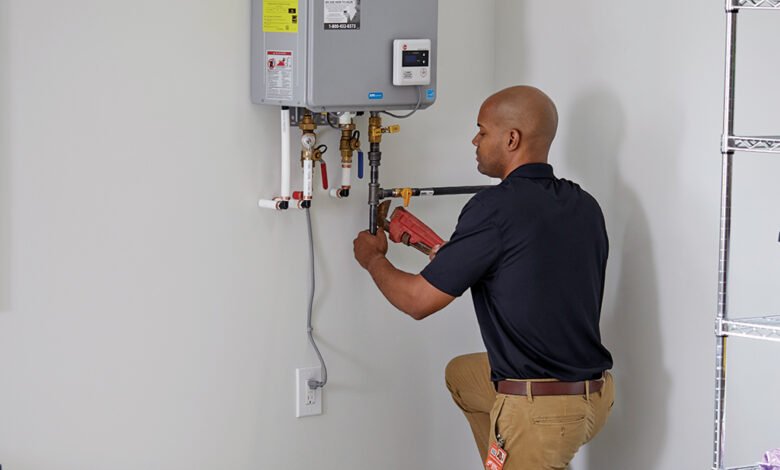
Tankless water heaters have gained popularity due to their energy efficiency and space-saving design. Instead of storing water, they heat it as it passes through the unit. This eliminates standby energy loss and provides a continuous supply of hot water when properly sized.
Heat pump water heaters represent another energy-efficient option. These systems use ambient air to transfer heat into the water rather than generating heat directly. Although they may have higher upfront costs, they often deliver significant long-term energy savings.
Solar-assisted water heaters utilize solar energy to preheat water, reducing dependence on traditional fuel sources. These systems are often combined with backup heating mechanisms to ensure reliable performance during periods of limited sunlight.
Each type offers unique benefits, and selecting the right one requires careful consideration of household demand, installation requirements, and operating costs.
Factors to Consider Before Installation
Before beginning a water heater installation project, several important factors must be evaluated. One of the most critical considerations is household hot water demand. Larger families typically require greater capacity or higher flow rates than smaller households.
Energy source availability is another important factor. Water heaters may operate using electricity, natural gas, propane, or renewable energy systems. The existing infrastructure within the home often influences which option is most practical.
Available space must also be considered. Traditional storage tank units require more installation space, while tankless systems can be mounted on walls and occupy significantly less room.
Efficiency ratings are increasingly important as homeowners seek to reduce utility costs. Modern high-efficiency systems may have higher initial costs but often provide substantial long-term savings through reduced energy consumption.Local building codes and safety regulations should also be reviewed before installation begins. Compliance ensures safe operation and prevents future legal or insurance-related complications.
Preparing for the Installation Process
Proper preparation is essential for a successful installation. The process typically begins with removing the existing unit if one is already installed. This step involves disconnecting water lines, electrical connections, or gas supply lines and safely draining any remaining water from the old system.
Once the old unit is removed, the installation area is inspected to ensure it is suitable for the new equipment. Plumbing connections, venting systems, electrical wiring, and gas lines may need modifications depending on the type and size of the replacement unit.The installation site should provide adequate clearance for maintenance access and ventilation. Proper placement helps improve efficiency and allows technicians to perform future inspections and servicing more easily.
Preparing the site carefully reduces installation complications and helps ensure that the new system operates correctly from the beginning.
The Water Heater Installation Process
The installation process varies depending on the type of system being installed, but several core steps are common across most projects. The first step involves positioning the unit securely within the designated installation area.Once the unit is in place, water supply lines are connected. Proper sealing and alignment are essential to prevent leaks and ensure efficient water flow. In some cases, new piping or fittings may be required to accommodate updated equipment specifications.
For electric water heaters, electrical connections are made according to manufacturer guidelines and local safety codes. Gas-powered systems require secure gas line connections and proper venting to ensure safe combustion and exhaust management.
Temperature and pressure relief valves are installed or verified to ensure safe operation. These components help prevent excessive pressure buildup within the system.
After all connections are completed, the unit is filled with water and tested for leaks. Operational testing verifies proper heating performance, thermostat functionality, and overall system integrity.A professional water heater installation ensures that each of these steps is completed correctly, reducing the likelihood of future performance issues or safety concerns.
Safety Considerations During Installation
Safety is one of the most important aspects of any water heater installation project. Improper installation can create risks ranging from water damage and electrical hazards to gas leaks and pressure-related failures.
Temperature and pressure relief valves must function properly to prevent dangerous pressure buildup. Venting systems for gas-powered units must also be installed correctly to ensure that combustion gases are safely expelled from the home.
Electrical connections should be performed according to code requirements to prevent fire hazards and equipment damage. Grounding and circuit protection measures are essential for safe operation.
Water supply connections must be properly sealed and tested to prevent leaks that could cause structural damage or mold growth over time.
Professional installation helps ensure that all safety requirements are met and that the system operates within manufacturer specifications.
Energy Efficiency Benefits of Modern Systems
One of the primary reasons homeowners upgrade their water heating systems is to improve energy efficiency. Modern units are designed with advanced insulation, smart controls, and improved heating technologies that reduce energy consumption.
Tankless systems eliminate standby heat loss, making them particularly efficient in households with moderate hot water usage. Heat pump water heaters use significantly less electricity than traditional electric resistance models, resulting in lower operating costs.
Improved thermostat controls allow homeowners to optimize temperature settings, reducing unnecessary energy use while maintaining comfort.An efficient water heater installation not only lowers utility bills but also reduces environmental impact by minimizing energy consumption and greenhouse gas emissions.
Common Challenges During Installation
Although many installations proceed smoothly, certain challenges can arise depending on the property’s infrastructure and equipment requirements. Older homes may require electrical upgrades or modifications to gas lines to support newer systems.
Space limitations can also present challenges, particularly when replacing large storage tank units with different system types. Ventilation requirements may necessitate adjustments to existing exhaust systems.
Water quality issues such as hard water can affect long-term performance and may require additional equipment such as water softeners to protect the new unit.Unexpected plumbing conditions or code compliance issues can also increase project complexity. Careful planning and professional assessment help address these challenges effectively.
Maintenance After Installation
Proper maintenance is essential for maximizing the lifespan and efficiency of a newly installed water heater. Regular inspections help identify minor issues before they develop into significant problems.Flushing the tank periodically removes sediment buildup that can reduce heating efficiency and strain internal components. This is especially important in areas with hard water.
Checking the anode rod helps prevent internal corrosion in storage tank systems. Replacing the rod when necessary can significantly extend the life of the unit.
Monitoring pressure relief valves, thermostats, and water connections also contributes to long-term reliability and safety.Routine maintenance protects the investment made in a water heater installation and helps ensure consistent performance for many years.
While a new water heating system requires an initial investment, proper installation often results in substantial long-term savings. Efficient systems consume less energy, reducing monthly utility costs and improving overall household efficiency.A correctly installed unit is also less likely to experience premature failures or require frequent repairs. This reduces maintenance expenses and minimizes disruptions to daily life.
Additionally, modern systems may increase property value by improving energy performance and enhancing overall home infrastructure.The financial benefits of a quality installation often outweigh the upfront costs over the lifespan of the equipment.
Conclusion
A reliable water heating system is essential for modern living, providing the comfort and convenience that households depend on every day. Selecting the right equipment is important, but proper installation is equally critical to ensuring efficiency, safety, and long-term performance.
From evaluating household needs and preparing the installation site to connecting utilities and conducting safety checks, every step contributes to the overall success of the project. Professional water heater installation helps ensure that the system operates as intended while minimizing risks and maximizing efficiency.
Ultimately, investing in a properly installed water heater provides lasting benefits, including improved comfort, lower energy costs, enhanced reliability, and greater peace of mind for homeowners.