Dieter Helm: British Economist, Climate Policy Thinker, and Oxford Academic Leader
A powerful journey of ideas shaping energy, environment, and modern economic policy

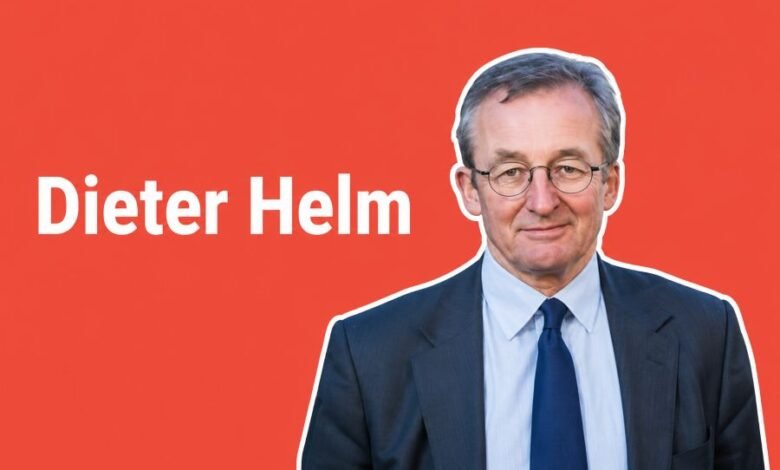
Table of Contents
ToggleIntroduction
Dieter Helm is a highly influential British economist known for reshaping debates on environmental policy, energy systems, and sustainable development. His work connects economics with real-world environmental challenges, making him one of the most respected academic voices in the United Kingdom.
As a British economist, Dieter Helm has built a strong reputation at the University of Oxford, where he has contributed to policy discussions that influence governments, regulators, and global energy transitions. His thinking is often seen as both practical and challenging, focusing on long-term economic sustainability over short-term political solutions.
Quick Bio
| Field | Details |
|---|---|
| Full Name | Dieter Robin Helm |
| Profession | British economist, Academic, Author |
| Famous For | Energy policy, climate economics, natural capital |
| Nationality | British |
| Date of Birth | 11 November 1956 |
| Birthplace | Essex, England |
| Education | Oxford University (BA, MPhil, DPhil) |
| Current Role | Professor of Economic Policy, Oxford |
| Key Focus | Environment, energy, sustainability |
Early Life and Family Background
Dieter Helm was born in Essex, England, into a rural environment that played a major role in shaping his worldview. Growing up on a family farm, he experienced early exposure to land use, agriculture, and environmental systems, which later influenced his academic direction.
His father, Fritz Helm, was originally from Germany and settled in the United Kingdom after the Second World War. This background gave Dieter Helm a unique cultural perspective, combining British upbringing with European heritage. These early experiences contributed to his interest in how societies manage natural resources and economic systems.
Education
Helm studied at the University of Oxford, where he completed his undergraduate degree in Philosophy, Politics, and Economics (PPE). This subject combination is known for producing influential policymakers and thinkers, and it laid the foundation for his career as a British economist.
He continued his academic journey at Oxford, completing both his MPhil and Doctor of Philosophy (DPhil) in Economics. During his studies, he developed a strong focus on economic theory, public policy, and regulatory systems, which later became central to his professional work.
Career Overview
Dieter Helm built his career as both an academic and policy advisor. He has spent most of his professional life at the University of Oxford, where he has served as Professor of Economic Policy. His work focuses on environmental economics, energy regulation, and sustainable development.
As a British economist, Helm has advised governments and institutions on how to design effective energy markets and environmental policies. He is also known for founding economic advisory organizations that contribute to regulatory and competition policy.
Career Timeline
- 1956: Born in Essex, England
- 1978: Completed BA at Oxford University
- 1981: Completed MPhil in Economics
- 1982: Founded Oxera economic consultancy
- 1984: Completed DPhil in Economics
- 1990: Became Professor of Energy Policy at Oxford
- 2007: Transitioned to Professor of Economic Policy
- 2012: Appointed Chair of Natural Capital Committee
- 2021: Received knighthood for services to environment and policy
- Present: Active academic and British economist at Oxford
Helm’s career timeline reflects steady growth from academic research to national and international policy influence. His journey highlights how a British economist can shape real-world environmental and economic decisions.
Contributions as a British Economist
Dieter Helm is widely recognized for introducing and promoting the concept of natural capital. This idea treats natural resources such as forests, water, and biodiversity as economic assets that must be measured and protected.
His work as a British economist has also focused on energy markets and climate policy. He argues that effective environmental policy must be economically realistic and grounded in long-term planning rather than short-term political targets.
Helm has consistently emphasized that energy systems must balance affordability, security, and sustainability. His contributions have influenced both academic thinking and government policy across the United Kingdom and Europe.
Books and Intellectual Work
Dieter Helm has written several influential books on economics, energy, and environmental policy. His writings are widely used in academic and policy discussions.
His major works explore topics such as climate change economics, fossil fuel transitions, and the future of sustainable economies. Through these publications, he presents complex ideas in a structured and practical way, making them accessible to policymakers and researchers.
As a British economist, his intellectual contributions have helped redefine how economic systems interact with environmental challenges, especially in the context of climate change and global energy transition.
Awards and Recognition
Helm has received significant recognition for his contributions to economics and public policy. He was appointed Commander of the Order of the British Empire (CBE) and later knighted for his services.
These honors reflect his long-standing influence as a British economist and his impact on environmental and energy policy. His work is widely respected in academic institutions and government advisory circles.
His recognition is not only based on academic achievements but also on his practical influence in shaping real-world policy frameworks.
Personal Life and Public Image
Dieter Helm maintains a largely private personal life, focusing public attention on his academic and professional work. He is known for his disciplined and analytical personality, often engaging in policy debates with a strong evidence-based approach.
As a British economist, his public image is associated with intellectual rigor and independent thinking. He is respected for challenging conventional approaches to environmental and energy policy.
Helm’s lifestyle reflects his academic commitment, and he is primarily recognized for his contributions to research, teaching, and policy advising rather than public celebrity culture.
Legacy and Impact
The legacy of Dieter Helm lies in his ability to bridge economics and environmental science. His work has influenced how governments think about sustainability, energy security, and natural resource management.
As a British economist, he has played a key role in shaping modern environmental economics. His concept of natural capital has become central to global sustainability discussions.
Helm’s impact continues through his academic work at Oxford, his published research, and his ongoing contributions to policy development. His ideas remain highly relevant in addressing global climate and energy challenges.
Conclusion
Dieter Helm stands as one of the most influential British economists of his generation. His work combines academic excellence with practical policy relevance, making him a key figure in environmental economics and energy policy.
Through decades of research and public service, he has helped reshape how economies understand sustainability. His contributions continue to guide policymakers, researchers, and institutions working toward a balanced and sustainable future.
FAQ
1. Who is Dieter Helm?
He is a British economist and Oxford professor known for environmental and energy policy research.
2. What is Dieter Helm famous for?
He is famous for natural capital theory and climate economics.
3. Where was he born?
He was born in Essex, England.
4. What is his profession?
He is a British economist, academic, and author.
5. What subjects does he specialize in?
He specializes in energy policy, environmental economics, and sustainability.
6. What is his educational background?
He studied PPE and Economics at the University of Oxford.
7. What makes him influential?
His ideas on natural capital and energy policy influence global decision-making.
8. Is he active in public policy?
He actively contributes as a British economist in advisory and academic roles.