A roof is one of the most valuable investments in any residential or commercial property. It protects the structure from weather, moisture, wind, heat, and other environmental factors while contributing to energy efficiency and overall property value. In Florida, where roofs are regularly exposed to intense sunlight, heavy rainfall, high humidity, and seasonal storms, maintaining a roof becomes even more important. Over time, these conditions can cause gradual wear that affects both the appearance and performance of the roofing system.
Many property owners assume that visible roof deterioration automatically means a full replacement is necessary. However, in many situations, professional roofing restoration can provide an effective alternative. Roofing restoration focuses on improving the condition of an existing roof, addressing areas of deterioration, strengthening vulnerable sections, and extending the roof’s service life. This process can deliver significant cost savings while helping homeowners and business owners continue protecting their properties without the expense of immediate replacement. Professional roofing contractors evaluate the condition of the roof and determine whether restoration is a practical solution based on the age, condition, and overall structural integrity of the system.
What Is Roofing Restoration?
Roofing restoration is a comprehensive process designed to renew and improve an existing roof without completely removing and replacing the entire system. Unlike simple repairs that focus on isolated damage, restoration addresses the overall condition of the roof to improve performance and longevity.
The restoration process often includes detailed inspections, cleaning, repairs, sealing vulnerable areas, reinforcing flashing and drainage components, and applying protective treatments when appropriate. The goal is to restore functionality, improve weather resistance, and maximize the lifespan of the existing roofing system.
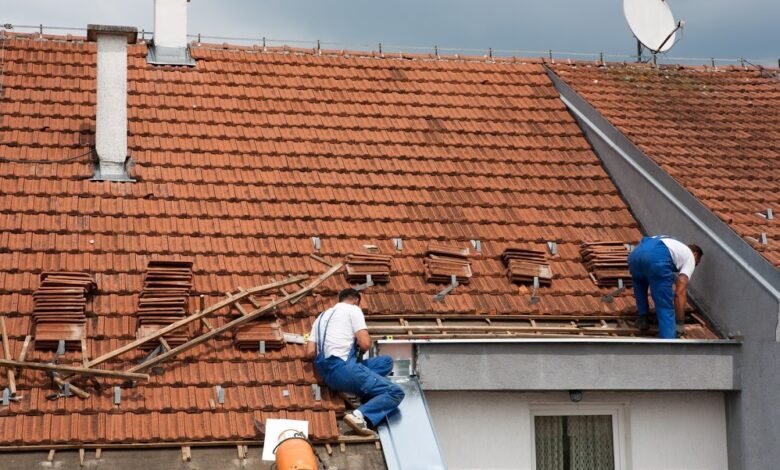
Many roofing materials can benefit from restoration, including shingle roofs, metal roofs, tile roofs, and certain flat roofing systems. Each roofing type requires specialized evaluation and restoration techniques to ensure long-term performance and durability. Professional roofing contractors help determine which approach best matches the condition and needs of the property.
Why Roof Restoration Is Important in Florida
Florida’s climate creates unique challenges for roofing systems. Prolonged exposure to ultraviolet radiation can weaken roofing materials, while frequent rainstorms and humidity can contribute to moisture-related issues. Strong winds and severe weather events can also place significant stress on roofing structures.
These environmental conditions often cause roofing materials to age more rapidly than in other regions. Small cracks, loose shingles, damaged flashing, and minor leaks can develop over time and gradually worsen if left unaddressed.
Roof restoration provides an opportunity to identify and correct these issues before they become major structural concerns. By addressing problems early, property owners can protect their homes and businesses while avoiding the higher costs associated with extensive damage or premature roof replacement. Professional restoration services are particularly valuable in regions where weather conditions create ongoing demands on roofing systems.
The Roofing Restoration Process
A successful roofing restoration project begins with a detailed inspection. Roofing professionals carefully examine the entire system to identify signs of wear, moisture intrusion, damaged materials, drainage concerns, and structural vulnerabilities.
Once the assessment is complete, the roof is cleaned to remove debris, dirt, algae, and other contaminants that may interfere with repairs or protective treatments. Cleaning also allows contractors to identify hidden issues that may not be visible beneath accumulated debris.
After cleaning, repairs are completed in areas where damage has occurred. This may involve replacing damaged shingles, repairing flashing, securing loose components, sealing leaks, or correcting drainage problems. For metal roofing systems, contractors may address corrosion and reinforce seams. Tile roofs may require replacement of cracked or broken tiles.
Once repairs are completed, additional protective measures may be applied to improve weather resistance and extend the roof’s lifespan. The exact restoration process varies depending on the roofing material and the condition of the system.
Advantages of Restoring Instead of Replacing
One of the primary reasons property owners consider roof restoration is cost savings. Full roof replacement involves extensive labor, material costs, disposal expenses, and installation work. Restoration often requires fewer materials and less labor because the existing roofing structure remains largely intact.
By preserving much of the current roof, restoration allows property owners to improve performance while controlling expenses. This makes it an attractive option for homeowners and commercial property managers who want to maximize the value of their investment.
Restoration also typically requires less time than a complete replacement project. This can reduce disruptions to daily activities and allow properties to remain operational throughout much of the process.
Another important advantage is the ability to address current issues while delaying the need for full replacement. In many cases, restoration can add years of service life to a roof that still has a solid structural foundation.
Improving Energy Efficiency
Energy efficiency is a growing concern for both homeowners and business owners. An aging roof with damaged materials or compromised insulation can contribute to heat transfer and increased energy consumption.
Roof restoration helps improve energy performance by correcting deficiencies that affect the building envelope. Properly restored roofing systems help regulate indoor temperatures more effectively, reducing strain on heating and cooling equipment.
For Florida properties, where cooling demands are often high throughout much of the year, improved roofing performance can contribute to lower energy costs and increased indoor comfort. Roofing systems that effectively resist heat gain help support more consistent indoor temperatures while reducing HVAC workloads.
Protecting Residential Properties
For homeowners, the roof serves as the primary defense against the elements. A compromised roofing system can expose the home’s interior to water intrusion, mold growth, insulation damage, and structural deterioration.
Roof restoration helps maintain the protective barrier that safeguards the home and everything inside it. By addressing minor issues before they escalate, homeowners can avoid extensive repairs that affect ceilings, walls, flooring, and personal belongings.
Residential roofing restoration also helps maintain curb appeal and preserve property value. A well-maintained roof contributes to the overall appearance of the home and can positively influence future resale opportunities.
Professional roofing contractors can recommend restoration solutions tailored to the specific roofing materials used on the property, whether shingle, metal, tile, or other systems.
Benefits for Commercial Properties
Commercial buildings often contain valuable equipment, inventory, technology, and business operations that depend on reliable roofing protection. Even minor leaks can disrupt productivity, damage assets, and create costly operational challenges.
Roof restoration provides commercial property owners with a proactive way to maintain roof performance while controlling long-term maintenance expenses. By addressing roofing concerns before they become emergencies, businesses can reduce the likelihood of costly downtime and unexpected repair costs.
Commercial roofing systems often require specialized expertise due to their size and complexity. Restoration services help preserve these systems while supporting business continuity and protecting valuable investments.
Supporting Storm Protection
Florida property owners understand the importance of preparing for severe weather. Roofing systems must be capable of withstanding strong winds, heavy rain, and storm-related impacts that can occur throughout hurricane season.
Roof restoration helps strengthen vulnerable areas and improve the roof’s ability to resist weather-related damage. Reinforcing flashing, securing roofing materials, addressing existing weaknesses, and improving drainage all contribute to better storm readiness.
A properly restored roof can provide greater peace of mind by helping reduce the risk of storm-related failures and water intrusion during severe weather events. Professional roofing contractors evaluate the roof’s condition and recommend improvements that support long-term protection.
Long-Term Financial Savings
The financial benefits of roof restoration extend beyond the initial project cost. By extending roof lifespan, reducing energy consumption, and minimizing repair needs, restoration can generate substantial long-term savings.
Property owners who address roofing concerns early often avoid the much larger expenses associated with extensive structural damage or emergency replacement projects. Restoration also allows maintenance budgets to be used more effectively by focusing on preventative improvements rather than reactive repairs.
In addition, a well-maintained roof can contribute to higher property values and improved marketability. Buyers and tenants often appreciate properties that demonstrate proactive maintenance and reliable roofing systems.
These combined benefits make roofing restoration a smart investment for many residential and commercial property owners seeking long-term value and protection.
When Restoration May Be the Right Choice
Not every roof requires immediate replacement. In many cases, roofs that show signs of aging still have a solid structural foundation and can benefit significantly from restoration.
Property owners should consider professional evaluations when they notice issues such as minor leaks, aging materials, damaged flashing, missing shingles, drainage concerns, or visible wear. Early intervention often provides the greatest opportunity for successful restoration and cost savings.
A qualified roofing contractor can determine whether restoration is appropriate or whether replacement is the better long-term solution. The recommendation will depend on the roof’s condition, age, material type, and overall structural integrity.
Conclusion
Professional roofing restoration offers an effective solution for extending roof lifespan, improving performance, and protecting residential and commercial properties. Through detailed inspections, targeted repairs, cleaning, and reinforcement, restoration helps renew aging roofing systems while avoiding the higher costs associated with full replacement.
For Florida property owners, where weather conditions place significant demands on roofing systems, restoration can provide valuable protection against moisture, heat, storms, and long-term wear. The process improves energy efficiency, supports structural integrity, enhances appearance, and delivers substantial long-term savings.
By working with experienced roofing professionals and addressing roofing concerns proactively, property owners can maximize the value of their existing roof while ensuring reliable protection for years to come.