Most bathroom leakage repairs take between a few hours and several days, depending on the cause and severity of the leak. A straightforward pipe joint or tap seal repair can be completed in one visit. Leaks involving water damage to walls, floors, or the structure beneath tiles may take several days once drying time is factored in. Getting the source identified accurately is what determines how long the whole job takes.
A bathroom leak rarely announces itself clearly. You might notice a damp patch on the ceiling below, a soft spot in the floor, or water staining around the base of a toilet or bath. Working out how long a bathroom leakage repair will take is difficult without knowing the source, but understanding what each stage involves gives you a realistic picture before a plumber arrives.
Some repairs are genuinely quick. A leaking tap washer, a failed toilet fill valve, or a loose compression fitting can all be sorted in an hour or two. Others, particularly those involving water that has been sitting behind tiles or inside a stud wall for weeks, require a more methodical approach that cannot be rushed.
This guide walks through each stage of the repair process, from initial detection through to finishing, so you know what to expect at every point.
Stage 1: Bathroom Leak Detection and Source Identification
Before anything can be repaired, the source has to be found. Bathroom leak detection is often the part homeowners underestimate. Water travels. A leak originating from a shower tray seal can track along a floor joist and appear as a damp patch several feet away from where the water is actually entering.
A plumber will start by narrowing down the likely source based on where the damage has appeared and which fixtures are nearby. In straightforward cases, a visible drip from a pipe joint or a cracked waste pipe makes the source obvious. In less clear-cut situations, the engineer may carry out a dye test, pressure test, or use a moisture meter to trace the water’s path.
Detection on a simple leak takes 15 to 30 minutes. More complex situations, particularly in bathrooms with floor-level wet rooms or multiple potential sources, can take longer. Rushing this stage produces the wrong diagnosis, which means the repair does not solve the problem.
Common Bathroom Leak Sources and How Long They Take to Identify
Some sources are straightforward to find:
- Dripping tap or loose pipe joint: visible immediately, identified in minutes
- Failed toilet cistern seal or fill valve: identified by running a flush test, 10 to 15 minutes
- Shower tray seal failure: visible on inspection or confirmed with a water test, 20 to 30 minutes
- Concealed pipe leak behind a wall or under a floor: may require moisture mapping or thermal imaging, 30 to 60 minutes
- Grout or silicone failure around a bath or shower enclosure: identified visually but requires water testing to confirm, 20 to 30 minutes
Once the source is confirmed, the plumber can give you an accurate estimate of the repair time. Any estimate given before the source is properly identified should be treated as provisional.
Stage 2: Simple Bathroom Repairs Completed in a Single Visit
Many bathroom leaks are resolved in one visit. These are typically repairs involving accessible components where the fault is clear and the fix is straightforward.
Common single-visit repairs and their typical durations:
- Replacing a tap washer or ceramic cartridge: 30 to 60 minutes
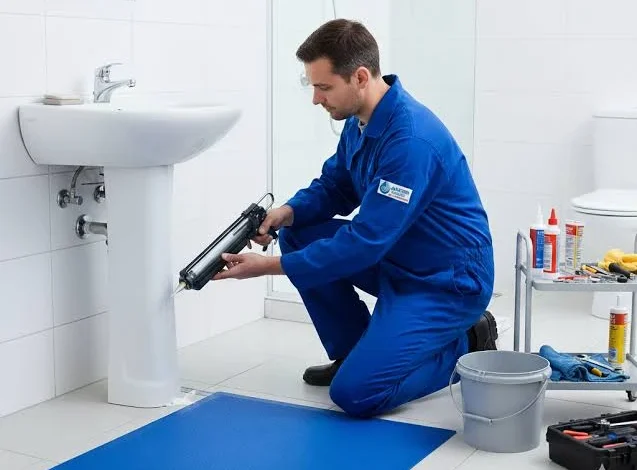
- Resealing a bath or shower tray with silicone: 30 to 45 minutes for application, plus 24 hours cure time before use
- Replacing a toilet fill valve or flush valve: 45 to 60 minutes
- Tightening or replacing a visible compression joint or push-fit fitting: 30 to 60 minutes
- Replacing a flexible hose connection under a basin or behind a toilet: 20 to 30 minutes
These repairs do not require any demolition, drying time, or follow-up visits. A competent plumber will have the common parts on the van and can complete the job in a single appointment.
When a Same-Day Repair Is Realistic
Same-day completion is realistic when the leak source is accessible, the fault is mechanical rather than structural, and no water has penetrated into the building fabric. Seals, joints, valves, and washers all fall into this category.
Where silicone resealing is involved, the repair itself is quick, but the bathroom cannot be used for 24 hours while the sealant cures fully. That is not really a repair delay, it is just drying time, and the plumber can usually fit this around your schedule.
Stage 3: Repairs Involving Water Damage to Structure or Surfaces
When a leak has been present for some time before being noticed, water gets into places it should not. Bathroom water damage repair is a different category of work from fixing the leak itself. The leak fix might take an hour. Repairing what the water has done can take several days.
Water damage that typically extends the repair timeline includes:
- Saturated floorboards or subfloor beneath vinyl or tile
- Swollen or softened plasterboard behind shower panels or bath surrounds
- Damaged floor joists from prolonged moisture exposure
- Delaminated or cracked wall tiles caused by movement in a wet substrate
- Mould growth within a wall cavity that needs to be treated before reinstatement
The repair sequence for these situations follows a set order: fix the source, allow structural elements to dry, assess the extent of damage, and carry out reinstatement. Skipping the drying stage and going straight to patching leads to problems resurfacing within months.
Drying Time: The Stage That Cannot Be Shortened
Structural drying is one of the most misunderstood parts of bathroom water damage repair. A plumber can fix the leak in an hour, but wet floor boards, damp plaster, and saturated insulation need time to dry before they can be covered back up.
In practice, drying times vary:
- Minor surface dampness in plaster: 2 to 5 days with ventilation
- Saturated floorboards with no underlayer damage: 5 to 10 days with drying equipment
- Water-damaged subfloor or joists: 1 to 3 weeks depending on severity and material
Drying equipment such as industrial dehumidifiers and air movers can significantly reduce these timelines. A restoration company or specialist plumber may place these on hire for the duration. Moisture readings taken at the start and end of the drying period confirm when reinstatement can begin.
Stage 4: Emergency Bathroom Leak Repair and What It Covers
An emergency bathroom leak repair callout is about stopping the water and preventing further damage, not necessarily completing the full repair in one visit. This is an important distinction that often causes confusion.
When a plumber attends an emergency, they will isolate the water supply, stop the leak from continuing, and assess the damage. They may carry out a temporary repair to make the situation safe and allow the bathroom to be used in a limited way. The full repair, particularly if water damage needs drying and reinstatement, follows in a subsequent visit.
Expecting a complete, finished repair from an emergency callout is unrealistic in most cases. What you should expect is the leak stopped, the immediate risk removed, and a clear explanation of what comes next and how long it will take.
What to Do While Waiting for an Emergency Plumber
Turn off the water supply to the affected bathroom at the isolation valve, usually located under the basin or behind the toilet. If you cannot find the isolation valve, turn off the main stopcock. Move anything that can be damaged away from the wet area, and place towels to contain water spread.
Document the damage with photos before any cleanup. This is useful for insurance purposes if a claim becomes necessary.
Typical End-to-End Timelines for a Bathroom Leak Repair Service
Pulling this together, here is how a bathroom leak repair service typically looks from first call to finished repair:
- Minor accessible leak (tap, valve, seal): same day, 1 to 3 hours total
- Concealed leak requiring detection: 1 to 2 days including detection, repair, and any sealant curing
- Leak with surface water damage: 1 to 2 weeks including repair, drying, and reinstatement
- Leak with structural damage to floor or wall: 2 to 4 weeks or longer depending on extent
These are realistic ranges, not worst-case scenarios. The wide variation reflects how differently bathroom leaks present, from a straightforward joint on an accessible pipe to water that has been working its way through a floor for months undetected.
Getting a plumber in quickly when you first suspect a leak almost always shortens the overall timeline. Leaks do not resolve on their own and the damage they cause compounds over time.
Getting Bathroom Leak Repairs Done Without Delays
Understanding the stages involved means you can set realistic expectations and make informed decisions about what type of service you need. A quick callout for a dripping pipe is a very different job from a repair following long-term water ingress, and conflating the two leads to frustration on both sides.
0800 Homefix provides bathroom leak detection and repair across London, with same-day appointments available for urgent situations. Their plumbers carry out thorough source identification before recommending repairs, provide clear timelines for each stage of the job, and can manage the full process from emergency stoppage through to finished reinstatement. For homeowners who want a straightforward, honest repair service without having to coordinate multiple contractors, they are a practical choice.
Frequently Asked Questions
1. How long does a bathroom leak repair typically take?
Most simple bathroom leak repairs take between one and three hours for a single visit. Where water has damaged floors, walls, or structural elements, the full repair process including drying and reinstatement can take one to four weeks. The main variable is how long the leak has been present before it was noticed.
2. Can a bathroom leak be fixed in one day?
Yes, if the source is accessible and the fault is mechanical, such as a failed seal, worn washer, faulty valve, or loose pipe joint. Repairs requiring silicone resealing need 24 hours of cure time after the application. Repairs involving water damage to structure or tiles will take longer due to the drying stage.
3. How do plumbers find the source of a bathroom leak?
Plumbers use a combination of visual inspection, water testing, dye tests, pressure checks, and moisture meters to identify leak sources. For concealed leaks behind walls or under floors, thermal imaging or acoustic detection may be used. Accurate source identification is the foundation of an effective repair.
4. What causes most bathroom leaks in UK homes?
The most common causes are failed silicone or grout around baths, showers, and basins; worn tap washers or cartridges; faulty toilet fill or flush valves; deteriorated pipe joints; and cracked or poorly fitted shower trays. In older properties, corrosion on copper pipework or lead-to-copper joints is also a frequent cause.
5. Does a bathroom leak need to be reported to home insurance?
It depends on the extent of the damage and your policy terms. Gradual leaks caused by wear and tear are often excluded, while sudden and accidental escape of water events are usually covered. Report the damage to your insurer as soon as it is identified and document everything with photographs before cleanup begins.
6. How do I know if a bathroom leak has caused structural damage?
Signs of structural damage include soft or springy floorboards, visible mould on walls or ceilings, cracked or loose tiles that were previously secure, a musty smell that persists after cleaning, and water staining that spreads across a wider area than the visible leak. A plumber or surveyor can confirm the extent using moisture meters.
7. Can I use my bathroom while a leak repair is drying?
It depends on the repair. For silicone resealing, the bathroom should not be used for 24 to 48 hours. For repairs involving structural drying, the affected area should remain out of use until moisture readings confirm the material has dried to an acceptable level. Your plumber will advise on what is safe to use during the drying period.
8. What is the difference between an emergency plumber and a standard bathroom repair?
An emergency plumber attends to stop an active leak and prevent further damage. They may carry out a temporary repair to make the situation safe. A standard repair service addresses the full fix, including any structural drying, reinstatement of tiles or flooring, and finishing work. Emergency callouts address the immediate risk; full repairs follow in a separate visit or visits.