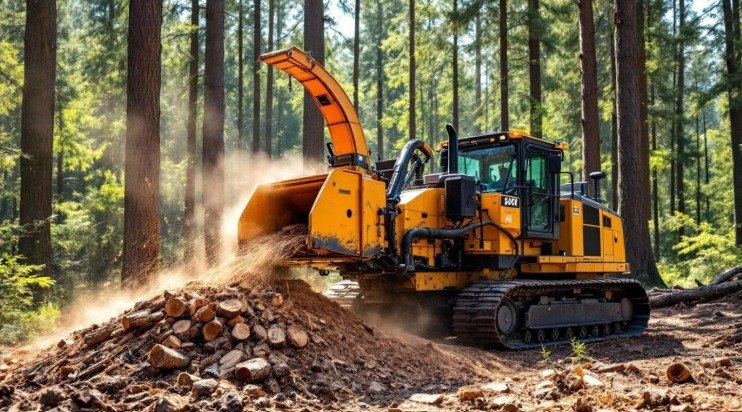
Wood chippers are widely used in forestry, landscaping, wood recycling, and biomass processing to break down logs, branches, and other wood materials into smaller chips. Since these machines often operate under heavy loads and continuous working conditions, the performance of cutting components directly affects productivity and maintenance costs. Among all wear components, the blade material plays an important role in determining cutting efficiency, durability, and service life. Choosing reliable wood chipper blades with the right material properties can help operators maintain stable performance, reduce downtime, and improve overall processing efficiency.
Why Blade Material Matters in Wood Chipping Operations
The material of a wood chipper blade directly affects its cutting performance, durability, and maintenance requirements. During daily operations, blades must handle continuous friction, high-speed cutting, and repeated impact from different types of wood materials. If the blade material is not suitable for the working environment, it can lead to faster wear, reduced efficiency, and increased operating costs.
When selecting wood chipper knives, operators should consider several key performance factors:
-
Wear resistance: A blade with strong wear resistance can better withstand contact with wood, bark, dirt, and other abrasive materials, helping maintain a sharp cutting edge for longer periods.
-
Impact resistance: Wood chipping often involves hard and irregular materials. Good toughness allows the blade to absorb repeated impact without cracking or premature failure.
-
Edge retention: A blade that maintains its sharpness can improve cutting efficiency, reduce power consumption, and produce more consistent chip sizes.
By choosing the right blade material based on operating conditions, businesses can reduce maintenance frequency, minimize downtime, and achieve more reliable performance from their wood processing equipment.
Common Materials Used for Wood Chipper Blades
The material selection of a blade has a direct impact on cutting performance, service life, and maintenance costs. Different wood chipping operations require different levels of hardness, toughness, and wear resistance. For this reason, manufacturers commonly use several types of steel and carbide materials when producing wood chipper blades for various working environments.
D2 Tool Steel
D2 tool steel is one of the commonly used materials for industrial cutting tools due to its excellent wear resistance and good hardness. It can maintain a sharp cutting edge for longer periods, making it suitable for continuous wood processing applications where blades are exposed to frequent abrasion.
Its balance of durability and performance makes D2 steel a practical choice for many wood chipping operations, especially when operators need reliable cutting performance and longer service intervals.
Cr12MoV Steel
Cr12MoV steel is another popular material used for wear-resistant cutting components. It offers good abrasion resistance, stable performance, and cost efficiency, making it suitable for medium-duty wood processing applications.
Compared with standard steel, Cr12MoV provides better resistance against wear caused by repeated cutting and friction. It is often selected for applications where operators need a balance between blade durability and overall operating costs.
High-Speed Steel (HSS)
High-Speed Steel (HSS) is known for its high hardness and ability to maintain cutting performance under demanding conditions. It provides excellent edge retention and can withstand higher temperatures generated during high-speed cutting operations.
For applications requiring precise cutting and longer-lasting sharpness, HSS can be an effective material option. However, because of its higher material cost, it is usually selected based on specific production requirements and operating conditions.
Carbide-Tipped Blades
Carbide-tipped blades are designed for heavy-duty applications where extreme wear resistance is required. The carbide cutting edge provides superior hardness and allows the blade to maintain performance when processing abrasive materials or operating for extended periods.
These blades are commonly used in challenging environments such as forestry operations, biomass processing, and industrial recycling. Although carbide-tipped options may have a higher initial cost, their longer service life can help reduce replacement frequency and downtime over time.
Choosing the right material depends on factors such as the type of wood being processed, machine workload, and expected service intervals. A properly selected blade material can help maximize equipment efficiency and reduce long-term maintenance expenses.
How to Choose the Right Blade Material for Your Application
Selecting the right blade material depends on more than hardness or wear resistance. The best choice should match your specific processing environment, machine workload, and maintenance expectations. By considering these factors, operators can achieve better cutting performance and avoid unnecessary replacement costs.
Consider the Processed Material
Different types of wood can create different levels of stress on the blade. For example:
-
Softwood: Usually requires standard wear-resistant materials for regular processing.
-
Hardwood: Requires stronger materials with better toughness and wear resistance due to higher cutting resistance.
-
Recycled wood: May contain dirt, bark, or other contaminants, making highly wear-resistant materials more suitable.
Evaluate Working Conditions
The operating environment also affects blade selection. Factors such as:
-
Daily operating hours
-
Production volume
-
Material contamination levels
can influence how quickly a blade wears. Heavy-duty operations with long working hours often require more durable materials to maintain consistent performance.
Consider Maintenance Requirements
A suitable blade material can significantly reduce maintenance demands. High-quality blades help extend replacement intervals, minimize unexpected downtime, and lower long-term operating costs. Choosing the right material based on actual working conditions ensures that your wood chipper blades deliver better efficiency and service life throughout their operating cycle.
Balancing Hardness, Wear Resistance, and Toughness
When selecting materials for wood chipper blades, achieving the right balance between hardness, wear resistance, and toughness is essential. A blade that is too soft may wear quickly, while a blade that is too hard may become more vulnerable to cracking under heavy impact.
The key properties work together to determine overall blade performance:
-
Hardness: Helps the blade resist deformation and maintain a sharp cutting edge during continuous cutting operations.
-
Wear resistance: Reduces material loss caused by friction and abrasion, extending the service life of the blade.
-
Toughness: Allows the blade to withstand impact from hard or irregular materials without breaking or chipping.
A well-balanced material structure enables wood chipper blades to perform reliably in demanding applications, providing both durability and consistent cutting efficiency.
Conclusion
Selecting the right blade material is an important step in improving the performance and reliability of wood processing equipment. Different applications require different levels of wear resistance, toughness, and cutting performance to achieve the best results. By understanding material options and matching them with actual operating conditions, operators can reduce downtime, control replacement costs, and maintain more efficient production. Investing in durable wood chipper blades with suitable material properties helps ensure consistent cutting performance and longer service life in demanding environments.