Plangud: Meaning, Uses, and Online Context Explained
A simple guide to the word Plangud, its Estonian origin, wooden-plank meaning, and use as an online name

Introduction
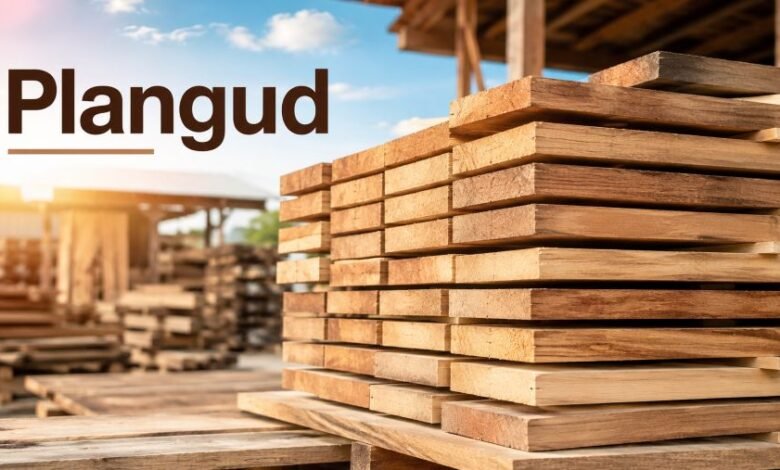
Plangud is an Estonian word commonly connected with thick wooden boards or planks. It is the plural form related to the Estonian noun plank, which can describe a thick board or a solid wooden fence.
The word has also started appearing online as the name of websites and digital content. This has created confusion because some articles describe Plangud as a productivity system, planning method, construction material, or digital platform.
However, there is no reliable evidence that all these descriptions refer to one established product or concept. The meaning depends strongly on where the word appears.
What Does Plangud Mean?
The clearest documented meaning comes from the Estonian language.
The Estonian Institute of Language defines plank as a relatively thick and narrow wooden board. The word can also describe a fence made from boards placed closely together. Plangud is a plural form, so it generally means planks, boards, or thick wooden boards.
In simple English:
- Plank means one thick board.
- Plangud means several thick boards or planks.
- The word may also appear when discussing wooden fencing.
This linguistic meaning is more reliable than many newer explanations published on general websites.
Is Plangud an English Word?
Plangud is not a standard English word. It belongs to the Estonian language.
An English-speaking reader may encounter it on:
- Estonian construction websites
- Timber or woodworking pages
- Product descriptions
- Translation pages
- Websites using Plangud as a brand or domain name
When translated into English, the best wording may be planks, boards, or wooden boards, depending on the sentence.
Plangud in Construction and Woodworking
In a building or woodworking context, plangud may refer to solid pieces of sawn timber.
Estonian language resources include plangud among examples of sawn wood materials alongside boards and beams.
Wooden planks can be used for many practical jobs, including:
Fencing
Closely positioned planks can create a strong fence that provides privacy and marks the edge of a property.
Flooring
Properly prepared wooden boards may be used in floors, depending on their size, wood species, treatment, and quality.
Decking
Outdoor planks can form walking surfaces, garden decks, platforms, and seating areas.
Furniture
Woodworkers may cut larger planks into smaller pieces for tables, shelves, benches, and cabinets.
Structural Projects
Thick boards may also be used in temporary structures, repairs, boats, farm buildings, or other construction work.
The correct use always depends on the dimensions, strength, moisture level, treatment, and condition of the wood.
Is Plangud a Planning Platform?
The domain plangud.com describes Plangud as a modern planning platform intended to help teams collaborate and make data-based decisions. However, its visible homepage mainly displays general articles covering business, technology, travel, health, and public figures.
A separate page on the same domain presents Plangud as a productivity system involving digital workflows, project management, content organisation, WordPress, and Trello. These descriptions come from the website itself and should be treated as self-published claims rather than independent confirmation of an established software service.
Readers should therefore check carefully before describing Plangud as a recognised project-management application.
Important questions include:
- Is a working application available?
- Can users create an account?
- Are product features demonstrated?
- Is pricing clearly published?
- Is there technical documentation?
- Are independent user reviews available?
- Is information about the operating company provided?
Without clear answers, it is safer to describe Plangud as an online name or website rather than a proven software platform.
Why Is the Meaning of Plangud Confusing?
Search results currently contain several conflicting explanations.
Some websites call Plangud:
- A productivity philosophy
- A planning framework
- A project-management platform
- A creative mindset
- A type of wooden flooring
- A construction material
- A newly created digital term
One website correctly notes that the term appears in searches without a widely accepted or officially documented digital definition.
Other pages combine the planning and wooden-plank meanings, but they do not provide strong historical, academic, technical, or corporate evidence proving that Plangud is an established system with all these functions.
The confusion likely comes from two separate uses:
- The established Estonian word connected with wooden planks
- A newer website or brand-style use connected with planning
These meanings should not be combined without supporting evidence.
How to Understand Plangud in a Sentence
Context is the easiest way to understand the word.
Construction Context
When the sentence discusses timber, fences, flooring, carpentry, boats, or building work, Plangud probably means wooden planks.
Example:
“The builders placed the plangud beside the fence.”
In English, this would most likely mean:
“The builders placed the wooden planks beside the fence.”
Website Context
When Plangud appears as a capitalised name, website title, or domain, it may refer to an online brand or publishing website.
Productivity Context
When an article connects Plangud with goals, tasks, workflows, or planning, check whether it provides evidence of a real application. Some pages may simply be offering their own interpretation of the name.
Is Plangud a Brand Name?
Plangud can function as a brand-style name because it is short and distinctive. The existence of websites using it does not automatically establish one universal brand, company, or product.
Before trusting a Plangud-branded service, review:
- The About page
- Contact information
- Privacy policy
- Terms and conditions
- Company registration details
- Product demonstrations
- Independent reviews
- Security information
These checks are especially important before providing personal details, creating an account, or making a payment.
Frequently Asked Questions
What is Plangud in simple words?
Plangud is most clearly understood as an Estonian plural word referring to planks or thick wooden boards.
Does Plangud mean wooden flooring?
It can refer broadly to wooden planks that might be used in flooring, but the word itself does not name one specific flooring product.
Is Plangud a project-management tool?
A website using the name describes it as a planning platform, but its public pages do not provide enough independent evidence to treat it as a widely established project-management product.
Is Plangud an English term?
No. Its documented linguistic meaning comes from Estonian.
Why are there different Plangud definitions online?
Some websites use the original wooden-plank meaning, while others treat Plangud as a digital name and create planning-related explanations around it.
What is the most reliable meaning of Plangud?
The most strongly supported meaning is wooden planks or thick boards, based on Estonian dictionary information.
Conclusion
Plangud is an unusual keyword because it appears in both language and digital contexts.
Its most reliable meaning comes from Estonian, where it refers to multiple planks or thick wooden boards. It may be used when discussing timber, fencing, construction, boats, flooring, or woodworking.
Plangud is also used as a website and brand-style name. Although some online pages describe it as a productivity platform or planning philosophy, those claims are not supported by enough independent information to create one official digital definition.
The safest explanation is simple: Plangud usually means wooden planks in Estonian, while its online meaning depends on the particular website or article using the name.