Ultimate Deep-Dive Guide into Modern Car Paint Protection Solutions Including Ceramic Coating, PPF Film, and Preventive Maintenance Practices

A vehicle’s paintwork is more than just an aesthetic feature; it is also the first line of defense against environmental damage, corrosion, and surface deterioration. Over time, exposure to sunlight, road debris, bird droppings, acid rain, tree sap, and harsh weather conditions can gradually degrade a car’s exterior finish. Without proper protection, even a relatively new vehicle can begin to lose its shine, develop scratches, and show signs of fading. This is where car paint protection becomes essential for maintaining both appearance and long-term value.
Car paint protection refers to a range of treatments and techniques designed to shield a vehicle’s exterior surface from damage while preserving its glossy finish. These protective solutions help maintain the original paint condition, reduce maintenance efforts, and enhance resale value. With advancements in automotive detailing technology, vehicle owners now have multiple options to safeguard their paintwork effectively.
Understanding Why Car Paint Needs Protection
Automotive paint is constantly exposed to environmental stress. Ultraviolet (UV) rays from the sun are one of the primary causes of paint fading and oxidation. Over time, UV exposure breaks down the chemical structure of the paint, leading to dullness and discoloration.
Road contaminants such as dust, sand, and gravel can cause micro-scratches when they come into contact with the surface. Even routine washing can create swirl marks if improper techniques or dirty materials are used.
Chemical contaminants like bird droppings, insect residue, and tree sap are particularly harmful because they contain acidic properties that can etch into the clear coat if not removed quickly. Industrial fallout and pollution particles can also bond to the paint surface and cause long-term damage.Without protective measures, these factors gradually reduce the clarity, gloss, and durability of a vehicle’s exterior finish.
What Is Car Paint Protection
Car paint protection is a general term used to describe products and treatments that create a barrier between the vehicle’s paint and external contaminants. These protective layers are designed to minimize damage, enhance shine, and make cleaning easier.
The protection can come in several forms, including wax coatings, paint sealants, ceramic coatings, and paint protection films. Each option offers different levels of durability, longevity, and protection depending on the needs of the vehicle owner.The primary goal of all paint protection methods is to preserve the factory finish and prevent premature wear caused by environmental exposure.
Types of Car Paint Protection
There are several widely used methods for protecting automotive paint, each with its own advantages and application techniques.Wax protection is one of the oldest and most traditional methods. It provides a glossy finish and a basic protective layer against water and light contaminants. However, wax tends to wear off quickly and requires frequent reapplication.
Paint sealants are synthetic alternatives to wax that offer longer-lasting protection. They bond more effectively with the paint surface and provide improved resistance to UV rays and environmental contaminants.
Ceramic coatings are one of the most advanced forms of paint protection available today. These coatings form a semi-permanent bond with the paint surface, creating a durable, hydrophobic layer that repels water, dirt, and chemicals. Ceramic coatings also enhance gloss and reduce maintenance requirements significantly.
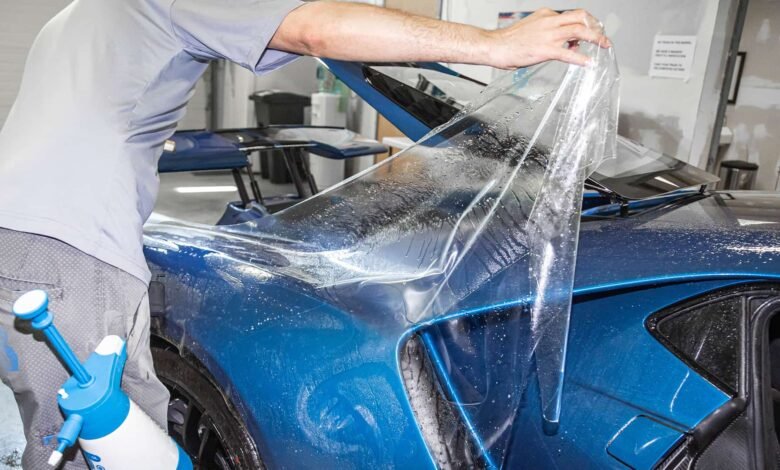
Paint protection film (PPF) is a transparent polyurethane film applied directly to the vehicle’s surface. It provides strong physical protection against scratches, stone chips, and minor abrasions. PPF is especially popular for high-impact areas such as bumpers, hoods, and side mirrors.
Benefits of Car Paint Protection
One of the most noticeable benefits of paint protection is enhanced appearance. A well-protected vehicle maintains a deep, glossy finish that looks cleaner and more polished for longer periods.Protection also helps prevent oxidation and fading caused by UV exposure. This ensures that the paint retains its original color and vibrancy over time.
Another major benefit is ease of cleaning. Hydrophobic coatings such as ceramic protection cause water and dirt to bead off the surface, making washing and maintenance significantly easier.
Paint protection also reduces the risk of minor scratches and swirl marks. While no solution can make a car completely scratch-proof, protective layers act as a buffer against light abrasions.Long-term value retention is another important advantage. Vehicles with well-maintained paintwork typically have higher resale value because they appear better preserved and more visually appealing.
How Car Paint Protection Is Applied
The application process varies depending on the type of protection being used. Before any protective treatment is applied, the vehicle must undergo thorough cleaning and surface preparation.This usually involves washing, decontamination, and paint correction. Paint correction removes existing imperfections such as swirl marks, oxidation, and light scratches to ensure a smooth surface.
For wax and sealants, the product is applied in a thin layer and then buffed to achieve a glossy finish. These products bond quickly but require regular reapplication to maintain effectiveness.Ceramic coatings require more detailed application. After surface preparation, the coating is carefully applied panel by panel and allowed to cure. Once cured, it forms a strong chemical bond with the paint surface.
Paint protection film installation involves precise cutting and application of the film onto targeted areas. The film is carefully smoothed to remove air bubbles and ensure proper adhesion.Even with paint protection, proper maintenance is essential for long-lasting results. Regular washing helps remove surface contaminants before they can cause damage.It is important to use pH-neutral car shampoos and soft microfiber cloths to avoid damaging protective layers. Harsh chemicals and abrasive materials should be avoided.
For ceramic coatings, occasional maintenance products may be used to refresh hydrophobic properties and maintain gloss.Paint protection film should also be inspected regularly for edges lifting or minor damage, especially in high-impact areas.
Common Mistakes in Paint Protection
One common mistake is applying protection without proper surface preparation. Dirt, oxidation, or scratches left on the surface can become sealed under the protective layer, reducing effectiveness.Another mistake is choosing the wrong protection type for specific needs. For example, wax may not provide sufficient durability for vehicles exposed to harsh weather conditions.
Improper washing techniques after application can also damage protective coatings. Using automatic car washes with abrasive brushes can create swirl marks even on protected surfaces.Neglecting regular maintenance is another issue that reduces the lifespan and effectiveness of protective treatments.
Longevity and Effectiveness of Different Protection Methods
The durability of paint protection varies depending on the method used. Wax typically lasts a few weeks to a couple of months. Paint sealants can last several months under normal conditions.
Ceramic coatings offer long-term protection, often lasting several years depending on product quality and maintenance. Paint protection film can also last for many years while providing strong physical protection against impacts.
Choosing the right option depends on budget, usage patterns, and desired level of protection.It also reduces the risk of costly paint repairs or full repainting, which can be significantly more expensive than preventive protection.For vehicle owners who want to maintain a showroom-like finish, paint protection is one of the most effective long-term solutions available.
Conclusion
Car paint protection plays a crucial role in preserving the appearance, durability, and value of a vehicle. By shielding the paint from UV rays, contaminants, scratches, and environmental damage, it ensures that the exterior remains in excellent condition for years.
With options ranging from wax and sealants to advanced ceramic coatings and paint protection films, vehicle owners can choose solutions that match their needs and budget. When combined with proper maintenance and careful washing practices, paint protection significantly extends the life and beauty of automotive finishes.Ultimately, investing in paint protection is a proactive step that helps maintain both the aesthetic appeal and long-term value of any vehicle.
Investing in car paint protection is not just about aesthetics; it is also about preserving vehicle value and reducing maintenance costs over time. A well-protected car requires less frequent detailing and retains its visual appeal longer.