Creating a strong, visually appealing, and long-lasting outdoor surface requires careful planning, the right materials, and proper execution techniques. Among the most practical and widely used landscaping methods, gravel-based surfaces stand out due to their affordability, versatility, and ease of maintenance. Whether used for driveways, pathways, garden areas, or drainage solutions, gravel provides a natural yet highly functional finish that suits both residential and commercial environments. Understanding how to properly design and implement a gravel surface is essential for achieving long-term performance and structural stability.
Outdoor ground preparation is more than just spreading stones over soil. It involves engineering principles such as drainage control, soil stabilization, layering techniques, and compaction. Without these considerations, even high-quality materials can fail prematurely, leading to uneven surfaces, pooling water, and continuous maintenance issues. This is why structured planning and correct installation methods are critical for success.
Understanding the Purpose and Benefits of Gravel-Based Surfaces
Gravel surfaces are used for a variety of purposes because they offer a balance between functionality and aesthetics. One of the primary advantages is permeability. Unlike solid surfaces such as concrete or asphalt, gravel allows water to pass through naturally, reducing surface runoff and helping manage drainage effectively. This makes it particularly useful in areas where water accumulation is a concern.
Another important benefit is cost-effectiveness. Compared to other paving options, gravel requires less initial investment and fewer specialized tools for installation. It also allows for easier repairs since damaged areas can be replenished without replacing the entire surface. In addition, gravel provides a natural appearance that blends well with gardens, landscapes, and rural environments.
From a structural perspective, gravel surfaces distribute weight efficiently when properly layered and compacted. This makes them suitable for driveways and parking areas that experience moderate vehicle traffic. However, achieving these benefits depends heavily on correct preparation and technique, as improper execution can lead to shifting, sinking, or erosion over time.
Planning and Site Preparation Considerations
Before beginning any outdoor surfacing project, thorough planning is essential. The first step involves assessing the site conditions, including soil type, slope, drainage patterns, and intended usage. Soil composition plays a significant role in determining stability, as clay-heavy soils may require additional base reinforcement, while sandy soils naturally provide better drainage.
Slope analysis is equally important because it affects water flow. A properly designed surface should guide water away from structures and prevent pooling in low areas. In many cases, slight grading adjustments are necessary to ensure optimal drainage performance.
During this stage, it is also important to determine the thickness of each layer, including the sub-base and gravel top layer. Heavy-use areas such as driveways typically require a deeper base compared to decorative garden paths. Proper planning ensures that materials are used efficiently while maintaining long-term durability.
In professional landscaping projects, gravel installation begins with a clear blueprint that outlines boundaries, depth levels, and material specifications. This planning stage ensures that the final surface performs as intended under different environmental conditions and usage demands.
Excavation and Base Layer Construction Techniques
Once the planning phase is complete, the next step involves excavation. This process includes removing existing vegetation, topsoil, and debris to create a stable foundation. The depth of excavation depends on the intended use of the surface, but it is generally deeper for areas that will support vehicle traffic.
After excavation, a sub-base layer is installed. This layer typically consists of crushed stone or hardcore material that provides structural strength and stability. It is carefully spread and compacted to create a firm foundation that prevents shifting and settling over time. Proper compaction is essential at this stage, as it directly impacts the longevity of the entire surface.
Geotextile fabric is often used between the soil and base layers to improve stability and prevent mixing of materials. This fabric also helps control weed growth and enhances drainage efficiency by allowing water to pass through while maintaining separation between soil and aggregate layers.
The success of gravel installation largely depends on how well this foundation is constructed. A weak or uneven base can lead to premature failure, regardless of the quality of the gravel used on top.
Selecting the Right Materials for Long-Term Performance
Choosing the correct type of gravel is crucial for both functionality and appearance. Different sizes and shapes of stone serve different purposes. Angular gravel tends to lock together more effectively, providing better stability for driveways and high-traffic areas. Rounded gravel, on the other hand, is often used for decorative pathways and garden features due to its smoother texture.
Common gravel types include crushed stone, pea gravel, and decomposed granite. Crushed stone is typically preferred for structural applications because of its interlocking properties. Pea gravel is more aesthetically pleasing but may shift more easily under pressure. Decomposed granite provides a compact surface that resembles natural soil but with improved drainage characteristics.
Color selection also plays a role in overall design. Lighter shades reflect sunlight and create a bright appearance, while darker tones offer a more natural and grounded look. The choice of material should align with both functional requirements and visual preferences.
In any successful project involving gravel installation, selecting the right combination of materials ensures that the surface remains stable, attractive, and easy to maintain over time.
Spreading, Layering, and Compaction Methods
After the base layer is prepared and materials are selected, the gravel is spread evenly across the surface. This process requires attention to depth consistency, as uneven distribution can lead to weak spots or water pooling. Typically, gravel is applied in layers rather than all at once to ensure better compaction and structural integrity.
Each layer is compacted using mechanical equipment such as a roller or plate compactor. Compaction is one of the most important steps in the entire process because it locks the particles together and reduces movement under pressure. Without proper compaction, gravel surfaces may shift, creating ruts and uneven areas.
Watering the surface lightly during compaction can improve results by helping particles settle more effectively. However, excessive moisture should be avoided, as it can weaken the base structure.
The quality of gravel installation is largely determined during this stage, as proper layering and compaction ensure long-term durability and performance under varying conditions.
Edge Restraints and Boundary Control Systems
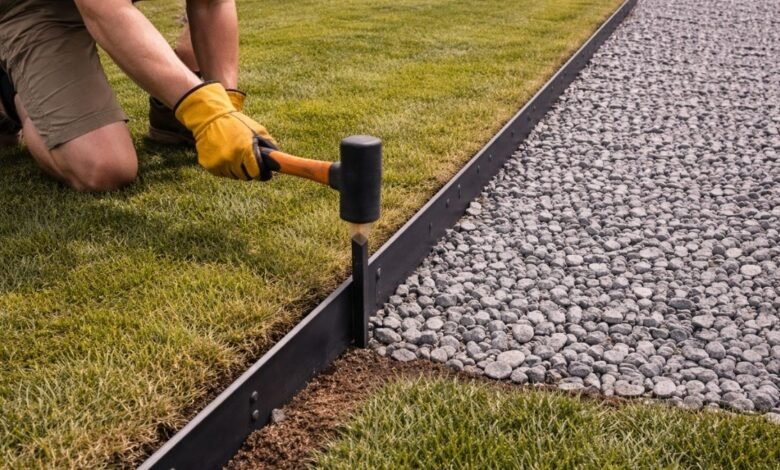
One often overlooked aspect of gravel surfaces is edge control. Without proper restraints, gravel can spread beyond its intended boundaries, leading to maintenance issues and loss of material. Edge restraints help maintain shape, improve aesthetics, and enhance structural stability.
Materials used for edging include metal strips, stone borders, timber frames, or concrete edges. Each option provides different levels of durability and visual appeal. Metal edging is commonly used for modern designs due to its clean lines, while stone borders offer a more natural appearance.
Proper installation of edge restraints ensures that the gravel remains contained even under heavy usage. This is especially important in driveways or pathways where repeated movement can gradually displace materials.In well-executed gravel installation, edging systems play a crucial role in maintaining long-term structure and reducing maintenance requirements.
Drainage Management and Water Flow Optimization
Effective drainage is one of the most important factors in outdoor surface design. Poor drainage can lead to erosion, surface instability, and long-term structural damage. Gravel surfaces naturally support drainage, but only when properly designed and installed.
The underlying slope should direct water away from buildings and toward designated drainage areas. Sub-base materials should also be chosen for their permeability to allow water to flow freely through the structure.
In some cases, additional drainage systems such as perforated pipes may be installed beneath the surface to further improve water management. These systems help prevent water accumulation and maintain the integrity of the base layers.Without proper drainage planning, even a well-constructed surface can fail prematurely. This is why professional gravel installation always includes a detailed drainage strategy to ensure long-term stability and performance.
Maintenance Practices for Long-Term Durability
Although gravel surfaces are relatively low maintenance, they still require periodic care to maintain their appearance and functionality. Over time, natural movement, weather conditions, and usage can cause minor displacement of materials.
Regular raking helps redistribute gravel evenly and prevents the formation of ruts or bare spots. Additional gravel may need to be added occasionally to maintain proper depth. Weed growth can also occur if the base layer is not properly protected, although geotextile fabric significantly reduces this issue.
In high-traffic areas, periodic re-compaction may be necessary to restore stability. This helps maintain a firm surface and prevents long-term degradation.Proper maintenance ensures that gravel installation remains effective and visually appealing for many years without requiring major repairs or reconstruction.
Common Mistakes and How to Avoid Them
One of the most common mistakes in gravel surface construction is inadequate base preparation. Skipping or rushing this step often leads to sinking and uneven surfaces. Another frequent issue is using the wrong type of gravel, which can result in poor stability or excessive movement.
Insufficient compaction is another major problem that reduces surface durability. Without proper compaction, gravel layers fail to lock together, leading to shifting and erosion.
Ignoring drainage planning can also cause significant issues over time. Water accumulation weakens the base structure and leads to surface deformation.Avoiding these mistakes is essential for ensuring that gravel installation delivers long-lasting results with minimal maintenance requirements.
Cost Considerations and Value Efficiency
Gravel surfaces are widely regarded as one of the most cost-effective landscaping solutions available. Material costs are generally lower than asphalt or concrete, and installation does not require highly specialized equipment. Labor costs can also be reduced when the project is properly planned and executed.
However, long-term value depends on the quality of gravel installation. Poorly constructed surfaces may require frequent repairs, which can increase overall costs over time. Investing in proper base preparation and quality materials ensures better durability and lower maintenance expenses in the long run.
Conclusion: Building Reliable Outdoor Surfaces with Proper Techniques
The affordability and flexibility of gravel make it a practical choice for a wide range of applications, from residential driveways to large commercial spaces.
Creating a durable and functional gravel surface requires more than simply spreading stones over the ground. It involves careful planning, proper excavation, material selection, layering, compaction, and drainage management. Each step plays a critical role in ensuring long-term performance and stability.
When executed correctly, gravel installation provides a cost-effective, environmentally friendly, and visually appealing solution for a wide variety of outdoor applications. Its versatility and ease of maintenance make it one of the most reliable options for both small and large-scale landscaping projects.