Introduction
Cooking should make your home feel welcoming, not leave your kitchen filled with lingering smoke, grease, and unwanted odors. Whether you’re preparing a quick breakfast or a family dinner, everyday cooking releases steam, airborne grease particles, heat, and fine pollutants that can affect both comfort and indoor air quality. While many homeowners focus on choosing stylish appliances, proper kitchen ventilation is often overlooked until these issues become noticeable.
An under-cabinet range hood offers a practical solution by capturing cooking byproducts directly above the cooktop before they spread throughout the home. Designed to fit neatly beneath existing cabinets, it combines effective ventilation with a space-saving design that suits both modern and traditional kitchens. Understanding how it works and the benefits it provides can help you choose the right ventilation solution for a cleaner, fresher, and more enjoyable cooking environment.
What Is an Under-Cabinet Range Hood?
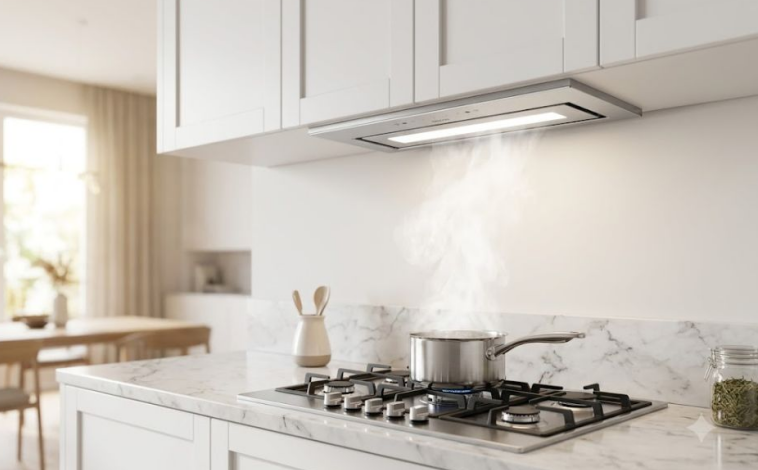
An under-cabinet range hood is a ventilation appliance installed underneath a cabinet located above a cooktop or range. Its primary function is to remove smoke, steam, heat, grease, and cooking odors generated during meal preparation. Depending on the model, the captured air may either be vented outside through ductwork or filtered and recirculated back into the room.
Many under-cabinet models are designed to blend with existing cabinetry, making them a practical option for kitchens with limited space. Modern units often include features such as multiple fan speeds, built-in lighting, and removable filters for easier maintenance. Because they utilize an area that would otherwise remain unused, they provide effective kitchen ventilation without requiring major changes to the overall layout.
Why Proper Kitchen Ventilation Matters
Cooking naturally produces airborne contaminants that can affect the kitchen environment. Frying foods, simmering sauces, or boiling water releases moisture, while oils and grease can become suspended in the air. Over time, these particles may settle on cabinets, walls, countertops, and other surfaces.
Proper kitchen ventilation helps reduce the accumulation of smoke, excess humidity, and lingering odors. It can also improve overall comfort by removing heat generated during cooking. In households where cooking occurs frequently, effective ventilation plays an important role in maintaining a cleaner and more pleasant indoor environment. Rather than allowing airborne particles to circulate throughout the home, a well-functioning ventilation system captures them closer to their source and helps keep the kitchen feeling fresher throughout the day.
Space-Saving Design for Modern Homes
Many modern homes prioritize efficient use of space, particularly in apartments, condominiums, and smaller houses. Kitchen layouts are often designed to maximize storage while maintaining an open and functional workspace. An under-cabinet range hood supports this goal by fitting neatly beneath existing cabinetry.
Unlike larger ventilation systems that may require dedicated wall space or extensive structural modifications, under cabinet models take advantage of an already occupied area above the cooktop. This allows homeowners to maintain valuable storage space while still benefiting from effective ventilation. Their streamlined appearance also works well in both traditional and contemporary kitchens. For households seeking practical solutions that do not overwhelm the room visually, this style of range hood offers a balance between performance and efficient space utilization.
Improved Indoor Air Quality During Everyday Cooking
Indoor air quality can be influenced by many daily activities, including cooking. Even routine meal preparation can generate fine particles, moisture, and odors that remain in the air long after cooking has finished. Over time, these elements can contribute to a less comfortable kitchen environment.
An under cabinet range hood helps address this issue by capturing airborne particles and directing them away from the cooking area. Whether preparing a quick breakfast or a more elaborate dinner, effective ventilation promotes better airflow and helps reduce the concentration of cooking-related pollutants. This can be especially beneficial in kitchens connected to dining or living areas, where odors and moisture may otherwise spread throughout the home. By supporting cleaner air circulation during everyday cooking, a properly sized range hood contributes to a more comfortable and enjoyable kitchen experience.
Better Removal of Smoke, Steam, and Cooking Odors
One of the primary reasons homeowners install an under-cabinet range hood is to manage the smoke, steam, and odors produced during cooking. Certain cooking methods, such as frying, searing, and stir-frying, can generate noticeable amounts of smoke and airborne grease. At the same time, boiling water and simmering sauces release steam that may increase moisture levels in the kitchen.
A properly functioning range hood helps capture these byproducts before they spread throughout the room. This not only improves comfort while cooking but can also reduce the likelihood of odors lingering in nearby living spaces. For open-concept homes, effective ventilation becomes even more valuable because kitchen smells can easily travel beyond the cooking area. By removing unwanted airborne particles closer to their source, an under-cabinet range hood contributes to a fresher and more pleasant indoor environment.
Energy Efficiency and Everyday Performance
Modern under-cabinet range hoods are designed to balance ventilation performance with energy efficiency. Many models feature improved motor technology that delivers consistent airflow without excessive energy consumption. This allows homeowners to maintain effective ventilation during daily cooking without significantly increasing electricity usage.
Another advantage is the inclusion of energy-efficient LED lighting. These lights provide clear visibility over the cooktop while using less power than traditional bulbs. In addition, multiple fan speed settings allow users to adjust airflow according to their cooking needs. A lower setting may be sufficient for light meal preparation, while higher speeds can help manage heavier smoke or steam. This flexibility supports efficient operation and helps ensure the ventilation system performs effectively across a variety of cooking situations.
Easy Installation Compared With Some Other Hood Types
Compared with certain ventilation systems, under-cabinet range hoods are often easier to integrate into an existing kitchen layout. Since they are installed beneath a wall cabinet directly above the cooking surface, they typically require less structural modification than island or custom-built hood systems.
This straightforward placement can simplify both new installations and kitchen renovations. In many cases, homeowners can choose between ducted and ductless configurations depending on the kitchen’s design and ventilation requirements. While professional installation is still recommended for many projects, the overall setup process is generally less complex than that of larger ventilation systems. For homeowners looking for a practical upgrade without major remodeling, an under-cabinet range hood can be an accessible option.
Compatibility With Different Kitchen Layouts
One of the strengths of an under-cabinet range hood is its ability to fit a wide variety of kitchen designs. Whether a home features a compact apartment kitchen, a traditional galley layout, or a modern open-concept design, this type of ventilation system can often be incorporated without disrupting the overall flow of the space.
Its compact footprint makes it especially useful in kitchens where maximizing storage and workspace is a priority. Homeowners who invest in efficient cooking appliances such as the Ciarra Nosh Oven often look for ventilation solutions that help maintain a comfortable and cleaner cooking environment. Because under-cabinet models are available in various sizes and configurations, they can accommodate different cooking habits and kitchen layouts while maintaining a streamlined appearance.
Ducted vs. Ductless Under-Cabinet Range Hoods
Under-cabinet range hoods are generally available in two main configurations: ducted and ductless. Each option offers distinct advantages depending on the kitchen setup and ventilation needs.
| Feature | Ducted Models | Ductless Models |
| Airflow Performance | Excellent | Good |
| Installation Difficulty | Higher | Lower |
| Odor Removal | Stronger | Moderate |
| Maintenance Needs | Lower | Higher |
| Operating Efficiency | Higher | Moderate |
Ducted models vent air outside the home, making them highly effective for removing smoke, heat, and odors. Ductless models, on the other hand, use filters to clean the air before recirculating it back into the kitchen. While they are generally easier to install, they may require more frequent filter maintenance. The best choice often depends on the home’s layout, existing ventilation infrastructure, and individual cooking habits.
How to Choose the Right Under-Cabinet Range Hood
Selecting the right range hood involves more than choosing a style that fits the kitchen. Performance and compatibility should also be considered to ensure the unit meets daily cooking needs.
Key factors include:
- Matching the hood width to the cooktop size
- Evaluating airflow capacity (CFM)
- Considering noise levels during operation
- Choosing between ducted and ductless configurations
- Reviewing filter types and maintenance requirements
- Looking for practical lighting features
The best option depends on the kitchen layout, cooking frequency, and ventilation goals. Taking time to compare specifications can help homeowners find a model that balances performance, convenience, and long-term usability.
Maintenance and Cleaning Requirements
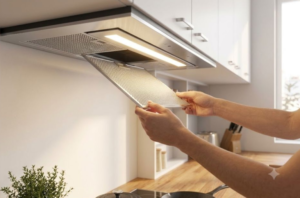
Like any kitchen appliance, an under-cabinet range hood performs best when maintained regularly. Filters are particularly important because they capture grease and other airborne particles generated during cooking. Depending on the type of filter and cooking frequency, cleaning or replacement may be required on a routine basis.
The exterior should also be wiped down periodically to prevent grease buildup and maintain a clean appearance. Consistent maintenance helps preserve airflow efficiency and can extend the lifespan of the ventilation system. Establishing a simple cleaning schedule makes it easier to keep the hood operating effectively throughout the year.
Potential Limitations to Consider
While under-cabinet range hoods offer many advantages, they may not be the ideal solution for every kitchen. Ventilation performance varies between models, and some households with heavy cooking demands may require higher-capacity systems.
Ducted installations can also present challenges if the home lacks a suitable venting route. In addition, noise levels differ across products, particularly when operating at higher fan speeds. These factors do not necessarily make under-cabinet models less effective, but they highlight the importance of selecting a unit that aligns with the kitchen’s specific requirements and cooking habits.
Common Mistakes to Avoid When Choosing a Range Hood
Several common mistakes can affect the overall effectiveness of a ventilation system.
- Choosing a hood that is too small for the cooktop
- Ignoring airflow capacity requirements
- Overlooking noise ratings
- Failing to consider ongoing maintenance needs
- Not planning for proper ventilation routing
Avoiding these issues can help homeowners make a more informed decision and reduce the likelihood of performance concerns after installation.
Conclusion
An under-cabinet range hood is a practical investment for homeowners who want to improve kitchen ventilation without sacrificing valuable cabinet space. By helping remove smoke, steam, grease, and cooking odors at the source, it contributes to a cleaner, more comfortable cooking environment while supporting better indoor air quality. With options available for both ducted and ductless installations, these range hoods can suit a wide variety of kitchen layouts and cooking habits.
Choosing the right model involves considering factors such as airflow capacity, noise level, size, and maintenance requirements to ensure long-term performance. Whether you’re upgrading an older kitchen or planning a new one, selecting a well-designed ventilation system can make everyday cooking more enjoyable. For those exploring modern kitchen ventilation solutions, Ciarra Appliances offers a range of under cabinet models with features designed to meet different household needs.
Frequently Asked Questions
1. What are the benefits of an under-cabinet range hood?
An under-cabinet range hood helps remove smoke, steam, grease, and cooking odors while improving kitchen ventilation. It also saves space by fitting beneath existing cabinets, making it ideal for both small and modern kitchens.
2. What CFM is best for an under-cabinet range hood?
The ideal CFM (cubic feet per minute) depends on your cooking habits. Light cooking may only require 200–300 CFM, while frequent frying, grilling, or high-heat cooking often benefits from 400 CFM or more.
3. Can an under-cabinet range hood be installed without a duct?
Yes. Many under-cabinet range hoods are available in ductless models that use charcoal filters to clean and recirculate the air. They are a practical option when external venting is not possible.
4. How long does an under-cabinet range hood typically last?
With regular cleaning and proper maintenance, a quality under-cabinet range hood can last 10 to 15 years or longer, depending on the model, usage, and maintenance routine.
5. Is an under-cabinet range hood suitable for small kitchens?
Yes. Its compact, space-saving design makes it an excellent choice for apartments, condos, galley kitchens, and other smaller spaces where preserving cabinet storage is important.