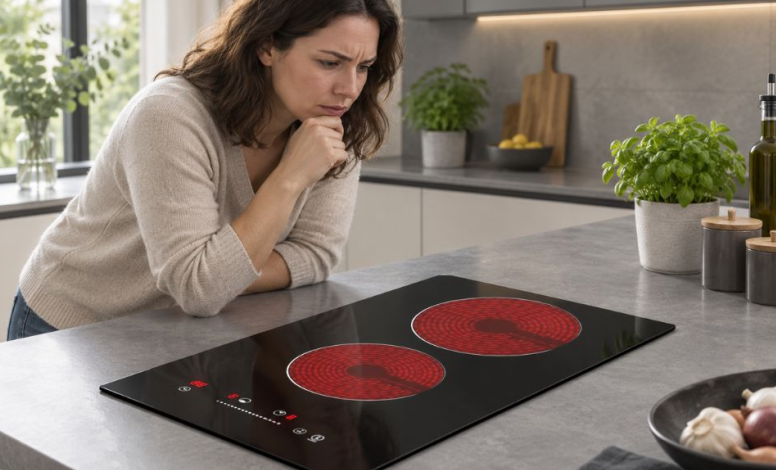
Ceramic hobs have become a popular choice in modern kitchens because they offer a sleek appearance, smooth surfaces, and convenient cleaning compared with traditional cooking appliances. However, like any electrical kitchen equipment, they can develop performance issues over time. From heating problems and control failures to surface damage, these issues can affect cooking efficiency and everyday convenience.
Understanding the most common ceramic hob problems can help homeowners identify simple causes, apply safe solutions, and know when professional assistance may be required. Many problems are linked to cookware choices, cleaning habits, or regular wear rather than serious faults. This guide explains common issues, why they happen, and practical steps to troubleshoot them safely.
Quick Troubleshooting Checklist Before Fixing Ceramic Hob Problems
Before trying to fix ceramic hob issues, it is helpful to check a few basic things first. Many common problems are caused by simple factors such as cookware compatibility, surface cleanliness, or temporary power interruptions. A quick inspection can help identify the cause and prevent unnecessary repairs.
Before troubleshooting your ceramic hob, check:
- Is the hob properly connected to the power supply?
- Is the cookware suitable for a ceramic cooking surface?
- Is the hob surface clean, dry, and free from food residue?
- Is there an error code or warning message displayed?
- Are other cooking zones working correctly?
These basic checks can help determine whether the problem is easy to resolve or requires professional assistance. Always follow safety precautions and avoid attempting electrical repairs if you are unsure about the cause.
Why Ceramic Hob Problems Happen
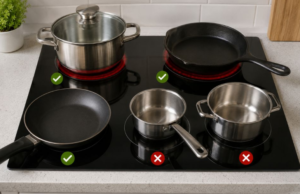
Ceramic hob problems can occur for several reasons, including daily usage patterns, unsuitable cookware, poor maintenance, and natural component wear. Using pans with uneven bases can prevent proper heat transfer, while dragging heavy cookware across the surface may create scratches or damage. Spilled food and grease can also affect performance if they are not cleaned correctly.
Electrical components, sensors, and heating elements may gradually lose efficiency as the appliance gets older. Regular maintenance, using compatible cookware, and following manufacturer recommendations can reduce many common issues. Identifying the cause early is important because small problems can sometimes develop into larger repairs if ignored.
10 Common Ceramic Hob Problems and How to Fix Them
1. Ceramic Hob Is Not Heating Properly
One of the most common ceramic hob problems is when a cooking zone fails to heat or does not reach the expected temperature. This can make cooking slower and may indicate issues with the heating element, power connection, or cookware compatibility.
Before assuming the hob has a major fault, check whether the pan is suitable for ceramic surfaces and whether other cooking zones work correctly. A loose electrical connection or damaged heating component may require professional inspection. Keeping cookware clean, flat, and correctly sized can also help maintain consistent heating performance.
2. Ceramic Hob Takes Too Long to Heat
A ceramic hob that heats slowly can be frustrating, especially during regular cooking. This issue may happen because of unsuitable cookware, incorrect pan size, or reduced efficiency from aging heating elements.
Using flat-bottom pans that match the cooking zone allows heat to transfer more effectively. Avoid using damaged or warped cookware because it can create uneven contact with the surface. If heating remains slow even with suitable pans, the appliance may need further troubleshooting.
3. Ceramic Hob Heating Unevenly
Uneven heating is another common ceramic hob problem that can affect cooking results. You may notice that one area of the pan becomes hotter than another, causing food to cook inconsistently. This issue is often related to cookware quality, incorrect pan placement, or problems with the heating zone itself.
Using pans with a completely flat base helps ensure better contact with the ceramic surface. Cookware that is too small or too large for the selected cooking zone may also prevent efficient heat distribution. In some cases, uneven heating may indicate a worn heating element or internal component issue. Regularly checking cookware condition and using the correct pan size can help maintain more consistent cooking performance.
4. Touch Controls Are Not Responding
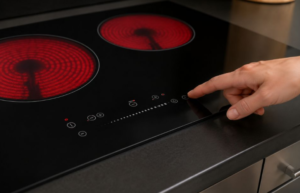
Modern ceramic hobs often include touch-sensitive controls, but these controls can sometimes stop responding properly. This problem may occur when the control area is covered with moisture, grease, food residue, or other debris that interferes with the sensors.
Start by turning off the hob and cleaning the control panel with a suitable soft cloth. Make sure the surface is completely dry before trying again. Some models may also require a power reset to restore normal operation. If the touch controls remain unresponsive after cleaning and restarting, the issue could involve the sensor system or electrical components, which may need professional attention.
5. Ceramic Hob Keeps Switching Off
A ceramic hob that repeatedly switches off during cooking can be inconvenient and may indicate a safety feature or technical problem. Many appliances automatically shut down when they detect overheating, excessive usage time, or unusual operating conditions.
First, allow the hob to cool completely before testing it again. Check that ventilation areas are not blocked and that cookware is not causing excessive heat buildup. If the hob continues switching off without an obvious reason, there may be an issue with temperature sensors, electrical connections, or internal controls. Avoid repeatedly forcing the appliance to restart because ongoing faults can become more serious over time.
6. Error Codes Appear on the Display
Error codes are designed to alert users when the ceramic hob detects a problem. While these codes can seem confusing, they often help identify issues related to temperature sensors, power supply, controls, or internal components.
The meaning of each error code depends on the manufacturer and model, so checking the user manual is usually the best first step. A simple power reset may clear temporary faults, but repeated error messages should not be ignored. If the same code appears frequently or affects normal cooking, professional diagnosis may be necessary. Addressing error codes early can help prevent further damage and maintain safe appliance operation.
7. Cracks or Damage on the Ceramic Glass Surface
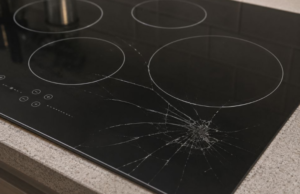
Cracks or visible damage on a ceramic hob surface are among the most serious problems homeowners may experience. While small marks or surface scratches may only affect appearance, cracks can create safety concerns because the glass surface is designed to withstand controlled heat, not structural damage.
Cracks may occur due to dropping heavy objects, sudden temperature changes, or using unsuitable cookware. If the ceramic glass becomes cracked, it is safer to stop using the hob until the damage has been assessed. Continuing to cook on a damaged surface may increase the risk of further breakage or electrical problems. A damaged glass panel usually requires professional repair or replacement rather than simple cleaning solutions.
8. Scratches and Marks Appear on the Surface
Scratches and stubborn marks are common ceramic hob problems that usually result from everyday use rather than serious faults. Sliding heavy pans across the surface, using abrasive cleaning products, or allowing food particles to remain underneath cookware can gradually damage the smooth glass finish.
Although minor scratches may not affect cooking performance, they can make the hob look worn and become harder to clean. To prevent further marks, always lift cookware instead of dragging it and use cleaning products designed specifically for ceramic surfaces. Removing spills after the hob has cooled and avoiding rough materials can help maintain the appearance and condition of the appliance.
9. Ceramic Hob Is Difficult to Clean
A ceramic hob is designed to be easier to clean than many traditional cooking surfaces, but burnt food, grease buildup, and incorrect cleaning methods can make maintenance challenging. Residue left on the surface for long periods can become harder to remove and may affect the overall appearance of the hob.
For better results, allow the surface to cool before cleaning and use a soft cloth with a suitable ceramic hob cleaner. A dedicated scraper can help remove stubborn residue without causing unnecessary damage when used correctly. Avoid harsh chemicals, steel wool, or rough cleaning tools because they may create scratches and reduce the lifespan of the surface.
10. Ceramic Hob Makes Unusual Sounds
Unusual sounds from a ceramic hob can sometimes be concerning, but not every noise indicates a serious problem. Some sounds may occur naturally as materials expand and contract during heating and cooling. However, repeated clicking, buzzing, or unusual electrical sounds may require closer attention.
If the noise is accompanied by performance issues, burning smells, or repeated shutdowns, it may indicate an internal electrical or component problem. Checking the cookware placement and ensuring the hob is installed correctly can help rule out simple causes. When unusual sounds continue, professional inspection is recommended to maintain safe operation and prevent potential damage.
How to Prevent Common Ceramic Hob Problems
Preventing ceramic hob issues is often easier and more affordable than dealing with repairs after problems appear. Regular cleaning, careful cookware selection, and proper usage habits can significantly improve the performance and lifespan of a ceramic hob. Using flat-bottom cookware that matches the cooking zone helps maintain efficient heat distribution, while avoiding heavy impacts protects the glass surface from damage.
Choosing reliable ceramic hobs with suitable heating technology and safety features can also help reduce common cooking issues and provide a better long-term experience. Brands such as Ciarra gadgets focus on practical kitchen solutions designed around everyday cooking needs. However, regardless of the appliance type, regular maintenance remains one of the most effective ways to prevent problems.
Simple habits that can protect your ceramic hob include:
- Cleaning spills after the surface has cooled
- Avoiding abrasive cleaning products
- Lifting cookware instead of dragging it
- Checking for cracks or unusual performance changes
Following these steps helps keep the appliance working efficiently and reduces the chance of unexpected faults.
When Should You Call a Professional for Ceramic Hob Problems?
While some ceramic hob issues can be solved with basic troubleshooting, certain problems require professional attention. Electrical faults, damaged components, or safety concerns should not be ignored because incorrect repairs can create additional risks.
You should consider contacting a qualified technician if the hob has a cracked glass surface, repeatedly switches off, produces a burning smell, shows persistent error codes, or fails to heat despite basic checks. Professional inspection is also recommended when internal parts such as heating elements or sensors appear to be faulty. Getting expert help at the right time can prevent further damage and ensure the appliance remains safe to use.
Conclusion
Ceramic hob problems can affect cooking performance, but many common issues can be managed with proper care, early troubleshooting, and safe usage habits. From heating problems and unresponsive controls to surface damage and error messages, understanding the cause behind each issue helps homeowners make better decisions.
Regular cleaning, using suitable cookware, and paying attention to warning signs can extend the lifespan of a ceramic hob and reduce the need for costly repairs. However, serious concerns such as cracks, electrical faults, or repeated failures should always be handled by a qualified professional. By following practical maintenance steps and using the appliance correctly, homeowners can enjoy safer, more efficient cooking for years.
FAQ
Why is my ceramic hob not heating properly?
A ceramic hob may not heat properly because of unsuitable cookware, power supply issues, damaged heating elements, or internal component problems. Checking the pan type, cleaning the surface, and testing other cooking zones can help identify simple causes before professional repair is needed.
Why does my ceramic hob keep switching off?
A ceramic hob may repeatedly switch off because of overheating protection, sensor issues, blocked ventilation, or electrical faults. Allowing the appliance to cool, checking cookware placement, and reviewing error messages can help determine the cause.
Can a cracked ceramic hob be repaired?
A cracked ceramic hob surface usually cannot be repaired safely with simple fixes. Because cracks may create safety risks, the appliance should stop being used until it has been inspected or the damaged glass panel has been replaced.
How do I clean a ceramic hob without damaging it?
Clean a ceramic hob using a soft cloth and suitable ceramic surface cleaner after the appliance has cooled. Avoid abrasive products, steel wool, and harsh chemicals because they can scratch the glass surface.
How long do ceramic hobs usually last?
A ceramic hob can last many years when it is properly maintained. Lifespan depends on build quality, frequency of use, cleaning habits, cookware choices, and whether small problems are addressed early.