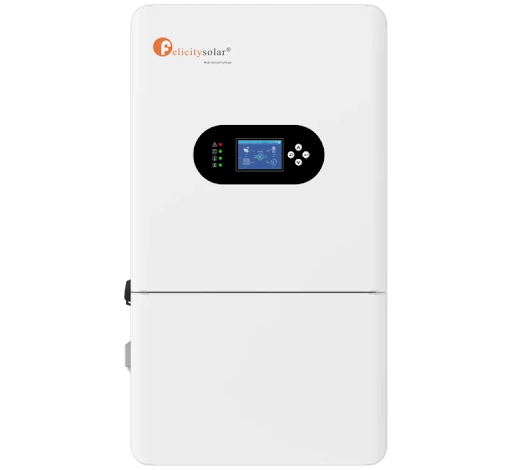
In the rapidly evolving landscape of renewable energy, where homeowners and businesses alike are seeking greater energy independence and resilience, the hybrid solar inverter has emerged as the intelligent heart of modern solar-plus-storage systems. This sophisticated device represents a significant advancement over traditional solar inverters, combining the functionality of a solar inverter with the capabilities of a battery inverter into a single, integrated unit that manages the flow of electricity between solar panels, battery storage, and the utility grid. The hybrid solar inverter is not merely a piece of hardware but rather a smart energy management platform that continuously optimizes how energy is generated, stored, and consumed, enabling users to maximize their solar self-consumption, reduce electricity bills, and maintain power during grid outages. The industry that designs and manufactures these devices has evolved dramatically, with companies offering increasingly advanced solutions that incorporate multiple MPPT trackers, high-voltage battery inputs, and sophisticated energy management software that can coordinate with electric vehicle charging, heat pumps, and other smart loads. The global market for hybrid solar inverters continues its robust growth trajectory, driven by rising electricity prices, falling battery costs, and growing concerns about grid reliability, with the market expected to reach substantial valuations in the coming years. Understanding the technology, applications, and selection criteria for hybrid solar inverters is essential for homeowners, business owners, and solar professionals who recognize that intelligent energy management is key to maximizing the value of solar investments.
The Architecture and Operational Principles of Hybrid Inverters
The hybrid solar inverter operates on a fundamentally different principle than traditional solar inverters, integrating the functions of solar conversion and battery management into a single, cohesive system that intelligently orchestrates the flow of electricity. Unlike standard solar inverters that only convert DC power from solar panels to AC power for immediate use or export to the grid, the hybrid solar inverter also manages the charging and discharging of connected battery storage, enabling the capture and storage of excess solar energy for later use. The internal architecture of the hybrid solar inverter typically features a DC-DC converter that charges the battery directly from the solar panels without an additional AC conversion step, achieving high round-trip efficiencies of 95 to 97 percent for DC-coupled configurations. This DC-coupled architecture provides a clear efficiency advantage for new installations where solar and storage are deployed together, while AC-coupled configurations offer retrofit-friendly solutions for adding batteries to existing solar systems. The hybrid solar inverter also incorporates advanced power electronics, with many modern units using silicon carbide semiconductors to achieve conversion efficiencies exceeding 99 percent, reducing conversion losses by approximately 10 percent compared with conventional architectures. The seamless integration of solar and battery management within the hybrid solar inverter enables sophisticated operational modes, including time-of-use optimization where the system charges batteries during off-peak periods and discharges during peak rate periods, maximizing economic value.
The Advanced Features and Capabilities of Modern Hybrid Inverters
Modern hybrid solar inverters are equipped with a range of advanced features that enhance system performance, flexibility, and reliability, making them suitable for diverse residential and commercial applications. The multiple MPPT trackers found on leading hybrid solar inverters enable the connection of multiple solar arrays with different orientations and tilts, maximizing energy harvest from complex roof structures and allowing installers to manage multi-orientational layouts without requiring external optimizers . The wide input voltage range of many hybrid solar inverters, typically starting at 120 or 150 volts and extending to 950 or 1000 volts, ensures compatibility with a broad range of solar modules and maximizes daily generation hours even under low-light conditions . The dual independent battery inputs featured on some hybrid solar inverters allow the connection of two separate battery stacks directly to the inverter without external combiner boxes, providing flexibility in system design and expansion . The backup power capability of hybrid solar inverters is one of their most compelling features, with many units providing seamless transition to off-grid operation in less than 10 milliseconds and surge capacity to handle heavy loads such as motors and compressors . The integrated energy management software of hybrid solar inverters supports intelligent features such as dynamic pricing optimization, PV generation forecasting, and connectivity with approved third-party energy management systems, enabling the inverter to coordinate with electric vehicle charging, heat pumps, and smart loads .
The Economic Drivers and Market Dynamics
The accelerating adoption of hybrid solar inverters is being driven by powerful economic and market forces that make intelligent solar-plus-storage systems increasingly attractive to consumers and businesses. The declining cost of lithium-ion batteries has been a critical factor, with battery prices falling dramatically over the past decade, making storage economically viable for a growing number of applications . The rising cost of grid electricity has also fueled demand for hybrid solar inverters, because these systems enable users to maximize self-consumption of solar energy and shift consumption away from expensive peak periods, delivering significant savings on electricity bills. The growing concern about grid reliability has made backup power capability a key selling point, because hybrid solar inverters can maintain power during outages, protecting homes and businesses from costly interruptions. The supportive government policies across major markets, including tax incentives, feed-in tariffs, and net-metering frameworks, have enhanced the investment appeal of hybrid solar inverters and accelerated market growth. The global hybrid solar inverter market is substantial and growing, valued at USD 11.3 billion in 2024 and projected to grow at a compound annual growth rate of 8.5 percent to reach USD 23.55 billion by 2033. The residential segment represents the dominant application, driven by increasing consumer demand for energy independence and cost savings, while commercial and industrial applications are also growing rapidly as businesses seek to manage electricity costs and enhance operational resilience.
The Future Trends and Innovations in Hybrid Inverter Technology
The hybrid solar inverter is poised for continued innovation, with several emerging trends shaping the future of solar-plus-storage technology and expanding the capabilities of these intelligent devices. The integration of artificial intelligence and machine learning into hybrid solar inverters is enabling predictive optimization, where the system learns consumption patterns, forecasts solar generation, and automatically optimizes charging and discharging cycles to maximize savings and efficiency. The emergence of AI-driven smart energy management is transforming hybrid solar inverters into intelligent platforms that can coordinate with electric vehicle charging, heat pumps, and other smart loads, enabling holistic home and business energy management . The development of modular, scalable hybrid solar inverters is enabling expansion over time, with systems designed to support parallel connection of multiple units and expandable battery inputs, accommodating growing energy needs. The advancement of grid-forming capabilities is enabling hybrid solar inverters to support microgrids and virtual power plants, where distributed solar-plus-storage systems are coordinated to provide grid services and enhance grid stability. The emergence of software-defined energy storage is enabling increasingly sophisticated optimization and control, with cloud-connected platforms providing remote monitoring, predictive maintenance, and continuous performance improvement. The future of the hybrid solar inverter is one of continuous innovation, driven by the needs of consumers and businesses for greater energy independence, cost control, and sustainability, and the companies that embrace these technologies will be well-positioned to lead the solar revolution .