Risk assessments are often treated as documents that need to be completed, filed and revisited only when someone asks to see them. In practice, their value is much greater when they are used as active management tools. A good assessment helps a business understand where hazards exist, who could be affected and what controls are needed to keep people and property safe. The strongest approach is therefore not simply to satisfy a compliance requirement, but to use the findings to guide practical decisions, staff responsibilities and future reviews.
Start With How the Building Is Actually Used
Every workplace, residential building and public-facing property has its own pattern of use. A small office, a multi-occupied residential block and a busy event space may share some risks, but the people, activities and evacuation challenges can be very different. Effective assessment begins by understanding the property itself, who enters it, how different areas are used and whether any occupants may need additional support in an emergency.
A fire risk assessment Croydon property managers arrange should therefore be specific to the building rather than based on a generic checklist. Ablemarsh, which is based in Croydon and works across London and the South East, describes its fire risk assessment process as a detailed review of ignition sources, fuel, possible fire spread routes and the people using the premises. This type of site-specific review helps turn a legal requirement into a practical plan for reducing risk.
Fire Safety Depends on More Than Equipment
Fire alarms, extinguishers and emergency lighting are important, but fire safety management also depends on procedures and human behaviour. Staff and residents need to understand what to do if a fire occurs, escape routes must remain usable and responsibilities should be clearly assigned. A well-maintained building can still perform poorly in an emergency if nobody understands the evacuation arrangements or if routine checks are neglected.
This is why a fire risk assessment should consider both physical conditions and management systems. It may identify issues involving fire doors, signage, alarm coverage, evacuation procedures or staff training. The findings should then be prioritised so that higher-risk issues are dealt with first rather than leaving every recommendation on the same level.
Legionella Risk Requires a Different Type of Review
Water systems introduce a different category of risk. Legionella bacteria can multiply in certain water conditions, particularly where temperatures, stagnation or system design create favourable circumstances. The purpose of a legionella risk assessment is to identify where those conditions may exist and whether the building’s controls are adequate.
The assessment may consider stored water, temperature control, outlets that are rarely used and parts of the system where water can remain stagnant. The exact scope depends on the property and the water system. What matters is that the assessment identifies realistic control measures and that those controls are actually followed after the report is issued.
Risk Assessments Need Clear Ownership
A common weakness in health and safety management is that recommendations are recorded but nobody is clearly responsible for completing them. A useful report should make it easy to understand what action is required, who will deal with it and how progress will be checked. Without ownership, even straightforward improvements can remain unresolved for months.
Businesses and property managers can improve follow-through by creating an action log from the assessment. High-priority items can be assigned deadlines, while lower-risk improvements can be scheduled into maintenance plans. This creates a simple system for turning recommendations into completed actions rather than allowing the report to sit unread.
Changes to the Property Can Change the Risk
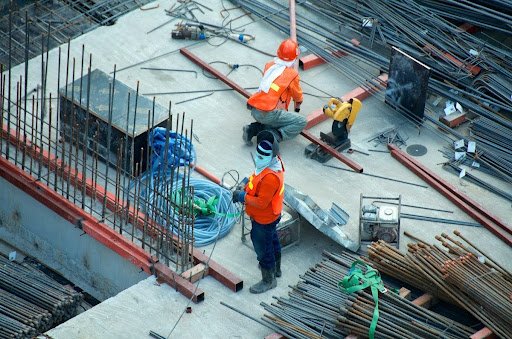
Risk assessments should not be treated as permanent documents. A change in layout, occupancy, equipment, staffing or building use can alter the hazards that were originally identified. Construction work, refurbishment and changes to access routes can also affect evacuation and general safety arrangements.
Regular review is therefore important even when no major incident has occurred. The purpose of a review is to confirm that existing controls still work and that new hazards have not been introduced. It also provides an opportunity to close completed actions and record new responsibilities where necessary.
Competence Matters When the Risk Is Complex
Some organisations can manage straightforward risk assessments internally, particularly where the hazards are simple and staff have appropriate knowledge. More complex premises may require specialist input. Fire safety, construction activities and water-system risks can involve technical factors that are easy to overlook without relevant training and experience.
Using an independent competent person can also provide a more objective view. Someone who is familiar with the site every day may become accustomed to conditions that an external assessor immediately recognises as a concern. External review does not remove management responsibility, but it can strengthen decision-making by providing specialist evidence and clearer priorities.
Good Reporting Should Make Action Easier
A useful risk assessment report should be understandable to the people who need to act on it. Excessive technical language can make recommendations harder to implement, especially for small businesses or property managers without specialist health and safety teams. Reports should explain the issue, the level of risk and the practical steps needed to improve control.
Photographs can be valuable where they help identify a specific location or defect. Clear recommendations are also more useful than vague statements such as ‘improve fire safety.’ The aim is to leave the client with an action plan that can be followed, checked and reviewed over time.
Combine Different Assessments Into One Management System
Fire, legionella and general workplace risks are usually assessed separately because they require different expertise, but the resulting actions should still fit into one overall management system. A property manager should be able to see which issues are outstanding across all assessments, who owns each action and when reviews are due.
This integrated approach reduces duplication and makes compliance easier to maintain. It also helps identify where one improvement supports several areas at once. Better maintenance records, staff training and clearer responsibilities can strengthen fire safety, water management and general workplace risk control simultaneously.
Local Knowledge Can Improve Practical Recommendations
For organisations seeking a legionella risk assessment Croydon, choosing an assessor who understands local property types and works regularly across the area can make recommendations more practical. Ablemarsh operates from Croydon and provides a range of independent health and safety services across London and the South East, including fire risk assessments, general risk assessments and competent-person support. That breadth can be useful where a building has several overlapping compliance needs rather than one isolated issue.
The strongest risk management process is continuous rather than reactive. Assess the hazards, record clear actions, assign responsibility, review changes and repeat the process when the building or its use evolves. When assessments are treated this way, they become more than paperwork. They become a practical framework for protecting people, maintaining compliance and reducing the likelihood that small issues develop into serious incidents.