There’s a particular kind of hesitation that comes with getting back into a car after a long gap. You’ve got a licence, technically you know how to drive, but something about approaching a roundabout or merging into traffic feels less automatic than it used to. That’s exactly what refresher automatic driving lessons in Nottingham are built for — not starting over, just getting back to where you were.
Why Confidence Fades Faster Than People Expect
It doesn’t take years away from driving for things to feel unfamiliar again. Sometimes six months is enough. Roundabouts that once felt routine start needing more conscious thought. Motorway merging, which used to happen almost without thinking, suddenly feels like something to brace for.
This isn’t a sign you were never a good driver. It’s simply what happens to any skill that goes unused for a while — the underlying knowledge is still there, but the automatic, unthinking part of it needs waking back up.
Common Reasons People Come Back to Refresher Lessons
A few situations come up again and again with returning drivers:
- Passing a test years ago and barely driving since, whether due to not owning a car, relying on public transport, or simply not needing to
- Moving back to UK roads after driving abroad, where road layouts, signage, and driving conventions can differ enough to knock confidence
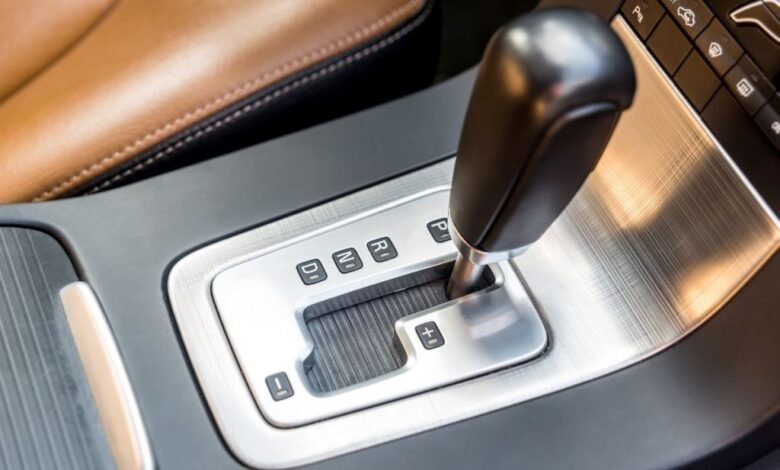
- Switching from a manual licence to driving an automatic car, which changes the physical experience of driving even for an experienced driver
- A stressful experience behind the wheel that led to avoiding driving altogether for a while afterward
None of these situations mean starting from zero. They just mean specific gaps need addressing before confidence properly returns.
Switching From Manual to Automatic as a Qualified Driver
This is one of the most common reasons for booking refresher lessons, and it’s often simpler than people expect. If you hold a full manual licence, you’re already legally entitled to drive an automatic without retesting — the adjustment is really about comfort rather than legality.
Key Point: Removing clutch control doesn’t complicate driving for an experienced driver — if anything, it simplifies it. The main adjustment is just getting used to one-pedal habits and features like creep or kickdown that don’t exist in a manual car.
For learners currently partway through lessons who decide automatic suits them better, or for qualified drivers making the switch for the first time, automatic driving lessons in Nottingham can be tailored specifically around this transition rather than treating it as a completely new learning process.
What a Refresher Lesson Actually Focuses On
Because you’re not learning from scratch, refresher lessons work differently from standard tuition. Rather than working through a fixed beginner syllabus, a good instructor will usually ask what feels uncomfortable first, then build sessions around those specific areas.
This often means concentrated practice on roundabouts and busier junctions, dual carriageway or motorway confidence, parking and manoeuvres that have gone rusty from lack of use, and general road awareness after time away. It’s targeted rather than exhaustive — the goal is closing specific gaps, not repeating everything you already know.
Practising Local Roads Specifically
There’s real value in refreshing skills on the actual roads you’ll be driving day to day, rather than generic practice anywhere convenient. Nottingham’s mix of city-centre junctions, ring-road merging, and residential roundabouts each present slightly different challenges, and getting comfortable with the specific routes you’ll actually use makes the whole process more relevant than abstract practice elsewhere.
This is particularly useful if you’re returning to driving after living somewhere else, or after a break long enough that local road layouts have changed since you last drove regularly.
How Long Does It Usually Take?
There’s no fixed number of hours that applies to everyone. Someone who’s only been away from driving for a few months and just wants to shake off some rust might need only a couple of sessions. Someone returning after several years, or switching from manual to automatic after decades of driving one way, might reasonably want a slightly longer block to feel genuinely comfortable again.
The honest answer is that it depends entirely on the gap and how confident you felt before it started. A good instructor should be willing to assess this properly rather than selling a fixed package regardless of your actual starting point.
If Nerves Have Crept Back In
It’s worth acknowledging directly — some returning drivers find that time away hasn’t just affected their technical skills, it’s also brought back a level of nervousness that wasn’t there when they first passed. This is more common than people admit, and it’s nothing to be embarrassed about.
If that’s the case, the same patient, gradual approach used with nervous learners generally applies here too. There’s no reason to rush back into busy roads before you feel ready, even if you’ve technically driven those same roads confidently in the past.
Choosing the Right Instructor for a Refresher
Not every driving school treats refresher lessons the same way. It’s worth checking whether an instructor will actually assess your current level honestly before suggesting a package, rather than defaulting to a generic number of hours regardless of your situation. It’s also worth asking whether they’re comfortable working specifically with returning or switching drivers, since this requires a slightly different teaching approach than working with a complete beginner.
Bringing It Together
Getting back behind the wheel after a break doesn’t need to feel like starting over. NGPass Driving Academy offers refresher sessions built around whatever specific gap or hesitation a returning driver is dealing with, whether that’s a long break from driving altogether, a move back to Nottingham roads, or a switch from manual to automatic.
Final Thoughts
Confidence that’s faded doesn’t take as long to rebuild as people often fear. A handful of properly targeted sessions, focused on whatever specifically feels uncertain, usually gets returning drivers back to where they were considerably faster than starting from scratch ever would.