Why Palm Beach Homeowners Are Rethinking Their Approach to Backyard Wildlife

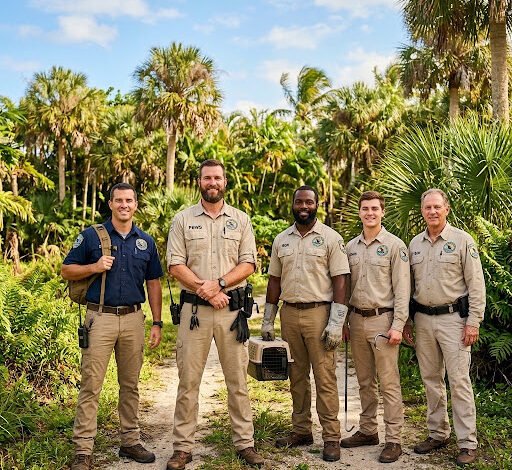
South Florida’s warm climate makes for gorgeous year-round living, but it also creates an inviting habitat for wildlife that often outstays its welcome. Raccoons rummaging through garbage cans, iguanas basking on pool decks, and squirrels nesting in attics have become a familiar (if unwelcome) part of life for many Palm Beach residents.
While these encounters might seem like minor nuisances at first, they can quickly escalate into costly property damage, health hazards, and ongoing frustration. The good news? Homeowners no longer have to handle these situations alone or resort to ineffective DIY solutions.
This post explores why wildlife encounters are becoming more frequent in Palm Beach, what risks they pose to your home and family, and how professional intervention can restore comfort and safety to your outdoor spaces.
Why Is Wildlife Activity Increasing in Palm Beach Neighborhoods?
Palm Beach’s subtropical climate supports year-round breeding cycles for many species, meaning there’s rarely a “quiet season” when it comes to wildlife activity. Combine that with ongoing suburban development pushing into natural habitats, and animals are increasingly seeking food and shelter in residential areas.
Raccoons, in particular, thrive in urban and suburban environments because they’re highly adaptable omnivores. They’ll eat almost anything, from pet food left outside to fruit fallen from backyard trees. Iguanas, an invasive species in Florida, have also multiplied rapidly due to the state’s warm temperatures and abundant vegetation, often digging burrows that undermine seawalls, sidewalks, and foundations.
For homeowners, this means the occasional wildlife sighting has turned into a recurring challenge that requires more than just patience to solve.
What Damage Can Unwanted Wildlife Cause to Your Property?
It’s easy to underestimate how much damage a small animal can do until you’re facing the repair bill. Raccoons are notorious for tearing through roof shingles and soffits to access attics, where they can chew through electrical wiring and insulation. This creates fire hazards and can lead to thousands of dollars in repairs.
Iguanas cause a different kind of destruction. Their burrowing habits can weaken seawalls and erode landscaping, while their droppings can carry salmonella, posing a health risk to families and pets. Squirrels and rodents, meanwhile, are known for gnawing through wood, wiring, and even PVC piping in search of nesting materials.
Beyond structural damage, many of these animals carry parasites and diseases that can spread to household pets or, in rare cases, humans. Left unaddressed, a small wildlife problem can turn into a significant health and safety concern.
Why DIY Wildlife Removal Often Falls Short
Many homeowners try to handle wildlife issues themselves, whether through store-bought traps, home remedies, or simply hoping the problem resolves on its own. Unfortunately, these approaches rarely provide lasting results.
Trapping and relocating wildlife requires knowledge of local regulations, humane handling practices, and species-specific behavior. Without this expertise, DIY efforts can be ineffective or even dangerous. Raccoons, for example, can be aggressive when cornered, and iguanas have sharp claws and teeth capable of inflicting serious injury.
There’s also the issue of exclusion. Simply removing an animal doesn’t prevent others from moving in through the same entry points. Effective wildlife control requires identifying and sealing access points, something that takes a trained eye to do correctly.
What Should You Look for in a Professional Wildlife Removal Service?
When choosing a professional to help manage wildlife on your property, homeowners should look for a few key qualities. First, experience matters. A company with a strong track record understands the behavioral patterns of local species and knows how to handle each situation safely and humanely.
Second, comprehensive service offerings make a difference. The best wildlife control providers don’t just remove animals. They also offer exclusion services to prevent future entry, property damage repair, and sanitation treatments to eliminate lingering health hazards.
Finally, transparency and communication are essential. Homeowners deserve clear explanations of the process, timelines, and any preventive measures needed going forward.
How Professional Wildlife Removal Restores Comfort to Your Home
Removing the stress of unwanted wildlife encounters while protecting your property’s long-term value starts with Palm Beach Wildlife Services. Our team combines local expertise with humane, effective methods to address the root cause of infestations, not just the symptoms.
From identifying entry points that raccoons or rodents might exploit to safely relocating iguanas without harming Florida’s delicate ecosystem, every step of the process is designed to give homeowners lasting peace of mind. We understand that no two properties are the same, so our approach is tailored to the specific challenges of your home and its surroundings.
Beyond removal, we focus on prevention. That means sealing vulnerable entry points, recommending landscaping adjustments that discourage wildlife activity, and offering ongoing monitoring for homes in high-risk areas. The goal isn’t just to solve today’s problem, but to help you avoid a repeat situation next season.
Taking the Next Step Toward a Wildlife-Free Home
Living in Palm Beach means embracing the beauty of Florida’s natural surroundings, but it shouldn’t come at the cost of your home’s safety or your family’s peace of mind. Recognizing the signs of wildlife activity early and understanding the risks involved can help you make informed decisions before minor issues become major headaches.
If you’ve noticed unusual sounds in your attic, damage to your landscaping, or unexpected visitors sunning themselves by your pool, it may be time to explore professional support. Taking action now can save you significant time, money, and stress down the road.
Frequently Asked Questions
How do I know if I have a raccoon problem versus another type of wildlife?
Raccoons typically leave behind distinct signs such as torn insulation, scattered garbage, and paw prints near entry points. Scratching or thumping noises in the attic, particularly at night, are also common indicators.
Are iguanas dangerous to have around my property?
While iguanas are generally not aggressive toward humans, they can carry salmonella and cause structural damage through burrowing. It’s best to have them removed by professionals familiar with safe handling practices.
Can I prevent wildlife from returning after removal?
Yes. Sealing entry points, removing accessible food sources, and maintaining trimmed landscaping can significantly reduce the likelihood of future wildlife issues.
Is wildlife removal safe for pets and children?
Professional wildlife removal methods are designed to be humane and minimize risk to both pets and family members, especially when compared to DIY traps or chemical repellents.