For fashion brands, retailers, wholesalers, importers, and private label businesses, choosing the right manufacturing partner can have a major impact on product quality, cost, delivery time, and long-term growth. Bag production may appear straightforward from the outside, but every finished product involves multiple decisions related to materials, construction, hardware, branding, sampling, quality control, and packaging. A reliable manufacturing partner should be able to support these stages consistently rather than simply provide the lowest quotation.
Start With Clear Product Requirements
Before contacting a factory, brands should prepare as much product information as possible.
Useful details may include:
- Product dimensions
- Main material
- Lining material
- Zipper type
- Hardware
- Webbing
- Internal compartments
- Logo method
- Packaging
- Order quantity
Technical drawings, specification sheets, physical samples, and clear reference images can all help manufacturers understand the product more accurately. The more complete the information, the easier it is to receive a realistic quotation.
Evaluate Manufacturing Experience
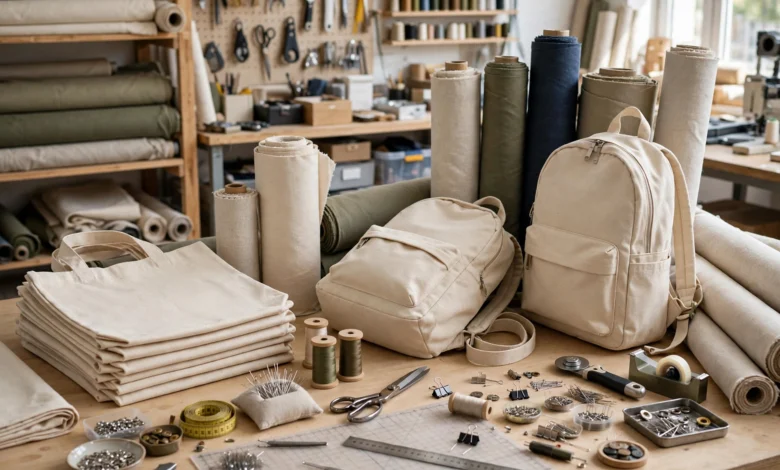
Different bag categories require different construction methods. Backpacks may need padded shoulder straps, reinforcement, foam, mesh, and multiple compartments. Travel bags may require stronger handles and larger zipper openings. Fashion shoulder bags may depend more heavily on shape, hardware, and material appearance. Working with an experienced bag manufacturer can help brands identify potential construction issues before bulk production begins. A capable factory should understand how fabrics, linings, foam, zippers, webbing, hardware, and reinforcement work together within the finished product.
Material Knowledge Matters
Material selection affects appearance, durability, cost, and production efficiency. Canvas, cotton, polyester, nylon, PU, suede, recycled fabrics, and coated materials all behave differently during cutting and sewing. Brands should consider not only the visual appearance of a material but also its weight, coating, abrasion resistance, color consistency, stretch, and availability. Some materials may also have higher minimum order quantities, especially when custom colors or special finishes are required.
Sampling Is an Important Test
A physical sample gives brands the opportunity to evaluate the product before mass production. During sampling, buyers can check dimensions, proportions, material feel, zipper operation, strap length, pocket placement, logo position, and overall balance. This stage is also useful for identifying technical issues. For example, a handle may need additional reinforcement, a zipper opening may need to be adjusted, or a pocket may need to be moved to improve usability. Small changes are much easier to manage during sampling than after production begins.
Customization Should Match the Brand
Private label production can include much more than adding a logo. Brands may customize fabrics, colors, linings, zippers, buckles, metal hardware, labels, embroidery, printing, rubber patches, woven labels, hangtags, and packaging. These details help create a stronger visual identity. For tote bag collections in particular, working with an experienced tote bag manufacturer can help brands balance fabric weight, handle construction, printing, structure, and production cost. Customization should support the target market rather than make the product unnecessarily complicated.
Consider Production Feasibility Early
A successful design should also be practical to manufacture consistently. Complex panel shapes, unusual material combinations, custom hardware, multiple decorative elements, and complicated internal structures can increase production time and cost. This does not mean brands should avoid distinctive designs. Instead, manufacturers and buyers can make small technical adjustments that improve production efficiency without changing the overall design direction.
Quality Control Should Be Defined Before Production
Quality standards should be discussed before bulk manufacturing begins.
These may include:
- Product dimensions
- Fabric color
- Stitch quality
- Seam alignment
- Zipper operation
- Hardware finish
- Strap strength
- Logo position
- Packaging
Incoming materials can be checked before production, while in-process inspections can identify problems before large quantities are completed. Final inspections provide another opportunity to verify that finished products match the approved specifications.
Look Beyond the Lowest Price
The cheapest quotation is not always the best manufacturing option. Different factories may use different fabric weights, zipper grades, hardware, reinforcement methods, lining materials, stitching standards, and packaging. A slightly higher quotation may reflect better materials or more reliable construction. Brands should compare what is actually included rather than looking only at the final unit price.
Long-Term Cooperation Can Improve Efficiency
For brands developing several products or seasonal collections, a stable manufacturing relationship can become increasingly valuable. Once a factory understands the brand's quality standards, preferred materials, packaging, and design direction, future product development can become faster and more efficient. A reliable supplier may also be able to recommend materials, construction improvements, or production methods based on previous orders. This can help reduce development time and improve consistency across different bag categories.
Final Thoughts
Choosing the right bag manufacturing partner requires more than comparing prices. Brands should evaluate experience, material knowledge, sampling ability, customization options, production feasibility, communication, and quality control. A strong manufacturing relationship can help turn design concepts into commercially viable products while reducing unnecessary revisions and production risk.