Charlotte Ivers Biography: Powerful Rise in British Media
From Cambridge debates and Westminster politics to national journalism, restaurant reviews and television criticism, this biography explores Charlotte Ivers’ changing media career.

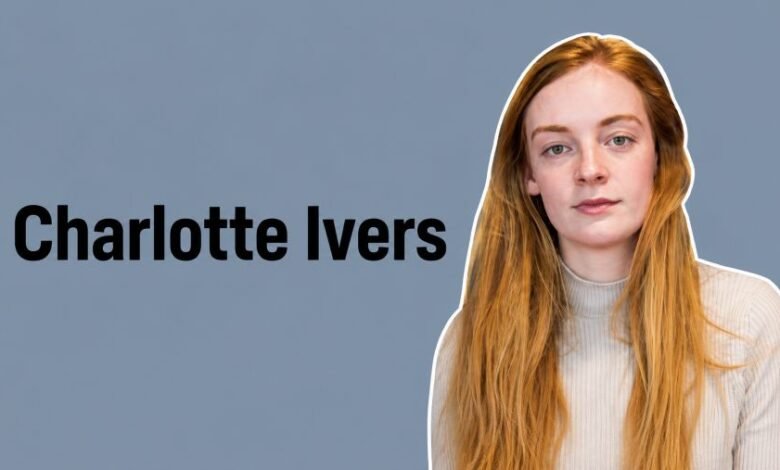
introdution
Charlotte Ivers is a British journalist, columnist, broadcaster and television critic. She is known for combining political knowledge with humour, cultural observation and direct opinions.
Her career has moved through several different areas. She has worked inside Westminster, reported on politics for radio, reviewed restaurants and appeared on well-known British television programmes.
As of June 2026, she works as the television critic and a staff writer for The Sunday Times.
Quick Bio
| Detail | Information |
|---|---|
| Full Name | Charlotte Ivers |
| Date of Birth | March 1, 1995 |
| Age | 31 years old as of 2026 |
| Birthplace | England |
| Nationality | British |
| Profession | Journalist, columnist, broadcaster and critic |
| Education | Pembroke College, University of Cambridge |
| University Subject | History and Philosophy of Science |
| Known For | Political reporting, cultural writing and television criticism |
| Former Position | Political correspondent at Times Radio |
| Previous Sunday Times Role | Restaurant critic |
| Current Position | Television critic and staff writer at The Sunday Times |
| Active Years | 2013–present |
Who Is Charlotte Ivers?
Charlotte Ivers is a journalist who has built a varied career across politics, radio, newspapers and television.
She first gained wider experience through student journalism and political debating at Cambridge. She later entered Westminster, where she worked in government communications before moving into professional reporting.
Her clear and confident broadcast style places her among a younger generation of British journalists who can explain serious subjects to a general audience.
Unlike reporters who remain in one specialist field, Ivers has moved between political news, opinion writing, food criticism and entertainment coverage. This flexibility has become an important part of her public identity.
Why Is Charlotte Ivers Famous?
Ivers is famous for her work as a political correspondent, national newspaper columnist and television panellist.
Many viewers recognise her from appearances on programmes including BBC Question Time and Have I Got News for You. Her television appearances introduced her political analysis and dry humour to a much wider audience.
She also became known as The Sunday Times’ restaurant critic. The role allowed her to write about food, hospitality and British dining culture rather than focusing only on Westminster.
In March 2026, she began a new stage of her career as The Sunday Times’ television critic. Her move into television criticism showed her ability to adapt her writing to new subjects.
Early Life and Family Background
Charlotte Ivers was born in England on March 1, 1995.
She has written publicly about having strong family connections with the west coast of Scotland. Although she was born and educated in England, she has described both Scottish and British identity as meaningful parts of her background.
In an earlier personal essay, she explained that members of her family lived near Glasgow. She also mentioned growing up with four sisters and having a Scottish stepmother.
Her childhood experiences appear to have shaped her interest in identity, politics and the different ways people understand nationality.
The names and professional details of her parents and sisters have not been widely confirmed by reliable public sources. She has generally kept detailed family information separate from her public career.
School and University Education
Ivers attended Dean Close School in Gloucestershire.
During her school years, she developed leadership and communication skills that later became useful in debating, political work and broadcasting.
She continued her education at Pembroke College, University of Cambridge. Her academic subject was History and Philosophy of Science, a course that examines how scientific ideas, institutions and knowledge develop.
University life played an important role in her early career. She wrote for Cambridge student publications, including Varsity and The Tab, covering student affairs, identity and politics.
Her early writing gave her practical newsroom experience before she entered national journalism. It also helped her develop the concise and opinion-led style later seen in her newspaper columns.
Cambridge Union Presidency
Ivers became active in the Cambridge Union, one of Britain’s most famous student debating societies.
She served as treasurer before standing for the presidency. In November 2015, she won the election with 517 votes against 304.
She served as president during Easter Term 2016. The position involved managing debates, inviting speakers and representing the society during a politically active period.
Her campaign supported open debate while also encouraging wider representation within the Union. She argued that difficult or controversial ideas should be challenged through discussion rather than simply avoided.
An official Cambridge Union recording from this period shows her speaking during a debate about the future of the Labour Party.
The presidency was a major early achievement. It provided experience in public speaking, organisation, leadership and dealing with different political viewpoints.
Career Start in Westminster
After university, Ivers entered the world of Westminster politics.
She worked in government communications and was connected with Theresa May’s Downing Street operation. She was later publicly described as having worked as a special adviser during May’s government.
Working inside Westminster allowed her to understand how politicians, advisers and journalists communicate during major national events.
This experience later strengthened her political reporting. She already understood the pressure of government communication, the importance of messaging and the relationship between ministers and the media.
Her movement between political institutions and journalism reflects the wider importance of media leadership in shaping public discussion.
Ivers has also spoken about the difficult power structures faced by young political employees. She has argued that junior workers can enter Westminster with limited experience while working close to much older and more powerful people.
Times Radio Political Correspondent
Ivers later moved from political communications into professional journalism.
She became a political correspondent for Times Radio, covering Westminster, government policy, political parties and important national stories.
Radio reporting required her to explain fast-moving developments clearly and quickly. She appeared in studio discussions, interviewed political figures and offered analysis based on her understanding of Westminster.
Her previous government experience gave her useful knowledge, but her role at Times Radio was different. She was now reporting on political institutions rather than working within them.
This period helped establish her as a recognisable political journalist. It also prepared her for television appearances and newspaper commentary.
The Sunday Times Career
Ivers joined The Sunday Times as a columnist and staff writer.
Her articles have covered politics, culture, personal experiences and social issues. Her writing often combines serious analysis with humour and memorable observations.
She later became the newspaper’s restaurant critic. The appointment represented a surprising change from political reporting, but it demonstrated the range of her interests.
As a restaurant critic, she reviewed food, service, atmosphere and the wider culture surrounding British dining. She also appeared in food and wine discussions connected with Times media.
Her move into lifestyle journalism connected her work with the broader tradition of British television presenters and newspaper writers who cover several areas during their careers.
She remained willing to offer strong opinions, but her reviews were also shaped by humour, personal stories and observations about class and British social life.
Becoming a Television Critic
In February 2026, Ivers announced that she was leaving restaurant criticism for a new position.
She officially became The Sunday Times’ TV critic in March 2026. Her first review in the role was published on March 7.
The review discussed Young Sherlock, Marshals and Love Story: John F. Kennedy Jr. & Carolyn Bessette. She used the programmes to question why television companies increasingly depend on famous franchises and familiar stories.
Her criticism suggested that financial pressure has made television producers less willing to support original ideas. She argued that recognisable brands may attract viewers, but they can also create repetitive entertainment.
Like other journalists and commentators, Ivers mixes analysis with a clear personal voice rather than writing in a distant academic style.
Her television reviews also include references to programmes that influenced her life. She has discussed shows such as Mad Men, Only Fools and Horses, Black Mirror, Skins and Glee.
Television and Media Appearances
Ivers has appeared on BBC Question Time, where she has contributed to discussions about politics, government and British public life.
She has also appeared on Have I Got News for You. Her appearance in April 2023 attracted online attention after a viewer criticised her frequent blinking.
Rather than turning the comment into a serious public dispute, she answered with humour. The response matched the witty style often found in her columns and social-media posts.
She has also appeared in Times Radio videos, podcasts and cultural discussions.
Her move into regular television criticism has strengthened her position as a British media personality rather than someone known only for political correspondence.
Journalism Style and Public Image
Charlotte Ivers is known for a direct, witty and sometimes self-deprecating writing style.
She often uses personal experiences to explain larger cultural or political ideas. This can make serious subjects easier for readers to understand.
Her political background gives her writing an informed view of Westminster. However, her restaurant and television work has allowed her to create a public image beyond party politics.
She can be critical without using complicated language. Her strongest columns usually combine a clear argument, humour and a small personal detail that makes the subject feel more human.
Her career also shows a willingness to take professional risks. Moving from politics to restaurants and then television could have weakened a more narrowly defined career, but it instead demonstrated her range.
Personal Life
Ivers keeps much of her private life outside her journalism.
She has written about relationships and modern adult life in personal columns, but she does not regularly publish detailed information about her home, family routine or finances.
Public wedding announcements in February 2026 identified journalist Josh Glancy as her husband.
No reliable public information confirms that she has children. Claims about her income, net worth, property, body measurements or private lifestyle should not be presented as established facts.
Current Status in 2026
As of June 2026, Charlotte Ivers is working as The Sunday Times’ television critic and staff writer.
Her main responsibilities now include reviewing new television programmes and analysing changes in British and international entertainment.
She continues to maintain a connection with political and cultural journalism. Her career history allows her to approach television not only as entertainment but also as a reflection of business, politics and society.
The position marks another turning point in a career that has already included student journalism, Westminster communications, political radio, newspaper columns and restaurant criticism.
Interesting Facts About Charlotte Ivers
- She won the Cambridge Union presidential election before beginning her national media career.
- She worked inside Westminster before becoming a political correspondent.
- She has written about having both English and Scottish family connections.
- She moved from political reporting into restaurant criticism.
- She became The Sunday Times’ TV critic in March 2026.
- She has appeared on both BBC Question Time and Have I Got News for You.
- Her favourite or personally important programmes include Mad Men and Only Fools and Horses.
- She uses humour and personal memories throughout much of her journalism.
Conclusion
Charlotte Ivers has created an unusual and impressive career across several parts of British media.
She began with student journalism and political debate before gaining direct experience inside Westminster. She then became a political correspondent, national columnist, restaurant critic and television reviewer.
Her success comes from more than political knowledge. She is also able to write about culture, food, television and everyday life in a simple and entertaining way.
Her appointment as The Sunday Times’ TV critic in 2026 opened another important chapter. It confirmed that she is not limited to one subject and can continue developing as British media changes.
Frequently Asked Questions
Who is Charlotte Ivers?
She is a British journalist, broadcaster, columnist and television critic.
How old is Charlotte Ivers?
She is 31 years old as of June 2026.
When was Charlotte Ivers born?
She was born on March 1, 1995.
Where did Charlotte Ivers study?
She studied at Pembroke College, University of Cambridge.
Was Charlotte Ivers president of the Cambridge Union?
Yes, she served as Cambridge Union president during Easter Term 2016.
Did Charlotte Ivers work in politics?
Yes, she worked in government communications and was associated with Theresa May’s Downing Street operation.
What did Charlotte Ivers do at Times Radio?
She worked as a political correspondent covering Westminster and British politics.
What does Charlotte Ivers do now?
She is The Sunday Times’ television critic and a staff writer.