Tosh Chamberlain: The Legacy of an English Footballer and Fulham Icon
"Tosh Chamberlain: A Fulham FC Icon and English Football Legend"

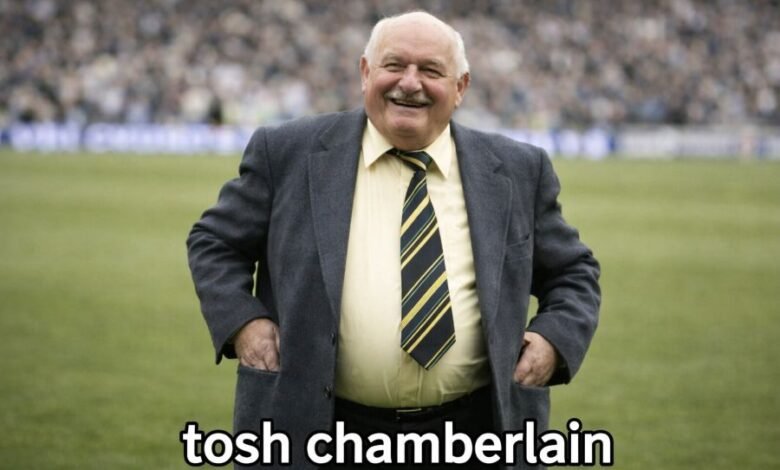
Table of Contents
ToggleIntroduction
Tosh Chamberlain, an English footballer who became a cherished Fulham legend, is remembered for his dynamic playing style, charismatic personality, and dedication to the beautiful game. His journey from the streets of London to the pitch at Craven Cottage left an indelible mark on Fulham Football Club and the hearts of football fans. Chamberlain’s career spanned the golden age of football in the mid-20th century, where he captured the essence of English football with his left-wing flair, energy, and passion for the sport. This article delves into the life and legacy of Tosh Chamberlain, exploring his career, family, impact, and why he remains one of Fulham’s most beloved figures.
Quick Bio
| Attribute | Details |
|---|---|
| Full Name | Trevor Chamberlain |
| Nickname | Tosh |
| Date of Birth | 11 July 1934 |
| Date of Death | 10 January 2021 |
| Nationality | English |
| Profession | Footballer (Retired), Instructor |
| Notable Clubs | Fulham FC, Dover Athletic, Gravesend & Northfleet |
| Position | Outside Left / Left Winger |
| Legacy | Fulham FC legend, passionate and skilled player |
Early Life and Education
Tosh Chamberlain was born in Kings Cross, London, in 1934. Growing up in the heart of the city, his early life was shaped by the working-class values of his community, where football was not just a game but a way of life. From a young age, Chamberlain showed a natural talent for football. He joined The Mary Ward Settlement football club, a youth team that played in local leagues, quickly gaining recognition for his skills. His abilities were soon noticed by scouts, and it wasn’t long before he made the leap to professional football.
Before his professional debut, Chamberlain earned England schoolboy honours, representing his country in youth football. His early years in the game were pivotal, setting the foundation for what would become a distinguished football career.
Fulham FC: A Career Built on Passion and Dedication
In 1952, Chamberlain joined Fulham FC’s youth team, marking the beginning of his long and illustrious career at the club. His professional debut came in 1954, where he made an instant impact, scoring with his very first touch in a match against Lincoln City. This dramatic debut was just a glimpse of the exciting and energetic playing style that would become his trademark.
As an outside left winger, Chamberlain was known for his speed, agility, and powerful left-footed shots. He had the rare ability to make runs down the wing, creating chances for himself and his teammates. His contribution to Fulham’s attacking play was invaluable, and he quickly became a key figure in the team.
Over the course of his career at Fulham, Chamberlain played 204 first-team matches and scored 64 goals. His time at the club was marked by notable achievements, including reaching the 1958 FA Cup semi-finals and helping Fulham earn promotion to the First Division in 1959. These accomplishments cemented his place in the hearts of Fulham fans, and his name became synonymous with the club’s success during the late 1950s and early 1960s.
Later Career and Retirement
After his time at Fulham, Chamberlain moved to Dover Athletic in 1965, before finishing his playing career at Gravesend & Northfleet in 1966. Though his time in the non-league was shorter, it allowed him to continue his passion for the game before ultimately retiring.
Following his retirement, Chamberlain transitioned to a new role, working as a sports instructor at Elliott School in Putney and later with the Richmond Park authorities in London. These roles kept him close to the sport he loved, even as his playing days were behind him. He continued to engage with the football community, visiting Craven Cottage, Fulham’s home ground, and remaining a beloved figure among the club’s fans.
Impact on Fulham FC and English Football
Tosh Chamberlain’s legacy extends far beyond his on-field accomplishments. He was known not just for his footballing talent but for his charismatic personality and strong connection with the fans. His work ethic, dedication to the club, and generosity in sharing his experiences with younger players set him apart as a role model for many.
Chamberlain was widely regarded as one of the club’s finest players during his time, often remembered for his loyalty and impact on Fulham’s football culture. He was part of a generation of players who helped shape the club’s identity during its rise in the mid-20th century, playing a crucial role in the team’s successes on the pitch. For Fulham fans, he was more than just a player; he was a symbol of their love for the sport and the club.
Legacy and Recognition
Chamberlain’s contribution to English football and Fulham FC is still recognized today. In the years following his death in January 2021, the club paid tribute to his legacy with heartfelt messages from players, staff, and fans alike. His influence on the club was profound, and his reputation as a player who embodied the spirit of Fulham will never be forgotten.
Fulham FC has consistently acknowledged his legacy, with references to his achievements and character in the club’s history books and memorials. Today, Chamberlain’s name remains intertwined with Fulham’s rich history, and he is frequently mentioned in discussions of the club’s greatest ever players.
Conclusion
Tosh Chamberlain’s career was a testament to the values of hard work, dedication, and passion for football. Through his time at Fulham FC, he became not just a talented player but a symbol of the club’s identity and its place in English football. His playing style, powerful shots, and tireless runs down the left wing made him a standout figure in the 1950s and 1960s. Beyond his footballing achievements, Chamberlain’s legacy lives on through the stories shared by those who knew him and the fans who adored him.
FAQs
1. What position did Tosh Chamberlain play?
Tosh Chamberlain played as an outside left winger for most of his career.
2. How many goals did Tosh Chamberlain score for Fulham?
He scored 64 goals in 204 appearances for Fulham FC.
3. When did Tosh Chamberlain retire from football?
He retired from professional football in 1966 after playing for Dover Athletic and Gravesend & Northfleet.
4. What was Tosh Chamberlain’s legacy at Fulham FC?
Chamberlain is remembered as one of Fulham’s most beloved players for his talent, work ethic, and connection with fans. His contributions to the club’s promotion to the First Division and 1958 FA Cup semi-final are still celebrated today.