Introduction
A building’s plumbing system is one of its most essential yet often overlooked infrastructures. It silently supports daily life by delivering clean water for drinking, cooking, cleaning, and sanitation while also safely removing wastewater. Over time, however, plumbing systems naturally degrade due to age, corrosion, mineral buildup, fluctuating water pressure, and material fatigue. When this happens, property owners may begin to notice recurring leaks, discolored water, low water pressure, or even structural damage caused by hidden pipe failures.
In many cases, patch repairs or localized fixes may provide temporary relief, but they do not always address the underlying condition of an aging system. When deterioration becomes widespread, a more comprehensive solution is required to restore full functionality and prevent future issues. This is where repiping becomes an essential long-term investment in property maintenance and infrastructure reliability.
Unlike simple repairs that focus on isolated sections, repiping involves replacing significant portions or the entirety of a plumbing system. Although it may sound like a major undertaking, it is often the most effective way to eliminate persistent plumbing problems and ensure consistent water flow throughout a building. Understanding when it is needed, how it is done, and what benefits it provides can help property owners make informed decisions about their plumbing systems.
Understanding the Role of Plumbing Infrastructure
A plumbing system is composed of a network of pipes, valves, fittings, and fixtures that work together to distribute water efficiently. These components are usually hidden behind walls, beneath floors, or underground, making them difficult to inspect regularly without professional evaluation.
Over time, pipes can deteriorate due to a variety of factors. Older materials such as galvanized steel or polybutylene are especially prone to corrosion and failure. Even more modern materials can suffer from wear if exposed to harsh water conditions or poor installation practices.
As pipes age, their internal diameter can shrink due to mineral deposits, reducing water flow and pressure. Corrosion can weaken pipe walls, leading to leaks that may go unnoticed until significant damage has occurred. In severe cases, pipes may rupture entirely, causing flooding and costly repairs.Because of the hidden nature of plumbing systems, problems often develop silently. By the time visible symptoms appear, the underlying damage may already be widespread. This is why proactive evaluation and long-term solutions such as repiping are often recommended when recurring issues are detected.
Common Signs That Indicate Plumbing System Failure
Recognizing early warning signs of plumbing deterioration can help prevent extensive property damage. One of the most common indicators is a consistent drop in water pressure. While minor pressure fluctuations can occur due to municipal supply changes, persistent low pressure often suggests internal pipe blockage or corrosion.Another key sign is discolored water. Rusty, brown, or yellow-tinted water typically indicates corrosion inside the pipes. This not only affects water quality but also signals that the plumbing system is breaking down internally.
Frequent leaks are another major warning sign. While occasional leaks can happen in any system, repeated issues in different areas often suggest that the entire network is weakening. Patching individual leaks in such cases may only provide temporary relief.Unusual noises such as banging or rattling pipes can also indicate structural issues within the plumbing system. These sounds may result from loose fittings, pressure imbalances, or aging pipe materials.
In some cases, homeowners may also notice an increase in water bills without a corresponding increase in usage. This can be a sign of hidden leaks that are wasting water continuously.When multiple symptoms appear together, it often indicates that partial repairs are no longer sufficient and a full system replacement through repiping may be necessary.
The Process of Plumbing System Replacement
Repiping is a structured process that involves careful planning, assessment, and execution. The goal is to replace outdated or damaged pipes with modern, durable materials that improve water flow and reliability.
The process typically begins with a detailed inspection of the existing plumbing system. Professionals evaluate pipe materials, layout design, water pressure levels, and signs of deterioration. This assessment helps determine the extent of replacement required.
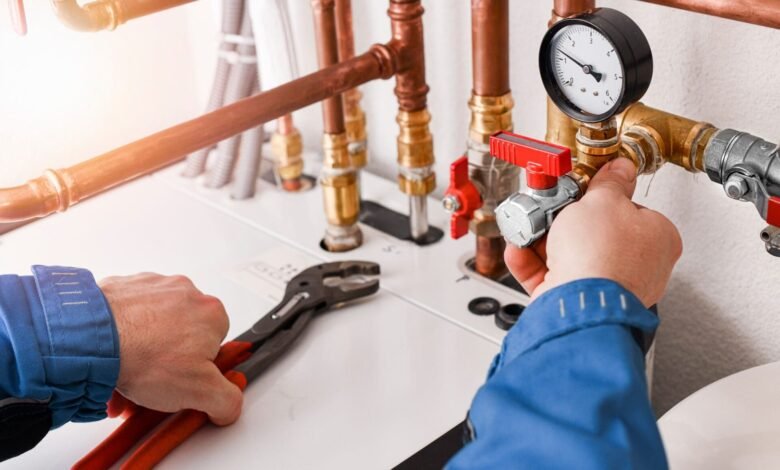
Once the evaluation is complete, a new piping plan is developed. This plan outlines the route of new pipes, connection points, and material selection. Common modern materials include copper and cross-linked polyethylene (PEX), both of which offer durability and resistance to corrosion.During installation, sections of walls or floors may be accessed to remove old pipes and install new ones. Technicians carefully minimize structural disruption while ensuring that the new system is properly aligned and secured.
After installation, the system is thoroughly tested for leaks, pressure consistency, and flow efficiency. This ensures that the new plumbing network functions correctly before the project is completed.A successful repiping process results in a fully renewed plumbing system that delivers improved performance, safety, and longevity.
Choosing the Right Materials for Long-Term Performance
Material selection plays a critical role in the durability and efficiency of a plumbing system. Older materials such as galvanized steel are prone to rust and corrosion, which can significantly reduce water quality and system lifespan.
Copper piping is a popular modern choice due to its durability, heat resistance, and long lifespan. It is also naturally resistant to bacterial growth, making it suitable for clean water delivery systems.PEX piping has gained popularity due to its flexibility, affordability, and ease of installation. It can withstand temperature fluctuations and is less likely to burst under pressure compared to rigid piping systems.
Each material has its advantages, and the choice often depends on budget, building structure, and long-term performance expectations. Professional assessment is essential to determine the most suitable option for a specific property.Proper material selection ensures that repiping not only resolves current issues but also prevents future plumbing failures.
Benefits of Complete Plumbing System Renewal
One of the most significant benefits of repiping is the restoration of consistent water pressure. New pipes allow water to flow freely without obstruction caused by corrosion or buildup.
Another major advantage is improved water quality. Old pipes often introduce rust, sediment, or metallic taste into the water supply. Replacing them ensures cleaner, safer water for daily use.Leak prevention is another key benefit. A new plumbing system eliminates weak points and reduces the risk of hidden leaks that can cause structural damage or mold growth.
Energy efficiency can also improve in some cases, especially in systems where hot water delivery becomes more efficient due to optimized pipe routing and reduced heat loss.From a financial perspective, investing in repiping can reduce long-term maintenance costs. Instead of repeatedly repairing leaks or dealing with water damage, property owners benefit from a stable and reliable system.
Challenges and Considerations During Replacement
Although repiping offers long-term benefits, it is a complex process that requires careful planning. One of the main challenges is access to existing pipes, which are often hidden behind walls or under flooring.
This may require temporary disruption to living spaces or work areas. However, experienced professionals typically aim to minimize inconvenience through efficient project management and strategic planning.Cost is another consideration. While repiping requires a higher upfront investment compared to minor repairs, it often proves more cost-effective over time by preventing recurring issues and damage.
Time is also a factor, as larger properties may require several days to complete the process. However, the long-term benefits generally outweigh the temporary disruption.Proper planning and professional execution ensure that the repiping process is completed efficiently and with minimal inconvenience.
Preventive Maintenance After Repiping
Once a new plumbing system is installed, regular maintenance helps preserve its performance and extend its lifespan. Simple practices such as monitoring water pressure, checking for leaks, and inspecting visible pipes can help detect issues early.
Water quality should also be monitored periodically to ensure there are no unexpected changes. Installing filtration systems can further protect pipes from sediment buildup and contaminants.
Avoiding excessive water pressure is another important factor in maintaining system integrity. High pressure can place unnecessary stress on pipes and fittings, reducing their lifespan over time.Routine inspections by professionals can also help identify potential issues before they escalate. Even after a full repiping project, ongoing care ensures long-term reliability and performance.
Technological Advancements in Modern Plumbing Systems
Modern plumbing systems have benefited significantly from technological advancements. Improved pipe materials, precision engineering, and diagnostic tools have made installations more efficient and durable.Leak detection technology now allows professionals to identify hidden issues without invasive procedures. Smart water monitoring systems can track usage patterns and alert property owners to unusual activity.Advanced materials used in modern piping systems are designed to resist corrosion, temperature fluctuations, and pressure variations, significantly improving system longevity.
These innovations have made repiping more efficient, less invasive, and more reliable than in the past, offering better outcomes for property owners.Not all plumbing problems require full system replacement, but certain conditions make repiping the most practical solution. These include widespread pipe corrosion, frequent leaks across multiple areas, and persistent water quality issues.
Buildings with outdated plumbing materials are also strong candidates for replacement, especially if they have experienced repeated maintenance issues over time.In such cases, partial repairs may only delay the inevitable, while a full system upgrade provides a permanent solution.Professional evaluation is essential to determine whether repiping is the most appropriate course of action based on system condition and long-term goals.
Conclusion
A reliable plumbing system is essential for maintaining comfort, safety, and functionality in any building. Over time, however, aging pipes can lead to a wide range of problems that affect water quality, pressure, and structural integrity. While minor repairs may offer temporary relief, they are not always sufficient when system-wide deterioration occurs.
Repiping provides a comprehensive solution by replacing outdated or damaged plumbing networks with modern, durable materials designed for long-term performance. Although the process requires planning, investment, and temporary disruption, the benefits far outweigh the challenges.
By restoring consistent water flow, improving water quality, and preventing future leaks, repiping ensures that a property’s plumbing system remains reliable for years to come. It represents not just a repair, but a long-term upgrade that enhances the overall value and functionality of the building.