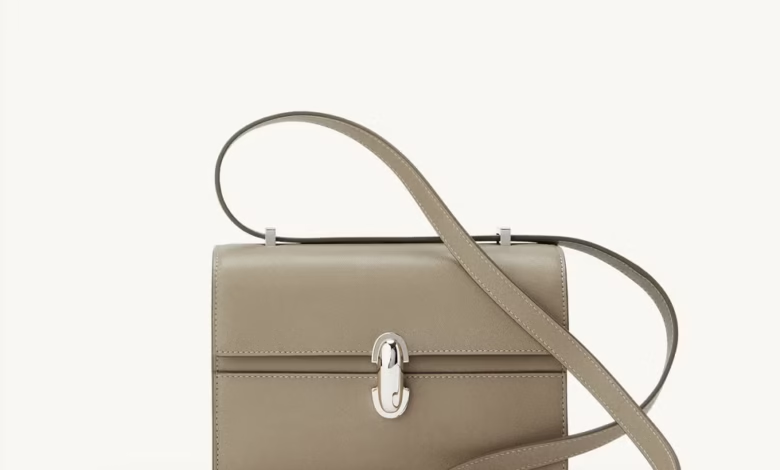
A handbag can look perfect in a photograph and still be surprisingly inconvenient in everyday life. Size, weight, strap design, interior organization, materials, and even the type of closure can determine whether a bag becomes a daily favorite or spends most of its time in a wardrobe.
For this reason, choosing a handbag is often about much more than appearance. Understanding how a bag will actually be used can make it easier to select a design that works for both personal style and everyday routines.
Size Should Match What You Actually Carry
One of the first things to consider is capacity.
Small bags can create a clean and elegant look, but they may not be practical for someone who regularly carries a large phone, wallet, keys, cosmetics, sunglasses, and other essentials.
At the opposite end, oversized bags provide plenty of space but can become heavy once filled.
A useful approach is to identify the items carried almost every day and choose a size that accommodates them without leaving excessive unused space.
Dimensions are therefore more informative than labels such as “mini,” “small,” or “medium,” because those terms can vary significantly between brands and designs.
Strap Length Changes How a Bag Feels
Straps have a major influence on both comfort and appearance.
A short handle creates a different silhouette from a shoulder strap, while an adjustable crossbody strap can make a bag much more practical when walking or traveling.
The strap drop is particularly important.
Two bags with similar dimensions can sit completely differently on the body depending on strap length. This becomes even more noticeable when the bag is worn over a winter coat rather than lightweight clothing.
Adjustable and removable straps provide additional flexibility because the same bag can be styled in several ways.
Interior Design Matters More Than It Seems
The outside of a handbag usually receives the most attention, but the interior can determine how convenient it is to use.
A single large compartment may work well for someone who prefers simplicity. Others may want separate pockets for a phone, cards, keys, or smaller accessories.
Closures also matter.
Zippers generally provide greater security, while magnetic closures offer quicker access. Open-top designs can be convenient but may not be ideal for crowded transportation or travel.
These details are easy to overlook when shopping based mainly on photographs.
Material Affects Both Appearance and Maintenance
Different materials create different ownership experiences.
Smooth leather can produce a refined appearance but may show scratches more easily. Grained leather often hides minor marks better and can be suitable for frequent use.
Suede offers a distinctive texture but generally requires greater care around water and stains. Fabric and canvas bags can be lighter, although their durability depends heavily on construction and finishing.
Hardware should also be considered because chains, buckles, and metal decorations can add considerable weight.
Online Research Makes Details Easier to Compare
Consumers increasingly research these characteristics before deciding which style suits them.
Detailed product photographs can reveal interior construction, hardware, closures, and materials, while measurements provide a much clearer understanding of actual size.
Large fashion catalogs can also make comparison easier. Korean consumers exploring different bags, clothing, watches, shoes, and accessories may encounter platforms such as BAETTAEGI while researching styles and comparing product details.
The ability to compare several designs side by side can help shoppers identify which characteristics are genuinely important to them.
Weight Is Often Overlooked
An empty handbag may feel perfectly comfortable for a few minutes, but the experience can change after adding everyday belongings.
Heavy leather, thick construction, chains, and large metal hardware can significantly increase total weight.
For a bag intended for commuting or long periods of walking, the empty weight deserves consideration alongside dimensions.
Comfort becomes particularly important for shoulder and crossbody bags because the weight is concentrated on a relatively small area of the body.
Think About the Clothes You Already Own
Versatility is another practical consideration.
A distinctive color or unusual design can be appealing, but it helps to consider how naturally the bag fits with an existing wardrobe.
Neutral shades remain popular because they can work across different outfits and seasons. However, a stronger color can also be surprisingly versatile when most of a wardrobe consists of neutral clothing.
Rather than asking whether a bag looks good by itself, it can be more useful to imagine it with several outfits already in the wardrobe.
Construction Can Influence Longevity
Areas that experience frequent movement or pressure deserve particular attention.
Handles, strap attachments, corners, zippers, stitching, and closures are all subjected to repeated use. The quality of construction in these areas can influence how well a bag maintains its shape and functionality over time.
This is another reason detailed photographs are valuable. Close-up images can reveal information that is difficult to understand from a single front-facing product shot.
Final Thoughts
The most practical handbag is not necessarily the largest, most expensive, or most fashionable option.
It is the one that works naturally with the owner’s daily routine.
Size, weight, materials, strap length, interior organization, closures, and wardrobe compatibility all contribute to how useful a bag becomes after the initial excitement of buying it has passed.
A little research before choosing can therefore make the difference between a bag that looks attractive and one that is genuinely enjoyable to use every day.