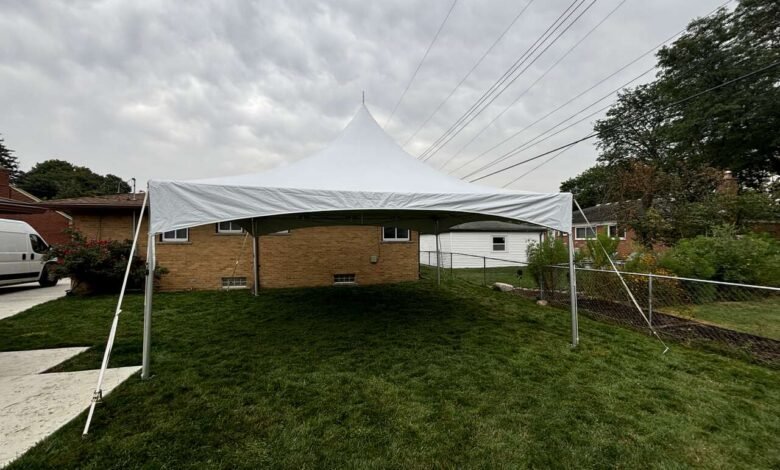
Introduction to the Concept of Tents
In human history, shelter has always been one of the most essential needs, and among the earliest and most adaptable forms of portable shelter are tents. These structures are designed to provide temporary protection from environmental conditions such as rain, wind, heat, and cold. Over time, tents have evolved from simple fabric coverings supported by poles into highly engineered structures used in camping, events, military operations, and emergency relief situations. The versatility of tents makes them an important solution in both recreational and practical applications. They are lightweight, easy to assemble, and can be transported to various locations with minimal effort. In modern usage, tents continue to play a significant role in outdoor living, providing comfort and safety in environments where permanent structures are not available. Their design and functionality have improved significantly, making them suitable for a wide range of purposes.
Evolution and Historical Development of Tents
The history of tents dates back thousands of years when nomadic communities relied on portable shelters for survival during travel and migration. Early versions were made using animal hides, woven fabrics, and natural materials supported by wooden frames. These primitive shelters were essential for protecting people from harsh weather conditions while allowing mobility. As civilizations developed, tents became more sophisticated, especially in military campaigns where large groups of soldiers needed temporary accommodation. Over time, advancements in materials such as canvas and synthetic fabrics transformed the durability and usability of tents. Modern tents now incorporate waterproof coatings, UV protection, and lightweight yet strong structural components. The evolution of tents reflects human adaptability and innovation in creating flexible living solutions for various environments.
Types and Varieties of Tents
Today, tents are available in a wide range of designs, each suited for specific purposes and environments. Camping tents are among the most popular, designed for outdoor enthusiasts who enjoy hiking, trekking, and nature exploration. These tents are typically lightweight and easy to set up, making them ideal for short-term use. Event tents, on the other hand, are larger structures used for weddings, exhibitions, and public gatherings, offering spacious interiors and decorative flexibility. Military tents are designed for durability and rapid deployment in challenging environments, providing shelter for personnel in field operations. Emergency relief tents are used during natural disasters to provide temporary housing for affected populations. The variety of tents available today ensures that different needs are met efficiently, whether for leisure, work, or crisis management. Each type is designed with specific features to maximize comfort, durability, and usability.
Importance of Tents in Outdoor Activities
Outdoor activities such as camping, hiking, and adventure tourism heavily rely on the use of tents for shelter and safety. These portable structures allow individuals to experience nature without compromising comfort or protection. Modern tents are designed with ventilation systems, waterproof layers, and insulation features that enhance the outdoor experience. The use of tents in recreational activities has grown significantly as more people seek escape from urban environments. They provide a secure resting place in remote areas where permanent accommodation is not available. In addition, tents help protect users from insects, wildlife, and unpredictable weather conditions. Without tents, many outdoor experiences would be unsafe or uncomfortable, highlighting their importance in adventure and leisure activities.
Role of Tents in Events and Social Gatherings
In addition to outdoor recreation, tents are widely used in organizing events and social gatherings. They serve as temporary venues for weddings, corporate functions, exhibitions, and festivals. The flexibility of tents allows organizers to create customized spaces that suit the theme and size of the event. Large event tents can accommodate hundreds of people while providing protection from weather conditions. Decorative elements such as lighting, flooring, and interior design can be easily integrated into tent structures, making them highly versatile. The use of tents in events reduces the need for permanent infrastructure and allows for cost-effective planning. Their ability to be set up and dismantled quickly makes them an ideal choice for temporary functions. In this context, tents play a crucial role in enhancing the overall experience of attendees.
Military and Emergency Applications of Tents
Tents have long been used in military operations as essential field shelters for soldiers. They provide quick and reliable accommodation in combat zones, training areas, and remote deployments. Military tents are designed to withstand extreme weather conditions and rough handling while maintaining structural stability. Similarly, in emergency situations such as natural disasters, tents become a vital part of relief operations. They offer immediate shelter to displaced individuals, helping them survive during critical times. Relief organizations often rely on durable and easy-to-deploy tents to provide temporary housing and medical facilities. The role of tents in these situations highlights their importance as life-saving infrastructure. Their portability and quick setup make them indispensable in crisis response efforts.
Materials and Technological Advancements in Tent Design
Modern tents are manufactured using advanced materials that enhance durability, comfort, and weather resistance. Traditional canvas has been replaced or supplemented with synthetic fabrics such as polyester and nylon, which offer improved strength and waterproofing. Additional coatings are applied to protect against UV rays and environmental wear. Structural components such as aluminum and fiberglass poles provide stability while keeping the overall weight low. Technological innovations have also introduced features like modular designs, inflatable structures, and smart ventilation systems. These advancements have significantly improved the performance and usability of tents in various conditions. The continuous development of materials ensures that tents remain reliable in both recreational and professional applications.
Maintenance and Proper Usage of Tents
Proper maintenance is essential to ensure the longevity and performance of tents. Regular cleaning after use helps prevent mold, mildew, and material degradation. It is important to dry tents completely before storage to avoid moisture-related damage. Careful handling during setup and dismantling also reduces the risk of tears or structural damage. Storing tents in cool and dry conditions helps preserve fabric quality over time. Users should also inspect poles, zippers, and seams regularly to ensure functionality. When properly maintained, tents can last for many years while maintaining their protective features. In both personal and professional use, proper care ensures reliability and long-term value.
Environmental and Sustainability Considerations
As environmental awareness increases, tent manufacturing is also shifting toward sustainable practices. Eco-friendly materials and recyclable fabrics are being used to reduce environmental impact. Lightweight designs help minimize transportation energy consumption, making tents a more sustainable shelter option compared to permanent structures in certain scenarios. Additionally, reusable and durable tents reduce waste generated from temporary housing solutions. Manufacturers are also focusing on reducing chemical treatments that may harm the environment. Sustainable production methods ensure that tents continue to serve practical needs while minimizing ecological impact. This shift reflects the growing importance of environmental responsibility in product design.
Conclusion
In conclusion, tents are highly versatile and essential structures that serve a wide range of purposes across recreation, events, military operations, and emergency relief. Their evolution from simple shelters to advanced portable structures highlights their importance in human life. Whether used for outdoor adventures, large gatherings, or critical relief efforts, tents provide reliable protection and flexibility. With continuous advancements in materials and design, their functionality continues to improve. Proper usage and maintenance ensure long-lasting performance, making them a valuable solution in many situations.