Introduction
Modern buildings require efficient and reliable systems to maintain comfortable indoor temperatures throughout the year. Whether it is extreme cold or intense heat, maintaining a stable indoor environment is essential for comfort, health, and productivity. One of the most efficient technologies used for this purpose today is the heat pump, which provides both heating and cooling in a single integrated system.
Unlike traditional systems that generate heat through combustion or rely on separate units for cooling, a heat pump works by transferring thermal energy from one place to another. This makes it highly efficient, cost-effective, and environmentally friendly. As energy costs continue to rise and sustainability becomes more important, more homeowners and businesses are turning to this technology for long-term comfort and savings.
However, like all mechanical systems, proper installation, maintenance, and timely servicing are essential for optimal performance. Understanding how these systems work and what affects their efficiency helps users make better decisions and extend system lifespan.
How Modern Climate Systems Function
A heat pump operates on a simple yet highly effective principle: heat transfer. Instead of generating heat, it moves existing heat from one location to another using refrigerant and a compressor system.During the winter season, the system extracts heat from outdoor air—even in cold temperatures—and transfers it inside to warm the building. During summer, the process is reversed, and heat is removed from indoor air and released outside, creating a cooling effect.
This dual functionality makes the heat pump one of the most versatile systems available. It eliminates the need for separate heating and cooling units, reducing installation complexity and maintenance requirements.The system consists of key components such as evaporator coils, condenser coils, a compressor, expansion valves, and a refrigerant cycle. Each part plays a crucial role in ensuring smooth operation and efficient energy transfer.
Advantages of Using Advanced Energy Transfer Systems
One of the main advantages of a heat pump is its high energy efficiency. Since it moves heat instead of generating it, it consumes significantly less electricity compared to traditional heating systems.Another advantage is its dual functionality. A single system can provide both heating and cooling, reducing the need for multiple installations and saving space.
These systems also offer consistent indoor comfort by maintaining stable temperature levels without sudden fluctuations. This improves overall living conditions and reduces strain on the system.Environmental benefits are also significant, as reduced energy consumption leads to lower carbon emissions. This makes the heat pump a more sustainable option compared to conventional heating methods.
Common Issues in Heat Pump Systems
Despite their efficiency, heat pump systems can experience performance issues over time due to wear and environmental factors. One of the most common problems is reduced airflow caused by dirty filters or blocked coils.Refrigerant leaks can also affect system efficiency and reduce heating or cooling performance. If not addressed quickly, they can cause damage to the compressor.
Electrical issues such as faulty sensors, capacitor failures, or wiring problems can lead to inconsistent operation or complete system shutdown.Mechanical wear in fans, motors, and compressors can gradually reduce efficiency and increase energy consumption.Regular maintenance is essential to prevent these issues and ensure long-term reliability.
Early Warning Signs of System Problems
Recognizing early signs of system failure can help prevent costly repairs and breakdowns. One of the first signs is uneven temperature distribution throughout the building.Unusual noises such as grinding, rattling, or buzzing may indicate internal mechanical issues.
A sudden increase in energy bills without increased usage is often a sign of reduced efficiency.Weak airflow or reduced heating and cooling performance can also indicate system strain.Strange odors coming from vents may suggest dust buildup, mold growth, or electrical issues.When these signs appear, timely professional attention is recommended.
Step-by-Step Maintenance and Repair Process
Maintaining a heat pump system involves a structured process designed to ensure efficiency and reliability. The process begins with a full system inspection, where technicians examine key components such as coils, compressors, refrigerant levels, and electrical connections.
Filters are cleaned or replaced to ensure proper airflow. Coils are inspected for dirt buildup and cleaned if necessary.Refrigerant levels are checked and adjusted to maintain optimal performance.
Electrical components are tested for safety and functionality, ensuring that sensors and controls operate correctly.After maintenance or repair work is completed, the system is tested to ensure proper heating, cooling, and airflow performance.
Importance of Regular Maintenance
Regular maintenance is essential for keeping systems efficient and preventing unexpected breakdowns. Routine care includes cleaning filters, inspecting coils, checking refrigerant levels, and ensuring proper airflow.Seasonal maintenance is especially important before periods of heavy usage, such as winter and summer.
Proper maintenance improves energy efficiency, extends system lifespan, and reduces repair costs.Without regular servicing, even an efficient heat pump can lose performance over time.
Professional Installation and Service Support
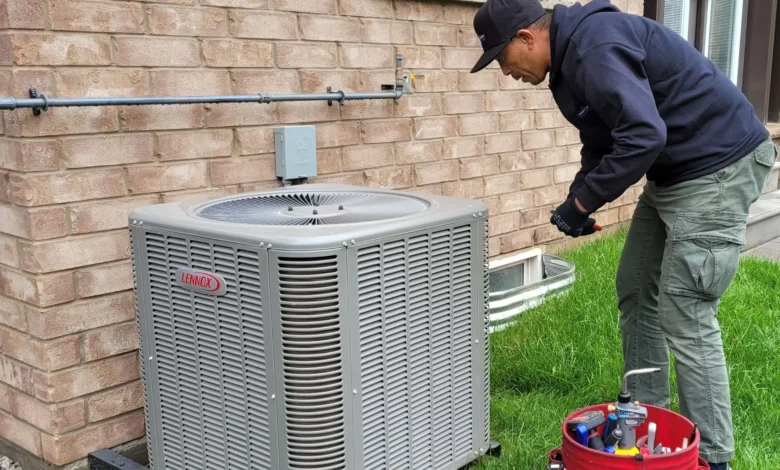
While basic maintenance can be handled by property owners, professional expertise is required for installation, diagnostics, and complex repairs. These systems involve electrical, mechanical, and refrigerant-based processes that require trained technicians.Professional service ensures that the system is installed correctly, sized properly, and optimized for efficiency.
For reliable long-term performance and expert support, heat pump services provide professional installation, maintenance, and repair designed to maximize efficiency and comfort.Professional technicians also offer preventive maintenance plans that help reduce future breakdowns and improve system reliability.
Energy Efficiency and Cost Savings
Energy efficiency is one of the biggest advantages of modern heat pump systems. Because they transfer heat instead of generating it, they use significantly less electricity.Dirty filters, low refrigerant levels, or mechanical issues can reduce efficiency and increase operating costs.
Proper maintenance ensures that the system runs at peak performance, reducing energy consumption and lowering utility bills.Over time, these savings make heat pump systems a cost-effective solution for long-term use.
Environmental Impact and Sustainability
Heat pump systems are considered environmentally friendly due to their reduced energy consumption and lower emissions.They help decrease reliance on fossil fuels and contribute to reduced greenhouse gas emissions.
Modern systems use more eco-friendly refrigerants that minimize environmental harm.Proper maintenance further enhances sustainability by ensuring efficient operation and reducing energy waste.
Technological Advancements in Modern Systems
Modern heat pump systems have benefited greatly from technological improvements. Smart thermostats allow users to control temperature remotely and optimize energy usage.Variable-speed compressors adjust performance based on demand, improving efficiency and comfort.
Advanced sensors monitor system performance and detect issues early.Predictive maintenance technology helps prevent breakdowns by identifying potential problems before they occur.These advancements make modern systems more efficient, reliable, and user-friendly.
Future of Heating and Cooling Technology
The future of heating and cooling systems is focused on automation, sustainability, and smart energy management.Artificial intelligence will play a major role in optimizing system performance based on usage patterns and environmental conditions.
Hybrid systems combining renewable energy sources will become more common.Smart home integration will allow seamless control of indoor environments.These innovations will continue to improve efficiency, comfort, and environmental responsibility.
Conclusion
Modern heating and cooling systems are essential for maintaining indoor comfort and energy efficiency throughout the year. Among the most efficient solutions available today is the heat pump, which provides both heating and cooling in a single system while reducing energy consumption.Understanding how these systems work, recognizing early warning signs, and investing in professional maintenance ensures long-term reliability and performance. With proper care and expert support, a heat pump can deliver consistent comfort, lower energy costs, and environmentally friendly operation for many years.