The Role of Professional Pest Control in Modern Infestation Management and Property Protection

Introduction to Modern Pest Infestation Challenges
In today’s urban and industrial environments, pest infestations have become a persistent problem affecting both residential and commercial properties. As buildings become more complex and densely populated, pests such as rodents, cockroaches, ants, termites, and bed bugs find more opportunities to survive and multiply. These infestations are not only a nuisance but also a serious threat to hygiene, health, and structural integrity. The demand for professional pest management has therefore increased significantly, as property owners seek reliable and long-term solutions rather than temporary fixes. A trained exterminator plays a critical role in identifying, controlling, and eliminating pest problems using advanced methods that go beyond basic household remedies. Pest infestations often begin silently and spread rapidly if not addressed in time. Many people underestimate the speed at which pests can reproduce and occupy hidden spaces within homes and buildings. This makes early detection and professional intervention extremely important. Modern pest control is no longer just about removing visible pests but about understanding their behavior, eliminating breeding sources, and preventing future infestations through structured approaches.
Understanding Pest Behavior and Infestation Patterns
Pests are highly adaptive organisms that thrive in environments where food, water, and shelter are readily available. They often enter buildings through small cracks, drainage systems, and poorly sealed openings. Once inside, they quickly establish colonies in hidden areas such as wall cavities, basements, ceilings, and storage spaces. The complexity of their behavior makes them difficult to eliminate without expert knowledge. A professional exterminator studies these behavioral patterns to identify infestation sources and break the life cycle of pests. Understanding how pests move, feed, and reproduce allows for targeted treatments that are far more effective than general pesticide use. Environmental conditions such as poor sanitation, moisture buildup, and improper waste management significantly contribute to pest problems.
Health and Safety Risks Associated with Pest Infestations
Pests are not just a structural concern but also a major health risk. Many insects and rodents carry harmful bacteria, viruses, and parasites that can contaminate food and surfaces. Diseases such as salmonella, dengue, and respiratory infections are often linked to pest activity. The presence of pests in food storage areas, kitchens, or healthcare environments can lead to severe consequences. A licensed exterminator ensures that infestations are handled using safe and regulated methods that minimize exposure to harmful chemicals while effectively eliminating pests. This balance between safety and effectiveness is a key aspect of modern pest management practices.
Role of Professional Pest Control in Residential Properties
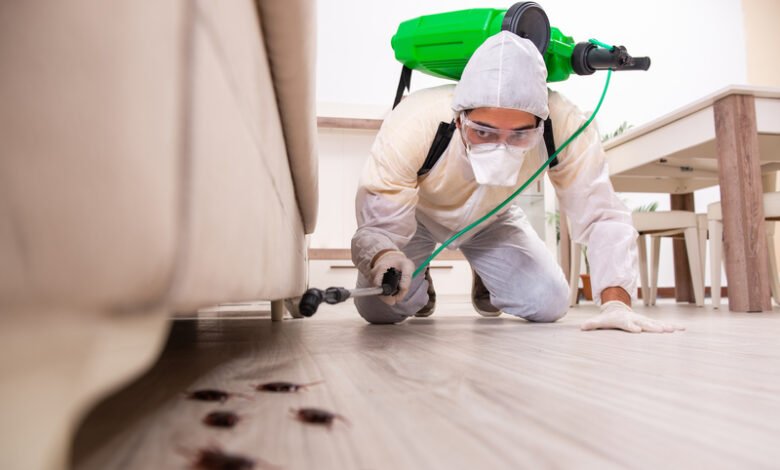
Residential properties are among the most common targets for pest infestations due to the availability of food and shelter. Kitchens, bathrooms, storage areas, and gardens often become breeding grounds if not properly maintained. Rodents can cause structural damage by chewing wires and insulation, while insects can contaminate food and surfaces. A professional exterminator provides comprehensive inspection and treatment services tailored to the specific needs of households. Unlike DIY methods, professional services ensure that infestations are completely eradicated rather than temporarily suppressed. Regular maintenance and preventive treatments are also recommended to avoid recurring infestations.
Commercial and Industrial Pest Management Requirements
Commercial and industrial environments face even greater challenges when it comes to pest control. Businesses such as restaurants, warehouses, hotels, and manufacturing facilities must maintain strict hygiene standards to ensure safety and compliance. Even a small infestation can lead to financial losses, legal issues, and reputational damage. A professional exterminator plays a vital role in maintaining pest-free commercial spaces through regular inspections, monitoring systems, and preventive treatments. Scheduled pest management programs ensure that businesses remain compliant with health regulations and avoid operational disruptions caused by infestations.
Methods and Techniques Used in Modern Pest Control
Modern pest control relies on a combination of chemical, biological, and mechanical methods to achieve effective results. Chemical treatments involve the use of insecticides and rodenticides to eliminate active infestations. An experienced exterminator uses Integrated Pest Management (IPM) strategies that combine multiple techniques for sustainable results. This approach focuses not only on eliminating pests but also on modifying environmental conditions to prevent future infestations. Advanced technology such as thermal imaging and digital monitoring systems helps detect hidden infestations with high accuracy, improving response time and effectiveness.
Preventive Measures for Long-Term Pest Control
Prevention is one of the most effective ways to manage pest problems. Maintaining cleanliness, sealing entry points, and properly managing waste are essential steps in reducing pest attraction. Moisture control is also critical, as many pests thrive in damp environments. Regular inspections by a professional exterminator help identify early signs of infestation before they become severe. Preventive treatments create protective barriers that reduce the likelihood of future infestations, making long-term control more reliable and cost-effective.
Technological Advancements in Pest Control Industry
The pest control industry has evolved significantly with the introduction of advanced technologies. Modern extermination methods now include smart monitoring systems, eco-friendly chemicals, and automated detection tools. Digital tracking systems allow continuous monitoring of pest activity, enabling early detection and timely intervention. Eco-friendly solutions have also gained popularity due to increasing environmental awareness. A modern exterminator now relies on data-driven strategies to assess infestation levels and determine the most appropriate treatment methods.
Importance of Choosing Professional Pest Control Services
Selecting the right pest control provider is essential for achieving effective results. A qualified exterminator should be able to provide customized solutions based on the specific needs of the property. Transparency in treatment methods, safety protocols, and follow-up services is also important. Professional services not only eliminate pests but also educate property owners on preventive measures to avoid future infestations. Reliable service providers focus on long-term protection rather than temporary solutions.
Conclusion
Pest infestations remain a significant challenge for both residential and commercial properties, requiring professional expertise for effective management. A skilled exterminator plays a crucial role in identifying, controlling, and preventing pest problems using advanced techniques and structured approaches. By addressing both immediate infestations and underlying causes, professional pest control ensures long-term safety, hygiene, and property protection.