Everything You Need to Know About Masonry Construction for Durable and Efficient Structures

Introduction
Construction methods have evolved over centuries, but some techniques remain timeless due to their strength, reliability, and long-term performance. One of the most trusted methods in the building industry is masonry, which involves constructing structures using individual units such as bricks, stones, or concrete blocks bound together with mortar. This method has been used for thousands of years and continues to be a foundation of modern construction because of its durability, versatility, and structural strength. A well-executed masonry structure offers excellent resistance to weather, pressure, and time. It is widely used in residential, commercial, and industrial construction projects due to its ability to provide both structural stability and aesthetic appeal. From walls and foundations to decorative features and outdoor structures, masonry plays a key role in shaping strong and long-lasting buildings. Unlike lightweight construction methods, masonry provides a solid and compact structure that can withstand heavy loads and environmental stress. With proper planning, skilled workmanship, and high-quality materials, masonry construction delivers efficient, safe, and visually appealing results that can last for generations.
Importance of Strength and Stability in Construction
Every construction project depends on strength and stability to ensure safety and long-term performance. Buildings are constantly exposed to external forces such as wind, rain, temperature changes, and physical load. Without proper construction methods, these forces can weaken structures over time. This is where masonry becomes highly valuable. Its dense and solid composition makes it extremely resistant to pressure and environmental stress. Masonry structures are known for their ability to carry heavy loads while maintaining their shape and stability for many years. Another major advantage is fire resistance. Materials used in masonry, such as brick and stone, do not burn easily, making them safer compared to many other construction materials. This adds an extra layer of protection for homes and buildings. Masonry also reduces long-term maintenance needs. Because of its durability, structures built with this method require fewer repairs and remain strong for decades, making it a cost-effective choice for property owners.
Materials Used in Masonry Construction
The quality and performance of a masonry structure depend heavily on the materials used. Different materials provide different levels of strength, appearance, and functionality. Bricks are one of the most commonly used materials in masonry construction. They are uniform, durable, and easy to work with, making them suitable for walls, partitions, and facades. Brick structures also offer good thermal insulation, helping maintain comfortable indoor temperatures. Stone is another widely used material due to its natural strength and aesthetic appeal. Stone masonry is often used in foundations, exterior walls, and decorative structures because it provides a strong and visually appealing finish. Concrete blocks are also popular in modern construction due to their affordability and strength. They allow faster construction while maintaining structural integrity. Mortar plays a crucial role as the bonding material that holds masonry units together. Proper mixing and application of mortar ensure stability and load distribution throughout the structure. A successful masonry project depends on both high-quality materials and proper installation techniques.
Construction Process and Techniques
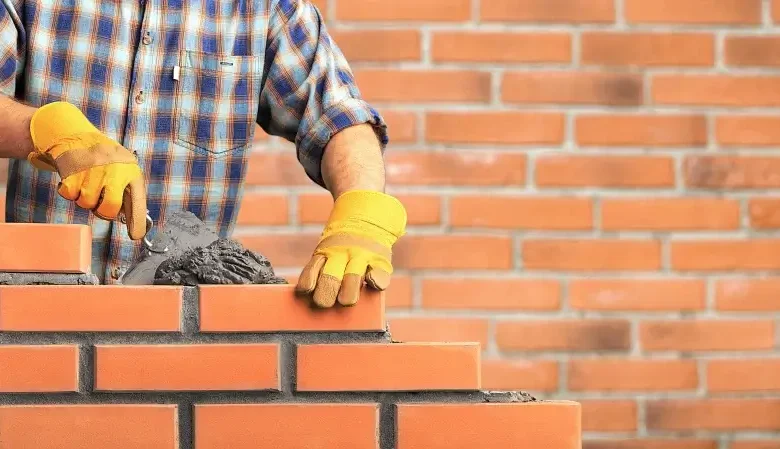
Masonry construction involves a systematic process that requires precision and attention to detail at every stage. The first step is foundation preparation, which is essential for ensuring long-term stability. A strong foundation helps distribute weight evenly and prevents structural movement over time. Once the foundation is ready, masonry units are laid in specific patterns based on design requirements. Proper alignment and spacing are critical for maintaining structural strength and visual consistency. Mortar is applied between each unit to bond them together and provide stability. Skilled workers ensure that joints are properly filled and leveled to avoid weak points in the structure. Throughout the process, measurements and alignment are continuously checked to maintain accuracy. Even small errors can affect the overall strength and appearance of the structure. Professional masonry work requires experience, precision, and proper technique to ensure durability and safety.
Types of Masonry Construction
There are several types of masonry techniques used in modern construction, each serving different purposes and applications. Brick masonry is the most common type and is widely used in residential and commercial buildings. It offers a balance of strength, affordability, and aesthetic appeal. Stone masonry is used in structures that require high durability and a natural appearance. It is commonly used in foundations, retaining walls, and decorative elements. Concrete block masonry is widely used in modern construction due to its speed and efficiency. It is suitable for both load-bearing and non-load-bearing walls. Composite masonry combines different materials to achieve specific structural or visual results. Each type of masonry is selected based on project requirements, design goals, and environmental conditions.
Benefits of Masonry Construction
Masonry offers a wide range of benefits that make it one of the most reliable construction methods available. One of the most important benefits is durability. Masonry structures can last for decades with minimal maintenance, making them a long-term investment. Another advantage is thermal insulation. Masonry walls help regulate indoor temperatures by absorbing and slowly releasing heat, improving energy efficiency. Sound insulation is also a key benefit. Thick masonry walls reduce noise transmission, creating a quieter and more comfortable indoor environment. Aesthetic value is another strong advantage. Masonry provides a timeless appearance that suits both traditional and modern architectural styles. A properly built masonry structure also increases property value due to its strength, appearance, and longevity.
Common Problems in Poor Masonry Work
Although masonry is a strong construction method, poor workmanship can lead to several issues. Cracking is one of the most common problems and can occur due to improper foundation, weak mortar, or structural movement. Water penetration can also damage masonry if it is not properly sealed. Uneven alignment and poor finishing can affect both appearance and strength. These problems usually result from lack of experience or improper construction techniques. This is why skilled professionals are essential for ensuring high-quality masonry work that lasts for many years.
Maintenance and Long-Term Care
Masonry structures are known for their durability, but regular maintenance helps extend their lifespan even further. Inspecting walls for cracks or damage allows early detection of potential issues. Small repairs can prevent larger structural problems in the future. Cleaning masonry surfaces helps remove dirt, mold, and stains, preserving both appearance and strength. Repointing mortar joints when necessary also helps maintain structural integrity. Proper maintenance ensures that masonry structures continue to perform efficiently and safely over time.
Environmental Benefits of Masonry
Masonry is also considered an environmentally friendly construction method. Many materials used in masonry are natural, recyclable, and energy-efficient. Brick and stone provide excellent thermal mass, which helps reduce energy consumption for heating and cooling. This improves energy efficiency and reduces environmental impact. Masonry structures also have long lifespans, which reduces construction waste and the need for frequent rebuilding. Using masonry in construction supports sustainable building practices and environmentally responsible design.
Long-Term Value of Masonry Structures
One of the greatest advantages of masonry construction is its long-term value. While initial costs may be higher compared to other methods, the durability and low maintenance requirements make it cost-effective over time. Masonry structures maintain their strength and appearance for many years, reducing repair and renovation expenses. They also add significant property value due to their durability and aesthetic appeal. A well-built masonry structure is a long-term investment that offers both functional and financial benefits.
Conclusion
Masonry remains one of the most reliable and widely used construction methods due to its strength, durability, and versatility. It is suitable for a wide range of applications, from residential buildings to large infrastructure projects. Proper planning, quality materials, and skilled workmanship are essential for achieving successful results. A professionally constructed masonry structure provides long-lasting stability, aesthetic appeal, and excellent performance. With proper maintenance and expert construction, masonry buildings can last for generations, making them a smart and sustainable choice for modern construction needs.