A roof is one of the most critical structural components of any building, serving as the primary barrier between indoor spaces and external environmental conditions. It protects against rain, wind, sunlight, temperature fluctuations, and debris while also contributing significantly to the overall energy efficiency and structural integrity of a home. Despite its importance, roofing systems are often neglected until visible problems appear, which can lead to costly damage if not addressed early. Understanding the importance of timely maintenance and professional intervention is essential for preserving long-term safety and comfort. One of the most important aspects of building upkeep is roof repair, a structured process that focuses on identifying damage, restoring functionality, and preventing further deterioration.
Roofs are constantly exposed to harsh environmental conditions, which gradually wear down materials over time. Even high-quality roofing systems are not immune to aging, especially when subjected to heavy rainfall, intense heat, strong winds, or snow accumulation. Small issues such as minor leaks, missing shingles, or weakened flashing may initially seem insignificant, but they can quickly escalate into major structural problems if ignored. Moisture intrusion, for example, can lead to mold growth, wood rot, insulation damage, and interior ceiling deterioration, all of which require extensive and expensive restoration work.
Understanding the Role of Roofing in Structural Protection
The primary function of a roof is to act as a protective shield for the entire building structure. It distributes external loads such as rainwater and wind pressure while maintaining insulation and temperature regulation inside the home. A well-maintained roof contributes directly to energy efficiency by preventing heat loss during cold weather and reducing heat absorption during warm conditions.
When roofing systems begin to fail, the effects are not limited to the exterior surface. Water infiltration can damage walls, ceilings, electrical systems, and even the foundation over time. This makes early detection and maintenance essential for preventing widespread structural issues. Regular inspections help identify weak points before they develop into serious problems, allowing for timely corrective measures that extend the lifespan of the roof.
Another important aspect is safety. Damaged roofs can pose risks such as falling debris, collapsing sections, or water-related electrical hazards. Ensuring that roofing systems remain in good condition is therefore not only a matter of comfort but also of safety for occupants.
Common Causes of Roofing Damage
Roofing damage can occur for a variety of reasons, many of which are related to environmental exposure and natural aging. One of the most common causes is weather-related stress. Heavy rainfall can lead to water accumulation and leaks, while strong winds can lift or displace shingles and other roofing materials. In colder climates, snow and ice buildup can create additional pressure and contribute to structural strain.
Sun exposure is another significant factor. Over time, ultraviolet radiation can weaken roofing materials, causing them to crack, fade, or lose their protective coating. This gradual deterioration reduces the roof’s ability to resist moisture and temperature changes.
Poor installation practices can also lead to long-term issues. If roofing materials are not installed correctly, they may not provide adequate protection against environmental stress. Improper sealing, misaligned shingles, or inadequate flashing installation can all create entry points for water and air infiltration.
In addition, lack of maintenance is a major contributor to roofing problems. Without regular inspections and upkeep, small issues can go unnoticed until they develop into significant damage. Debris accumulation, clogged gutters, and unnoticed leaks are all examples of preventable issues that can escalate over time.
Early Warning Signs of Roofing Problems
Identifying early warning signs of roof deterioration is essential for preventing costly repairs. One of the most obvious indicators is water leakage inside the home. Stains on ceilings or walls often suggest that moisture is penetrating the roofing system. Even small discolorations should not be ignored, as they may indicate a larger underlying issue.
Missing or damaged shingles are another clear sign of trouble. Shingles act as the first line of defense against weather elements, and any compromise in their condition can expose the underlying structure to damage. Curling, cracking, or loosening shingles should be addressed promptly.
Sagging areas on the roof surface may indicate structural weakness, often caused by prolonged moisture exposure or inadequate support. This condition requires immediate attention, as it can lead to partial or complete collapse if left unresolved.
Additionally, increased energy bills may sometimes be linked to roofing issues. Poor insulation or air leaks caused by roof damage can reduce energy efficiency, forcing heating and cooling systems to work harder.
The Process of Roof Maintenance and Restoration
Effective roofing maintenance involves a systematic approach that includes inspection, assessment, repair, and prevention. The first step is a thorough inspection of both the exterior and interior components of the roofing system. This includes checking shingles, flashing, gutters, vents, and underlying structural elements for signs of damage or wear.
Once issues are identified, the next step is assessment. This involves determining the severity of the damage and deciding whether localized fixes or more extensive restoration is required. Minor issues such as small leaks or isolated shingle damage can often be addressed quickly, while more severe problems may require partial replacement of roofing sections.
During roof repair, technicians focus on restoring the integrity of the roofing system by sealing leaks, replacing damaged materials, and reinforcing weak areas. Proper sealing is particularly important, as it prevents water from penetrating the structure and causing further deterioration.
Preventive maintenance is also an essential part of the process. This includes cleaning gutters, removing debris, and ensuring proper drainage to prevent water accumulation. Regular upkeep helps extend the lifespan of the roof and reduces the likelihood of unexpected failures.
Material Considerations and Longevity
The type of roofing material used plays a significant role in determining durability and maintenance requirements. Common materials include asphalt shingles, metal roofing, clay tiles, and composite materials, each with its own advantages and limitations.
Asphalt shingles are widely used due to their affordability and ease of installation, but they may require more frequent maintenance compared to other materials. Metal roofing, on the other hand, offers excellent durability and resistance to extreme weather conditions, making it a popular choice for long-term performance.
Clay and tile roofs provide strong resistance to heat and fire, but they can be heavier and require stronger structural support. Composite materials combine different properties to offer a balance of durability, aesthetics, and cost-effectiveness.
Regardless of material type, all roofing systems require periodic inspection and maintenance to ensure continued performance. Environmental conditions, installation quality, and maintenance frequency all influence the overall lifespan of a roof.
Importance of Timely Intervention
One of the most important aspects of roofing care is addressing issues as soon as they are detected. Delaying maintenance can significantly increase repair costs and lead to more extensive structural damage. Water infiltration, in particular, can spread quickly and affect multiple areas of a building if not controlled early.
Timely intervention not only reduces financial burden but also helps maintain the safety and comfort of the living environment. It ensures that minor issues do not escalate into major repairs that require full roof replacement.
In many cases, homeowners underestimate the seriousness of small leaks or minor damage, assuming they will not worsen over time. However, roofing systems are interconnected structures, and even small failures can compromise the entire system if left unattended.
Professional Expertise and Safety Considerations
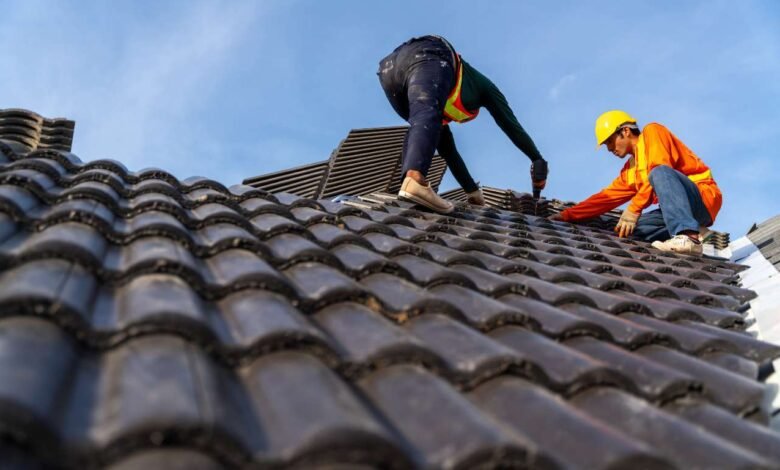
Roofing work requires specialized knowledge, tools, and safety precautions. Working at heights and handling heavy materials can be dangerous without proper training. Professional technicians are equipped to perform inspections and repairs safely and efficiently, reducing the risk of accidents and ensuring high-quality results.
In addition to safety, professionals bring technical expertise that allows them to accurately diagnose issues and recommend appropriate solutions. They understand how different roofing systems behave under various conditions and can identify hidden problems that may not be visible during a basic inspection.
This expertise is particularly important in complex situations where structural damage or extensive leaks are involved. Attempting to handle such issues without proper knowledge can often lead to incomplete repairs or further damage.
Long-Term Benefits of Proper Roofing Care
Investing in regular maintenance and timely restoration offers numerous long-term benefits. A well-maintained roof enhances property value, improves energy efficiency, and ensures consistent protection against environmental elements. It also reduces the likelihood of unexpected repair costs and extends the overall lifespan of the roofing system.
Beyond financial benefits, proper roofing care contributes to peace of mind. Knowing that the structure is secure and protected allows homeowners to focus on other aspects of property maintenance without constant concern about potential damage.
Conclusion
Roofing systems play a vital role in protecting homes and maintaining structural integrity, making their upkeep an essential part of responsible property ownership. Through regular inspections, timely intervention, and professional maintenance, it is possible to prevent minor issues from developing into major structural failures. The process of roof repair in los gatos is not merely about fixing visible damage but about preserving the long-term strength, safety, and efficiency of the entire building.
In the long run, consistent attention to roofing health ensures that the entire building remains stable, safe, and efficient. This proactive approach is far more cost-effective than reactive repairs and helps avoid the stress associated with emergency situations.When approached proactively, roofing care becomes an investment in durability and security, ensuring that homes remain protected against environmental challenges for many years.