Metal roofing has become one of the most reliable and increasingly popular roofing solutions in modern construction. Known for its exceptional durability, energy efficiency, and long service life, it is widely used in residential, commercial, and industrial buildings. Unlike traditional roofing materials that may degrade quickly under harsh weather conditions, metal roofs are designed to withstand extreme environments while maintaining structural integrity and visual appeal for decades.
The growing interest in metal roofing is not only due to its performance but also its versatility in design. Modern manufacturing techniques allow metal roofs to mimic the appearance of shingles, tiles, slate, and other traditional materials while offering superior strength and longevity. As homeowners and builders prioritize sustainability, energy savings, and low maintenance solutions, metal roofing continues to stand out as a long-term investment in building protection.
Understanding What Metal Roofing Is and How It Works
Metal roofing refers to a roofing system made from metal pieces or tiles, typically constructed from materials such as steel, aluminum, zinc, or copper. These materials are engineered into panels, sheets, or shingles that are installed over a structural roof deck to create a protective barrier against environmental elements.
The primary function of a metal roof is to protect the building from rain, wind, snow, heat, and other weather conditions while allowing proper drainage and ventilation. Metal roofs are designed with interlocking systems or raised seams that help prevent water penetration, making them highly resistant to leaks when installed correctly.
One of the key advantages of metal roofing is its ability to reflect solar radiation. This reflective property reduces heat absorption, helping to maintain cooler indoor temperatures and reducing the burden on air conditioning systems. As a result, metal roofing contributes significantly to energy efficiency in both hot and cold climates.
Types of Metal Roofing Materials
Different types of metals are used in roofing systems, each offering unique advantages in terms of durability, cost, appearance, and performance.
Steel is one of the most commonly used materials due to its strength and affordability. It is often coated with zinc or a zinc-aluminum alloy to prevent rust and corrosion. Galvanized and galvalume steel roofs are particularly popular in residential and commercial applications.
Aluminum roofing is lightweight and highly resistant to corrosion, making it ideal for environments exposed to moisture or coastal conditions. Although it is softer than steel, its natural resistance to rust makes it a long-lasting option.
Copper roofing is known for its distinctive appearance and exceptional longevity. Over time, copper develops a natural patina that enhances its aesthetic appeal while protecting it from corrosion. It is often used in high-end architectural projects due to its premium look and durability.Zinc roofing is another premium option that offers self-healing properties. Minor scratches on zinc surfaces can naturally repair over time, contributing to its long lifespan and low maintenance requirements.
Each material offers a balance between cost, durability, and visual style, allowing property owners to choose based on their specific needs and budget.
Advantages of Choosing Metal Roofing
One of the most significant advantages of metal roofing is its long lifespan. While traditional asphalt shingles may last 15 to 25 years, metal roofs can last 40 to 70 years or even longer with proper maintenance. This longevity makes it a cost-effective solution over time despite higher initial installation costs.
Durability is another major benefit. Metal roofs are highly resistant to extreme weather conditions, including heavy rain, snow, hail, and strong winds. They are also non-combustible, providing excellent fire resistance and improving overall building safety.Energy efficiency is a key reason many homeowners choose metal roofing. By reflecting sunlight rather than absorbing it, metal roofs help regulate indoor temperatures and reduce cooling costs during hot weather. Some systems are also designed with reflective coatings that further enhance energy savings.
Metal roofing is also environmentally friendly. Many metal roofing materials are made from recycled content and can be fully recycled at the end of their lifespan. This reduces waste and supports sustainable construction practices.
Low maintenance requirements further increase its appeal. Unlike other roofing systems that may require frequent repairs or replacements, metal roofs typically need only occasional inspections and basic cleaning.
Design Options and Aesthetic Flexibility
Modern metal roofing systems are highly versatile in terms of design. They are available in a wide range of colors, finishes, and profiles, allowing them to complement various architectural styles.
Standing seam metal roofs are among the most popular designs, featuring vertical panels with raised seams that create a sleek, modern appearance. This design also enhances water resistance by minimizing exposed fasteners.
Metal shingles are designed to replicate the look of traditional roofing materials such as slate or wood shakes. This allows homeowners to enjoy the aesthetic appeal of classic roofing styles while benefiting from the durability of metal.Corrugated metal panels offer a more industrial or rustic appearance and are often used in agricultural or commercial buildings. Their wave-like pattern provides additional strength and rigidity.
Coated finishes and paint systems also enhance aesthetic flexibility while protecting the metal surface from corrosion and fading. These finishes allow homeowners to match roofing with exterior color schemes and architectural themes.
Installation Process of Metal Roofing
Proper installation is critical to ensuring the performance and longevity of a metal roofing system. The process typically begins with a detailed inspection of the roof structure to ensure it can support the chosen material.
Once the structure is prepared, an underlayment is installed to provide an additional layer of protection against moisture and temperature fluctuations. This layer acts as a secondary barrier in case water penetrates the outer roofing material.
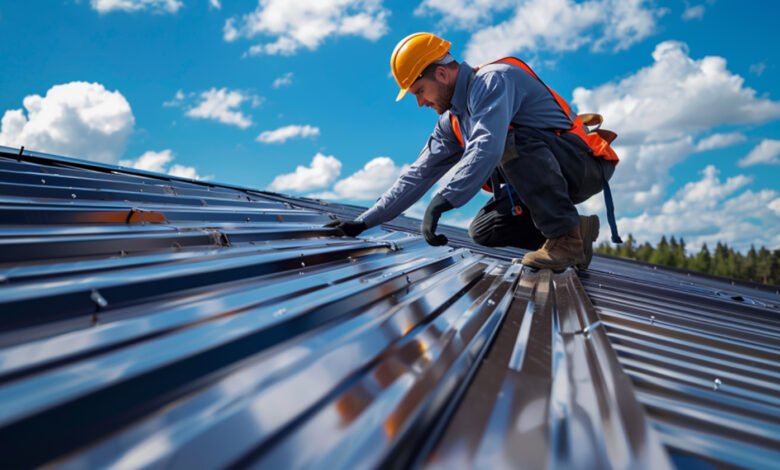
Metal panels or shingles are then installed according to the chosen system. In standing seam systems, panels are secured with concealed fasteners, while in exposed fastener systems, screws are visible and directly secure the panels to the roof deck.
Precision is essential during installation to ensure proper alignment and sealing. Improper installation can lead to leaks, noise issues, or reduced performance. Expansion and contraction due to temperature changes must also be considered, as metal naturally expands and contracts with heat.Professional installation is highly recommended to ensure that all components are properly fitted and sealed for long-term durability.
Maintenance and Care Requirements
Although metal roofing is known for its low maintenance requirements, regular inspections help ensure optimal performance. Periodic checks can identify loose fasteners, debris buildup, or minor surface damage before they become serious issues.
Cleaning the roof surface helps maintain its appearance and prevents the accumulation of dirt, leaves, or organic materials that may affect drainage. In most cases, gentle washing with water is sufficient.
Protective coatings should be inspected over time to ensure they remain intact. If coatings begin to fade or wear, refinishing may be necessary to maintain corrosion resistance and aesthetic appeal.Gutters and drainage systems should also be maintained to prevent water backup, which can impact roof performance over time.
Common Problems and How They Are Addressed
While metal roofing is highly durable, certain issues may arise if installation or maintenance is not properly managed. One common concern is oil canning, which refers to visible waviness in metal panels. Although it does not affect structural integrity, it can impact visual appearance.
Thermal expansion and contraction can also cause movement in panels if not properly accounted for during installation. This is why correct fastening systems and spacing are essential.
Corrosion is rare in modern systems but can occur if protective coatings are damaged or if incompatible metals are used together. Regular inspection helps prevent long-term deterioration.Noise during heavy rain or hail is another concern, although proper insulation and underlayment significantly reduce sound transmission.
Energy Efficiency and Environmental Impact
Metal roofing contributes significantly to energy efficiency by reflecting solar heat and reducing cooling demands. Many modern systems are designed with reflective coatings that enhance this effect, helping buildings maintain stable indoor temperatures.
From an environmental perspective, metal roofing is one of the most sustainable options available. Most metal roofs contain a high percentage of recycled material, and the entire system is recyclable at the end of its life cycle.
This reduces landfill waste and supports sustainable building practices. Additionally, the long lifespan of metal roofing reduces the need for frequent replacements, further minimizing environmental impact.Although the initial cost of metal roofing is higher than many traditional roofing materials, its long-term value is significantly greater. The extended lifespan, reduced maintenance needs, and energy savings all contribute to lower overall lifetime costs.
Property value can also increase due to the durability and aesthetic appeal of metal roofing. Many buyers view it as a premium upgrade that reduces future maintenance concerns.When evaluating cost, it is important to consider not only installation expenses but also long-term savings in repairs, energy bills, and replacement cycles.
Conclusion: A Durable and Forward-Thinking Roofing Solution
Metal roofing represents a modern, efficient, and long-lasting solution for protecting buildings while enhancing energy performance and architectural appeal. Its strength, versatility, and sustainability make it a preferred choice across a wide range of construction projects.
From material selection and design planning to installation and maintenance, each stage of a metal roofing system plays a crucial role in determining its overall performance. When properly installed and maintained, it can provide decades of reliable service with minimal upkeep.
As building standards continue to evolve toward sustainability and efficiency, metal roofing stands out as a forward-thinking investment that combines durability, beauty, and environmental responsibility in one complete system.