Introduction
Severe weather events can cause significant damage to residential and commercial properties, affecting roofs, siding, windows, and structural integrity. High winds, heavy rain, hail, and falling debris can all weaken a building in a short period of time. When this happens, quick and effective storm repair becomes essential to prevent further deterioration and protect the property from long-term issues.
Storm-related damage is often more complex than it appears on the surface. While some issues are visible, such as missing shingles or broken materials, there is often hidden structural damage beneath the exterior layers. Moisture infiltration, weakened roofing systems, and compromised insulation can lead to serious problems if not addressed promptly.Understanding how storm damage affects buildings and how professional restoration works helps property owners take the right steps toward recovery and long-term protection.
How Severe Weather Impacts Buildings
Weather events affect buildings in multiple ways, depending on intensity and duration. High winds can lift and remove roofing materials, exposing the underlying structure to moisture and debris.Heavy rain can overwhelm drainage systems, leading to leaks, water pooling, and interior damage. Hail can cause dents, cracks, and surface damage to roofing and siding materials.
Falling branches and flying debris during storms can puncture roofing systems or damage windows and exterior walls.Even after the storm passes, lingering moisture and structural weaknesses can continue to cause damage if not properly addressed.This is why timely inspection and repair are critical after any severe weather event.
Common Types of Storm-Related Damage
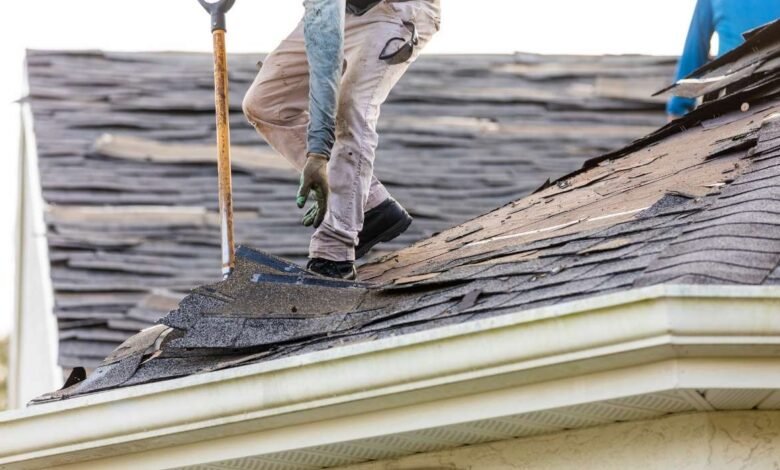
Storm damage can appear in many forms, ranging from minor cosmetic issues to serious structural problems.Roof damage is one of the most common issues, including missing shingles, cracked tiles, or punctured surfaces. Water infiltration often follows, leading to leaks and interior damage.
Gutter systems may become clogged or detached, preventing proper drainage and increasing the risk of water buildup.Siding and exterior walls may suffer cracks, dents, or loosening due to wind pressure and debris impact.
Windows and doors can also be damaged, leading to air leaks and reduced energy efficiency.Understanding these common issues helps property owners identify when professional assistance is needed.
Importance of Immediate Response After Storm Damage
Quick action after a storm is essential to prevent further damage. Even small openings in roofing or exterior structures can allow water to enter, leading to mold growth, insulation damage, and structural weakening.Delaying repairs increases the risk of costly restoration work and long-term structural issues.
Immediate inspection helps identify both visible and hidden damage, ensuring that all affected areas are addressed.Emergency protective measures, such as temporary coverings or sealing exposed areas, can help reduce additional damage before full repairs are completed.This is why storm repair should always begin as soon as possible after severe weather conditions.
Step-by-Step Restoration Process
The storm restoration process begins with a detailed inspection of the entire property. This includes assessing roofing systems, exterior walls, gutters, windows, and structural components.Once damage is identified, a repair plan is developed based on severity and scope. Emergency repairs may be performed first to prevent further water intrusion.
Damaged roofing materials are removed and replaced, ensuring proper sealing and structural integrity.Gutters and drainage systems are repaired or cleared to restore proper water flow.
Siding and exterior surfaces are restored to protect the building envelope.Finally, a full inspection ensures that all issues have been resolved and the structure is secure.A well-executed storm repair process restores both safety and functionality.
Hidden Damage and Long-Term Risks
One of the biggest challenges after a storm is identifying hidden damage. While exterior damage may be obvious, internal issues often go unnoticed without professional inspection.Moisture trapped beneath roofing layers can lead to mold growth and wood rot.
Structural weakening may not be immediately visible but can compromise long-term safety.Insulation damage can reduce energy efficiency and increase utility costs.Electrical systems may also be affected if water intrusion occurs in critical areas.Addressing hidden damage is essential for complete restoration and long-term protection.
Importance of Professional Assessment
Professional inspection plays a key role in accurate damage evaluation. Experts use specialized tools and techniques to detect issues that are not visible to the naked eye.Infrared imaging can identify moisture trapped within roofing or wall systems.
Structural assessments help determine whether repairs or replacements are needed.Experienced technicians can distinguish between minor damage and serious structural concerns.For reliable and comprehensive solutions, storm repair services provide expert inspection, restoration, and long-term protection designed to restore safety and durability.Professional assessment ensures that no damage is overlooked during the restoration process.
Preventive Measures for Future Storms
While storms cannot be prevented, their impact can be minimized through proper preparation. Regular maintenance of roofing systems helps identify weak points before severe weather occurs.Securing loose materials reduces the risk of wind damage.
Keeping gutters clean ensures proper drainage during heavy rainfall.Trimming nearby trees reduces the risk of falling branches damaging the structure.Installing impact-resistant materials can improve durability against hail and debris.These preventive steps help reduce the severity of future storm damage.
Role of Roofing in Storm Protection
The roof is the most vulnerable part of any building during a storm. It serves as the primary barrier against wind, rain, and debris.A strong roofing system prevents water intrusion and protects the structural framework of the building.
Damaged roofing systems are one of the main causes of interior water damage after storms.Regular maintenance and timely repairs ensure that the roof remains strong and resilient.Properly executed storm repair often focuses heavily on restoring roofing integrity.
Energy Efficiency and Structural Recovery
Storm damage can significantly affect energy efficiency. Damaged roofing and insulation allow air leaks that increase heating and cooling costs.Restoring structural integrity helps maintain stable indoor temperatures.
Proper sealing and insulation repairs improve overall energy performance.A fully restored structure reduces long-term energy consumption and improves comfort.Energy efficiency is an important part of complete storm recovery.
Environmental Impact of Storm Damage
Storm damage can also have environmental consequences. Damaged structures often lead to increased waste due to replacement materials.Water leaks and structural issues can reduce energy efficiency, increasing environmental impact.
Proper restoration helps minimize waste by repairing and reinforcing existing structures.Using durable materials reduces the frequency of future repairs and replacements.Sustainable repair practices contribute to long-term environmental responsibility.
Technological Advancements in Storm Restoration
Modern technology has significantly improved storm damage assessment and repair. Drones are now commonly used for roof inspections, allowing safe and accurate evaluations.Infrared scanning helps detect hidden moisture and structural weaknesses.
Advanced repair materials provide stronger resistance to future storms.Digital modeling tools assist in planning efficient restoration strategies.These innovations have made storm damage recovery faster, safer, and more reliable.
Future of Storm Protection and Restoration
The future of storm protection focuses on resilience and smart monitoring systems. Buildings will increasingly use impact-resistant and weather-adaptive materials.Smart sensors may detect structural weaknesses in real time, allowing early intervention.
Eco-friendly and durable materials will reduce environmental impact and improve long-term performance.Advanced construction methods will continue to improve storm resistance and recovery efficiency.These developments will enhance safety and reduce long-term repair costs.
Conclusion
Severe weather can cause significant damage to buildings, making timely response and proper restoration essential. Understanding the effects of storms and the importance of professional repair helps property owners protect their investments.Effective restoration involves thorough inspection, immediate action, and long-term repair solutions that address both visible and hidden damage. With professional storm repair and proper maintenance, buildings can be restored to full strength, ensuring safety, durability, and long-term protection against future weather events.