Introduction
Outdoor living spaces have become an essential extension of modern homes, offering functionality, comfort, and aesthetic appeal beyond interior walls. Among the most important elements that define these outdoor environments is the structural design and material foundation, commonly known as hardscaping. Unlike landscaping, which focuses on plants and natural greenery, hardscaping involves the use of permanent, non-living materials such as stone, concrete, pavers, wood, and brick to create functional and visually appealing outdoor areas.
The role of hardscaping goes far beyond decoration. It provides structure, defines usable spaces, improves accessibility, and enhances property value. Whether it is a patio, walkway, driveway, retaining wall, or pool deck, well-planned hardscaping ensures that outdoor areas remain durable, practical, and visually cohesive for many years. As homeowners increasingly invest in outdoor living, the demand for professional design and installation has grown significantly, making hardscaping a key component of modern property development.
Understanding the principles, benefits, materials, and long-term value of hardscaping helps property owners make informed decisions when planning outdoor improvements. It also ensures that installations are not only visually appealing but also structurally sound and capable of withstanding environmental stress over time.
Understanding the Role of Hardscaping in Outdoor Design
Hardscaping serves as the foundation of any outdoor environment by creating structure and usability. While softscape elements such as grass, plants, and trees add natural beauty, they rely heavily on hardscape elements to define boundaries and functionality. For example, a garden path made from stone allows easy movement through a yard, while a retaining wall provides stability and prevents soil erosion.
The concept of hardscaping also includes the strategic planning of outdoor flow and usability. A well-designed outdoor space ensures that different areas such as seating zones, cooking areas, walkways, and decorative features are seamlessly integrated. Without proper structure, outdoor spaces can feel disorganized and underutilized.
In modern residential design, hardscaping is no longer considered optional but essential. It transforms ordinary yards into functional living environments where families can gather, entertain guests, and enjoy outdoor activities. This transformation significantly increases both lifestyle quality and property value.
Key Elements That Define Quality Hardscaping
Several components contribute to effective and long-lasting hardscaping. Each element plays a specific role in ensuring durability, functionality, and visual appeal. Common components include patios, walkways, driveways, retaining walls, fire pits, outdoor kitchens, and water features.
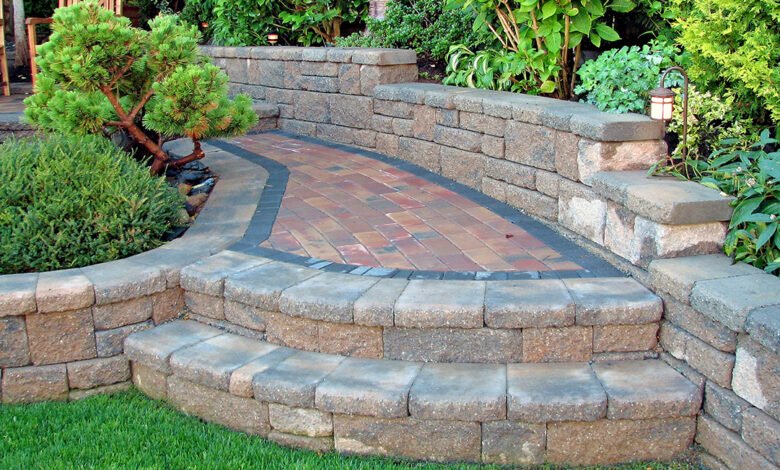
Patios serve as central gathering areas, often constructed using stone or concrete pavers. Walkways provide safe and structured movement throughout outdoor spaces. Driveways not only support vehicle traffic but also contribute significantly to curb appeal. Retaining walls are essential for managing elevation changes and preventing erosion, while decorative elements such as fire pits and seating walls enhance usability.
Each of these features must be carefully planned to ensure proper drainage, load-bearing capacity, and material compatibility. Poor planning can lead to cracking, shifting, or water damage, reducing the lifespan of the entire installation. This is why professional design and installation are critical for successful outcomes.
Popular Materials Used in Hardscaping Projects
Material selection plays a crucial role in the success of any outdoor project. The most commonly used materials in hardscaping include natural stone, concrete, brick, and pavers. Each material offers unique advantages depending on design goals, budget, and environmental conditions.
Natural stone is highly valued for its durability and timeless appearance. It blends naturally with outdoor environments and offers a premium aesthetic. Concrete is widely used due to its versatility, affordability, and strength. It can be molded into various shapes and finishes, making it suitable for modern designs.
Brick provides a classic and traditional look, often used in pathways and patios. Interlocking pavers are among the most popular choices due to their flexibility, ease of repair, and wide range of design options. These materials are engineered to withstand heavy use and changing weather conditions, making them ideal for long-term installations.
Selecting the right material requires balancing aesthetics, durability, and maintenance needs. Proper installation ensures that the chosen material performs effectively over time without requiring frequent repairs or replacements.
Planning and Design Considerations for Outdoor Spaces
Effective hardscaping begins with detailed planning and design. This includes evaluating the property layout, understanding soil conditions, and identifying drainage patterns. A well-planned design ensures that water flows away from structures, preventing pooling and structural damage.
Design also involves creating a balance between functionality and aesthetics. Outdoor spaces should be visually appealing while remaining practical for everyday use. This requires careful placement of features such as seating areas, pathways, and decorative elements.
Another important consideration is scale and proportion. Overcrowding an outdoor space with too many features can make it feel cramped, while underutilizing the space can reduce functionality. A balanced approach ensures that every element contributes to the overall design.
Professional input is often necessary during the planning stage to ensure that technical requirements such as load distribution, material compatibility, and environmental exposure are properly addressed.
Installation Process and Structural Importance
The installation process in hardscaping is highly technical and requires precision at every stage. It typically begins with site preparation, including excavation, grading, and soil stabilization. This step is crucial for ensuring a stable foundation that can support the weight and structure of the materials being installed.
Once the base is prepared, materials such as gravel and sand are layered to create a stable foundation. Pavers or stones are then carefully placed according to the design layout. Proper alignment and spacing are essential to ensure both visual consistency and structural integrity.
Compaction and sealing are often performed to lock materials in place and prevent shifting over time. Drainage systems are also integrated to manage water flow and prevent damage caused by moisture accumulation.
Professional installation ensures that all these steps are executed correctly, reducing the risk of future repairs and extending the lifespan of the project.
Maintenance Requirements for Long-Term Durability
One of the advantages of hardscaping is its relatively low maintenance compared to traditional landscaping. However, regular upkeep is still necessary to preserve its appearance and functionality.
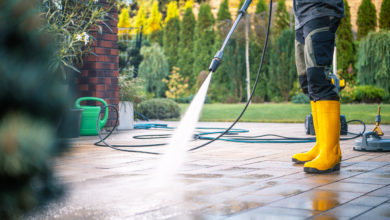
Routine cleaning helps remove dirt, debris, and organic buildup that can accumulate over time. Sealing surfaces such as stone or concrete can protect against moisture penetration and staining. Joint sand in paver systems may need occasional replenishment to maintain stability.
Inspecting for cracks, shifting, or drainage issues ensures that small problems are addressed before they become major repairs. Proper maintenance not only extends the lifespan of hardscape features but also preserves their visual appeal.
Benefits of Professional Outdoor Design Services
Working with experienced professionals ensures that outdoor projects are completed with precision and long-term performance in mind. Experts understand material behavior, environmental challenges, and structural requirements that may not be obvious during DIY installations.
Professional services also provide design expertise that helps maximize space utilization and aesthetic appeal. From concept development to final installation, each step is carefully managed to ensure quality results.
For homeowners seeking reliable solutions, professional hardscaping services offer comprehensive planning, installation, and maintenance support designed to create durable and visually appealing outdoor environments. Long-Term Value and Property Enhancement
Investing in outdoor structural design significantly increases property value and usability. Well-designed outdoor spaces create additional living areas that enhance lifestyle quality and entertainment options. They also improve curb appeal, making properties more attractive to potential buyers.
The durability of materials used in these projects ensures long-term performance with minimal maintenance costs. Over time, the return on investment becomes evident through increased property value and reduced repair expenses.
In addition, professionally designed outdoor environments contribute to better space organization, improved safety, and enhanced environmental integration.
Conclusion
Outdoor environments are no longer just empty spaces surrounding a home; they are functional extensions of living areas that require careful planning and execution. Hardscaping provides the structural foundation needed to transform these spaces into durable, practical, and visually appealing environments.
From material selection to design planning and professional installation, every step plays a crucial role in ensuring long-term performance. When executed correctly, hardscaping not only enhances property aesthetics but also improves usability and value.
By investing in quality materials and expert installation, homeowners can create outdoor spaces that remain strong, functional, and beautiful for years to come.