Introduction
Modern plumbing systems are designed to efficiently transport wastewater away from homes, businesses, and industrial spaces, ensuring hygiene, safety, and comfort. However, over time, these systems can develop blockages caused by grease buildup, food waste, soap residue, hair accumulation, foreign objects, and even tree root intrusion. When these issues occur, they can disrupt water flow, cause unpleasant odors, and lead to serious plumbing failures if not addressed promptly. One of the most reliable and widely used methods for resolving such issues is sewer snaking, a mechanical drain cleaning technique that helps clear obstructions inside pipes and restore proper flow. This method has become an essential part of modern plumbing maintenance because it is effective, efficient, and minimally invasive compared to traditional digging or pipe replacement methods. Understanding how this process works and why it is important helps property owners maintain long-lasting and trouble-free drainage systems.
Understanding Drain Blockage in Modern Plumbing Systems
Drain blockage is one of the most common plumbing problems faced in residential and commercial properties. It occurs when materials accumulate inside pipes and restrict the flow of water. In kitchens, grease and food particles often stick to pipe walls and gradually build up over time. In bathrooms, hair, soap scum, and dirt combine to form stubborn clogs. Toilets and main sewer lines can also become blocked due to non-flushable items or excessive waste accumulation. In underground systems, tree roots are a major cause of blockage as they naturally grow toward moisture and enter pipes through small cracks or joints. As these obstructions increase, water flow slows down and eventually stops completely. Without proper cleaning methods such as sewer snaking, these issues can escalate into major plumbing emergencies.
What Is Sewer Snaking and How It Works
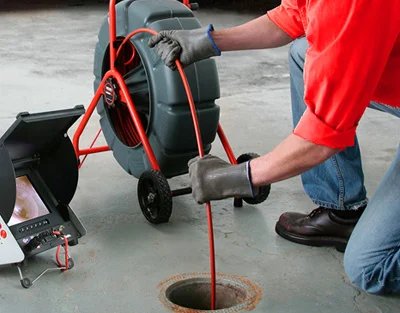
Sewer snaking is a mechanical method used to clear clogged drains and sewer lines using a flexible metal cable known as a drain auger or plumbing snake. This cable is inserted into the drain through an access point and gradually pushed deeper into the pipe. At the end of the cable is a rotating head designed to cut through, break apart, or retrieve blockages. As the cable moves through the pipe, it rotates to dislodge debris and clear obstructions. Once the blockage is broken or removed, water flow is restored to normal. Sewer snaking is widely used because it can handle a variety of blockages without requiring excavation or major pipe replacement. It is one of the most practical and efficient solutions in modern drain maintenance.
Common Causes of Sewer Line Blockages
Sewer line blockages can occur due to multiple factors. One of the most common causes is grease buildup from kitchen waste, which hardens inside pipes and narrows the passage for water flow. Hair and soap residue in bathroom drains also contribute to clog formation over time. Foreign objects accidentally flushed down toilets can create serious obstructions in the system. Tree root intrusion is another major issue, as roots seek moisture and penetrate small cracks in underground pipes, eventually expanding and causing severe damage. Additionally, aging pipes may corrode or collapse, leading to restricted flow or complete blockage. These conditions often require sewer snaking to restore proper drainage and prevent further complications.
Signs That Indicate a Sewer Problem
Recognizing early signs of a sewer issue is important to avoid costly repairs and major plumbing damage. One of the first signs is slow drainage in sinks, bathtubs, or toilets. Gurgling sounds coming from drains may indicate trapped air caused by partial blockages. Foul odors from plumbing fixtures are another common warning sign of buildup inside pipes. Water backups or overflow situations suggest more serious blockages that require immediate attention. In some cases, multiple drains in a property may be affected at the same time, indicating a main sewer line problem. When these symptoms appear, sewer snaking is often used as a first-line solution to restore normal flow and prevent further damage.
Importance of Sewer Snaking in Modern Drain Maintenance
Sewer snaking plays a crucial role in maintaining healthy plumbing systems. It provides a quick and effective way to remove blockages before they turn into major problems. Unlike traditional methods that require digging and pipe replacement, this technique is minimally invasive and cost-effective. It helps maintain smooth water flow, reduces pressure on pipes, and prevents long-term damage. Regular use of sewer snaking can also extend the lifespan of drainage systems by preventing buildup and reducing strain on plumbing infrastructure. In modern maintenance practices, it is considered an essential tool for both emergency response and preventive care.
Step-by-Step Process of Sewer Snaking
The process begins by identifying the location of the blockage through symptoms or inspection tools. Once the access point is found, the drain snake is carefully inserted into the pipe. The technician slowly feeds the cable deeper while rotating it to break through or hook the obstruction. As it moves through bends and curves, the flexible cable adapts to the pipe structure. Once the blockage is reached, the rotating head either cuts through debris or pulls it out of the system. After clearing the obstruction, water flow is tested to ensure the pipe is functioning properly. In many cases, the system is flushed to remove any remaining residue and confirm complete clearance.
Benefits of Sewer Snaking for Drain Cleaning
Sewer snaking offers several important benefits in drain maintenance. One of the main advantages is its ability to remove a wide range of blockages, including grease, hair, and solid debris. It is also highly cost-effective because it eliminates the need for excavation or pipe replacement in most cases. The process is quick, allowing technicians to restore flow within a short period. Another major benefit is that it is non-destructive, meaning it does not damage surrounding structures or landscaping. It is also versatile and can be used in both residential and commercial plumbing systems. These advantages make sewer snaking one of the most commonly used solutions in modern plumbing.
Limitations of Sewer Snaking
While sewer snaking is highly effective, it does have some limitations. It may not fully remove heavy grease buildup that has hardened over time. In cases where pipes are severely damaged, collapsed, or corroded, more advanced repair methods may be required. Deep or complex blockages may also require multiple attempts or additional cleaning techniques. Despite these limitations, sewer snaking remains one of the most practical and widely used methods for handling common drain issues.
When Sewer Snaking Is Required
This method is typically required when drains become slow, blocked, or completely non-functional. It is also used when multiple fixtures in a property are affected simultaneously, indicating a main sewer line blockage. Sewer snaking is often used when basic cleaning methods fail to resolve the issue. It is also recommended as part of routine maintenance to prevent buildup and ensure smooth drainage. In emergency situations where water backup occurs, it provides a fast and effective solution.
Professional Sewer Snaking vs DIY Methods
While basic drain snakes are available for homeowners, professional services offer significantly better results. DIY tools are usually suitable for small or shallow clogs but are not effective for deep or severe blockages. Professional technicians use advanced equipment designed for sewer snaking that can reach deeper into the system and handle complex obstructions. They also have the experience to avoid damaging pipes during the process. Professional services ensure that the blockage is fully cleared and that the system is functioning properly after treatment.
Preventive Maintenance for Sewer Systems
Preventive maintenance is essential for reducing the risk of sewer blockages. Regular cleaning helps remove buildup before it becomes a serious issue. Avoiding the disposal of grease, oil, and solid waste into drains can significantly reduce clog formation. Installing drain strainers helps prevent debris from entering the system. Periodic inspections also allow early detection of potential problems. Including sewer snaking as part of a maintenance routine ensures long-term efficiency and reduces the need for emergency repairs.
Long-Term Value of Sewer Snaking
Sewer snaking provides long-term value by maintaining the efficiency and reliability of plumbing systems. It helps prevent major blockages that could lead to expensive repairs or system failures. Regular use of this method improves water flow and reduces stress on pipes. It also extends the lifespan of drainage systems by preventing buildup and structural damage. Over time, it reduces maintenance costs and ensures consistent performance, making it a valuable part of modern plumbing care.
Conclusion
Sewer blockages are a common but serious issue in plumbing systems that can disrupt daily life and cause significant damage if not addressed properly. Sewer snaking is one of the most effective and widely used methods for clearing these blockages and maintaining proper drainage. It provides a fast, cost-effective, and non-invasive solution for restoring water flow and preventing future problems. By understanding how this process works and when it should be used, property owners can ensure long-lasting performance and reliability in their plumbing systems. With proper maintenance and timely intervention, sewer systems can remain efficient, durable, and problem-free for many years.