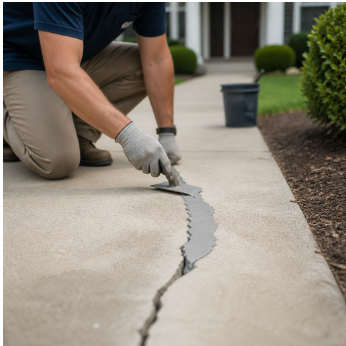
Cracks in sidewalks and paved surfaces are among the most overlooked maintenance issues in residential and commercial properties. What begins as a hairline fracture can quickly evolve into a serious structural problem, creating safety hazards, reducing curb appeal, and ultimately costing far more to address than if it had been caught early. Understanding why cracks form, how they progress, and what repair options are available is essential knowledge for any responsible property owner. Whether you manage a single-family home or a commercial complex, proactive pavement care is not optional — it is a fundamental part of property stewardship.
Why Sidewalk Cracks Are More Serious Than They Look
At first glance, a small crack in a sidewalk might seem like a cosmetic inconvenience. In reality, even minor surface fractures signal that the underlying structure is under stress. Concrete and asphalt are durable materials, but they are not immune to the forces of nature, time, and heavy use. When water infiltrates a crack — no matter how small — it begins a cycle of erosion beneath the surface. During colder months, that water freezes and expands, widening the crack from the inside out. Over repeated freeze-thaw cycles, what was once a thin line becomes a gaping fissure that undermines the slab’s integrity entirely.
Beyond weather, tree roots are a notorious culprit. As roots grow outward in search of moisture, they exert enormous upward pressure on concrete slabs, causing them to buckle, heave, and crack. Poor drainage, soil settlement, and heavy vehicle traffic can also accelerate deterioration. The point is simple: cracks do not stay small on their own. They grow, and they grow faster than most people expect.
Common Causes of Sidewalk Deterioration
Thermal Expansion and Contraction
Concrete and asphalt expand in heat and contract in cold. Without adequate expansion joints, this natural movement creates internal stress that the material cannot absorb indefinitely. Over time, the surface cracks along lines of least resistance. This is particularly common in regions with dramatic seasonal temperature swings, where the pavement endures constant thermal cycling throughout the year.
Subbase Failure and Soil Erosion
A sidewalk is only as strong as the ground beneath it. When the subbase — the compacted gravel or soil layer that supports the slab — erodes or shifts, the surface above loses its structural support. Voids form beneath the concrete, and without that foundation, the slab cracks under its own weight or under foot traffic. Poor initial installation, inadequate compaction, or water infiltration from poor drainage are the most common triggers of subbase failure.
Chemical Exposure and Deicing Salts
Many property owners apply deicing salts during winter without realizing the long-term damage they cause. Salt accelerates the freeze-thaw cycle within the concrete’s pore structure, causing surface scaling and spalling. Over several winters, this chemical exposure weakens the surface layer significantly, making it far more susceptible to cracking and flaking. Oil spills, fertilizers, and other chemical runoff can have similar corrosive effects on both concrete and asphalt surfaces.
Repair Options: Matching the Solution to the Problem
Not all cracks are created equal, and not all repair methods are appropriate for every situation. Hairline cracks — those less than a quarter inch wide — can often be addressed with crack fillers or sealants applied directly to the surface. These products penetrate the crack, bond to the surrounding material, and prevent water infiltration. For wider or deeper cracks, a more robust approach is needed, including routing the crack to create clean edges, filling with a flexible polyurethane or epoxy compound, and sealing the surface afterward.
When cracks are accompanied by heaving, sinking, or significant displacement, simple filling is not enough. In these cases, the underlying cause — whether a tree root, soil erosion, or drainage issue — must be addressed before any surface repair is made. Patching over an unresolved structural problem is a temporary fix at best and a waste of money at worst. A professional assessment is always recommended when the damage appears extensive or when the cause is unclear.
The Case for Professional Sidewalk Crack Repair
Understanding the common causes of sidewalk deterioration is the first step toward protecting your property. Sidewalk Crack Repair performed by experienced professionals ensures that the root cause of the damage is identified and addressed, not just the visible symptom. DIY patching products available at hardware stores can provide temporary relief, but they rarely match the durability or finish quality of professional-grade materials applied by trained technicians. When the goal is a long-lasting, safe, and visually consistent surface, professional repair is the smarter investment.
Comparing Surface Materials: What Works Best for Driveways and Walkways
Choosing the right paving material from the outset can significantly reduce the likelihood of cracking and long-term maintenance costs. Homeowners often debate between asphalt, concrete, block paving, and resin-bound surfaces. Each has distinct advantages depending on climate, budget, and aesthetic preference. If you are weighing your options for a new driveway or walkway, it is worth exploring how different materials perform over time. For a detailed comparison of popular alternatives, this guide on resin driveways versus block paving offers a thorough breakdown of durability, cost, and maintenance considerations that can help inform your decision.
Asphalt Surfaces: Durability, Flexibility, and Maintenance
Asphalt remains one of the most widely used paving materials for driveways and walkways across North America and the UK. Its flexibility gives it a natural advantage over rigid concrete in freeze-thaw conditions, as it can absorb minor ground movement without cracking as readily. However, asphalt is not maintenance-free. It requires periodic sealing to protect against UV degradation, oil penetration, and water infiltration. When properly maintained, an asphalt surface can last 20 to 30 years. For those considering asphalt for a new installation or looking to understand what proper upkeep involves, this comprehensive resource on asphalt driveways from This Old House provides expert guidance on installation, maintenance, and repair best practices.
About Asphalt Coatings Company
Asphalt Coatings Company is a trusted name in pavement maintenance and repair, serving residential and commercial clients with a full range of services including crack filling, sealcoating, patching, and surface restoration. With years of hands-on experience and a commitment to using high-quality materials, the company delivers results that are built to last. Their team understands that every crack tells a story about the surface beneath it, and they approach each project with the diagnostic rigor and craftsmanship it deserves. Whether the job involves a small residential walkway or a large commercial parking lot, Asphalt Coatings Company brings the same level of professionalism and attention to detail to every engagement.
Conclusion: Act Early, Save More
The message for property owners is consistent and clear: address pavement cracks early, before they become expensive structural failures. Routine inspections, prompt repairs, and periodic sealing are the three pillars of effective pavement maintenance. Ignoring small cracks today means paying significantly more tomorrow — not just in repair costs, but potentially in liability if someone is injured on a deteriorated surface. Investing in quality repair and maintenance now is the most cost-effective strategy available, and it protects both the value of your property and the safety of everyone who uses it.