Introduction
A roof is one of the most essential components of any structure, yet it is also one of the most vulnerable to long-term wear and environmental stress. It serves as the primary barrier between a building’s interior and external conditions such as rain, wind, sunlight, heat, and debris. When this protective layer begins to fail, the consequences can extend far beyond simple leaks, potentially affecting insulation, structural framing, indoor air quality, and overall property safety. This is why roof repair is not just a maintenance task but a critical part of preserving the long-term value and functionality of any building.
Over time, even well-constructed roofing systems deteriorate due to natural aging, weather exposure, and mechanical stress. Small issues that appear insignificant at first can gradually escalate into major structural concerns if they are not addressed promptly. Understanding how roofing systems degrade, what warning signs to look for, and how professional repair methods restore performance is essential for responsible property management.
How Roofing Systems Are Built and Why They Fail
A roofing system is not a single material but a layered structure designed to work together to protect the building. The outer layer, whether composed of shingles, metal panels, tiles, or membrane systems, acts as the first line of defense against weather exposure. Beneath this layer lies an underlayment that provides secondary waterproofing protection, followed by insulation materials and structural decking that support the entire system.
Ventilation components are also critical because they regulate temperature and moisture levels within attic spaces. Without proper airflow, condensation can accumulate, leading to mold growth, wood rot, and insulation damage.
Roof failure typically occurs when one or more of these components degrade or become compromised. Since all layers depend on one another, damage in a single area can quickly spread throughout the system. This interconnected nature makes timely roof repair essential to preventing widespread deterioration.
Common Causes of Roof Damage
Roofing systems are exposed to constant environmental pressure, which gradually reduces their effectiveness. One of the most common causes of damage is prolonged weather exposure. Heavy rainfall can penetrate small cracks, strong winds can lift or loosen roofing materials, and UV radiation from sunlight can dry out and weaken surfaces over time.
Another major factor is natural aging. Roofing materials have a finite lifespan, and as they age, they lose flexibility, adhesion strength, and resistance to environmental stress.Improper installation is also a frequent cause of early failure. If shingles, flashing, or membranes are not installed correctly, they may create weak points where water can enter the structure.
Blocked drainage systems can worsen the situation by allowing water to pool on the roof surface. Standing water increases the likelihood of leaks and accelerates material breakdown.Physical damage from falling branches, debris, or storm impact can also create immediate structural issues requiring urgent roof repair.
Early Warning Signs of Roofing Problems
Identifying roof issues early can prevent costly structural damage. One of the most noticeable warning signs is water staining on ceilings or interior walls, which often indicates that moisture has already passed through multiple roofing layers.
Missing, cracked, or curled shingles are another clear sign of deterioration. These defects expose the underlying structure to direct environmental exposure.Granule loss on asphalt shingles is also a common indicator of aging. As protective granules wear away, shingles become less effective at resisting UV damage and water penetration.Sagging roof sections are a more serious concern and may indicate structural weakening caused by prolonged moisture exposure or compromised support beams.
Increased energy bills can also signal roofing problems, as damaged insulation or ventilation systems reduce the building’s ability to regulate temperature efficiently.Recognizing these signs early allows for timely roof repair, helping to prevent further damage and reduce long-term costs.
Importance of Timely Roof Repair
Delaying roof maintenance can lead to a chain reaction of structural issues. What begins as a small leak can eventually damage insulation, weaken wooden framing, and encourage mold growth inside the structure. Over time, these problems become significantly more expensive and difficult to resolve.Timely intervention ensures that minor issues are addressed before they escalate. It also helps maintain the energy efficiency of the building by preserving insulation performance and preventing air leakage.
In many cases, early roof repair is far more cost-effective than full roof replacement. Regular maintenance and quick response to damage significantly extend the lifespan of roofing systems and reduce long-term financial burden.
Roof repair techniques vary depending on the type and severity of the damage. Minor issues such as isolated leaks or small material defects are often resolved through patching or targeted replacement of affected sections.
Flashing repair is another common method used to seal vulnerable areas around chimneys, skylights, and roof joints. Damaged flashing is one of the most frequent sources of leaks and must be properly sealed or replaced.
For more extensive damage, partial roof replacement may be required. This involves removing and replacing a specific section of the roof while preserving the remaining structure.In cases where structural components are affected, reinforcement of decking or support beams may be necessary to restore stability and safety.Each roof repair method is chosen based on a careful assessment of the roof’s condition, material type, and long-term performance requirements.
Materials Used in Roofing Systems
Modern roofing systems use a variety of materials, each with distinct advantages. Asphalt shingles are widely used due to affordability and ease of installation, making them a common choice for residential buildings.
Metal roofing systems offer high durability and strong resistance to extreme weather conditions, often lasting significantly longer than traditional materials.Clay and concrete tiles provide excellent thermal performance and aesthetic appeal but require strong structural support due to their weight.
Synthetic roofing materials are increasingly popular due to their lightweight design, durability, and ability to replicate the appearance of natural materials.Understanding material characteristics is important when planning roof repair, as compatibility with existing systems ensures long-term effectiveness.
Preventive Maintenance and Roof Longevity
Preventive maintenance is one of the most effective ways to extend roof lifespan. Regular inspections help identify early signs of wear and allow for timely intervention.
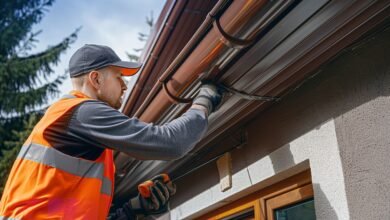
Cleaning gutters and drainage systems ensures proper water flow and prevents pooling that can damage roofing materials. Removing debris such as leaves and branches reduces surface stress and improves drainage efficiency.
Routine maintenance also includes checking for loose or damaged shingles, inspecting flashing, and ensuring proper ventilation.When performed consistently, preventive care significantly reduces the need for emergency roof repair and improves overall system reliability.
Many roofing issues arise from preventable mistakes. One of the most common is ignoring early warning signs such as small leaks or discoloration. These minor indicators often signal deeper issues that worsen over time.Another mistake is attempting complex repairs without proper training or safety equipment, which can lead to accidents or improper fixes.Using low-quality materials during repairs can also result in repeated failures and increased long-term costs.
Delaying maintenance due to budget concerns often leads to more expensive repairs later, as damage spreads and affects multiple layers of the roof.Avoiding these mistakes ensures more effective and durable roof repair outcomes.
Safety Considerations in Roofing Work
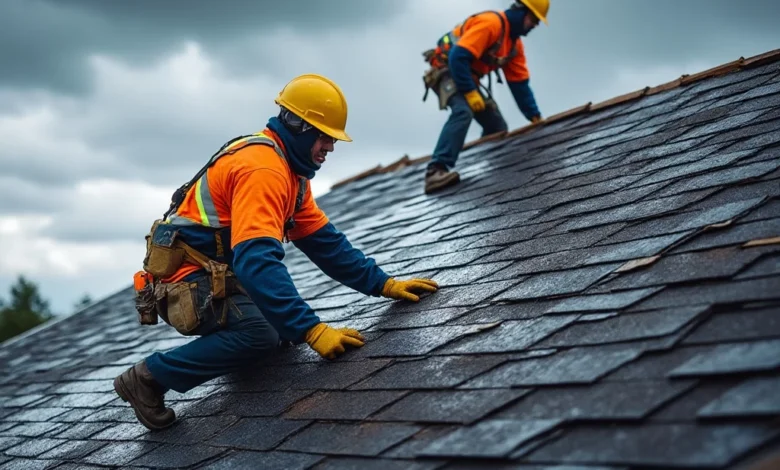
Roofing work involves significant safety risks due to height, slope, and environmental conditions. Proper safety equipment such as harnesses, stable ladders, and non-slip footwear is essential.Weather conditions must also be considered before performing any repair work, as wet or windy surfaces increase the risk of accidents.
Professional roofing technicians follow strict safety protocols to ensure both worker protection and high-quality repair outcomes.Homeowners are generally advised to avoid performing roof repairs themselves unless the issue is minor and safely accessible.A well-maintained roof contributes significantly to energy efficiency. Proper insulation helps regulate indoor temperatures by reducing heat loss in winter and minimizing heat gain in summer.
Ventilation systems also play a key role by preventing moisture buildup and improving airflow within attic spaces.Reflective roofing materials can further enhance efficiency by reducing heat absorption from sunlight.Effective roof repair therefore not only restores structural integrity but also improves overall energy performance and reduces utility costs.
Conclusion
Maintaining a roof properly provides long-term structural, financial, and comfort-related benefits. It extends the lifespan of the entire building envelope and reduces the need for costly replacements.
A well-maintained roof also improves property value, as buyers often prioritize structural condition when evaluating real estate.Enhanced indoor comfort, improved energy efficiency, and reduced risk of water damage further contribute to long-term savings.Overall, consistent maintenance and timely roof repair ensure lasting protection and stability for any structure.
A roof is one of the most important structural systems in any building, providing essential protection against environmental exposure and ensuring long-term safety and comfort. Over time, natural aging and weather conditions can lead to gradual deterioration that must be addressed promptly to prevent serious damage.
Through regular inspections, preventive maintenance, and timely roof repair, property owners can significantly extend the lifespan of their roofing systems and avoid costly structural failures. Addressing issues early not only preserves physical integrity but also enhances energy efficiency and overall property value.In the long run, a proactive approach to roof care ensures a safer, more durable, and more efficient building environment.