Introduction
Outdoor living spaces have become an essential extension of modern homes, offering areas for relaxation, recreation, gardening, and social gatherings. However, as property layouts become more open and densely situated, maintaining personal space and security has become increasingly important. One of the most effective ways to achieve both privacy and boundary definition is through the installation of a privacy fence.
A privacy fence is more than just a physical barrier; it is a functional and aesthetic structure that enhances safety, reduces noise, improves visual appeal, and defines property lines. Whether used in residential backyards, commercial properties, or recreational spaces, it provides a balance between openness and seclusion that supports comfortable outdoor living.
Understanding the materials, design options, installation process, and long-term benefits of privacy fencing helps property owners make informed decisions that improve both lifestyle and property value.
What a Privacy Fence Is and Why It Matters
A privacy fence is a tall, solid or semi-solid barrier designed to limit visibility into a property while also marking its boundaries. Unlike decorative or low-height fencing, its primary purpose is to create a secluded environment where occupants can enjoy outdoor spaces without outside observation.
In addition to privacy, it also contributes to security by deterring unauthorized access and providing a controlled entry point to the property. It can also reduce noise from nearby roads, neighbors, or commercial areas, creating a more peaceful outdoor environment.A well-designed privacy fence serves both functional and aesthetic purposes, making it a valuable addition to many property types.
Common Materials Used in Privacy Fencing
Privacy fences are available in a variety of materials, each offering different levels of durability, maintenance requirements, and visual appeal.
Wood is one of the most traditional and widely used materials. It offers a natural appearance and can be customized with stains, paints, and designs. However, it requires regular maintenance to protect against weather damage, rot, and insects.
Vinyl fencing is a popular low-maintenance alternative. It is resistant to moisture, fading, and pests, making it a durable long-term option.Composite fencing combines wood fibers and synthetic materials to provide the appearance of wood with improved durability and reduced maintenance needs.
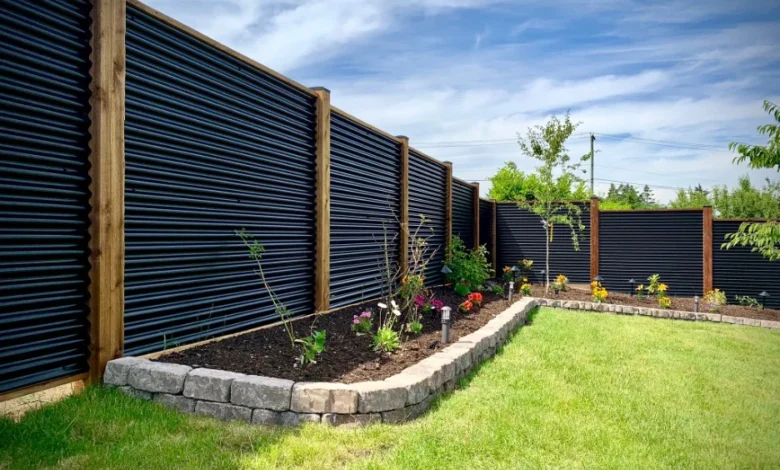
Metal options such as aluminum or steel are sometimes used in combination with panels or decorative inserts to enhance strength and design versatility.Each material affects the overall performance and appearance of a privacy fence, making selection an important part of the planning process.
Design Styles and Aesthetic Considerations
Privacy fences are available in multiple design styles that can complement different architectural themes. Solid panel designs provide maximum privacy by eliminating gaps between boards.
Board-on-board designs overlap wooden panels to prevent visibility even when materials naturally shrink or expand.Lattice-top fences combine solid lower sections with decorative open patterns at the top, offering a balance between privacy and visual openness.
Horizontal slat designs are increasingly popular in modern architecture due to their clean, contemporary appearance.The design of a privacy fence plays a key role in how it integrates with the surrounding landscape and building structure.Proper installation is essential for ensuring stability, durability, and long-term performance. The process begins with planning and measuring the property boundaries accurately to ensure compliance with local regulations and avoid disputes.
Post holes are then dug at regular intervals and filled with concrete to secure the fence posts firmly in place.Once the posts are set and aligned, horizontal rails are attached to provide structural support for the panels.
Fence boards or panels are then installed, followed by finishing elements such as caps, stains, or protective coatings.A properly installed privacy fence should be level, structurally sound, and resistant to environmental stress such as wind and moisture.
Benefits of Installing a Privacy Fence
One of the primary benefits of a privacy fence is enhanced seclusion. It creates a personal outdoor space that is shielded from outside view, allowing homeowners to enjoy their yards comfortably.Security is another important advantage. A tall, solid barrier discourages trespassing and helps protect children and pets within the property.
Noise reduction is also a significant benefit, especially in urban or high-traffic areas. The structure helps absorb and block sound, creating a quieter environment.A privacy fence can also improve property value by enhancing curb appeal and making outdoor spaces more functional and attractive.
Overall, a well-constructed privacy fence contributes to comfort, safety, and aesthetic improvement.While privacy fences offer many benefits, they also require proper maintenance depending on the material used. Wooden fences, for example, need periodic sealing or painting to protect against moisture and UV damage.Vinyl and composite fences require less maintenance but still need occasional cleaning to remove dirt and debris.
Structural issues such as leaning posts, loose panels, or weather damage may develop over time, especially in areas with strong winds or heavy rainfall.Regular inspections help identify and address these issues early, extending the lifespan of the privacy fence.
Legal and Planning Considerations
Before installing a privacy fence, it is important to consider local building codes and property regulations. Many areas have restrictions on fence height, placement, and materials.
Property boundary verification is essential to avoid disputes with neighbors. In some cases, permits may be required before installation begins.
Adhering to these regulations ensures that the privacy fence is legally compliant and avoids future complications.Sustainability has become an important factor in modern fencing choices. Many homeowners now opt for eco-friendly materials such as sustainably sourced wood or recycled composite materials.These options reduce environmental impact while still providing durability and aesthetic appeal.
Long-lasting materials also reduce waste by minimizing the need for frequent replacements or repairs.Choosing sustainable options ensures that a privacy fence contributes positively to environmental responsibility.
Cost Factors and Long-Term Value
The cost of a privacy fence varies depending on material type, height, length, and installation complexity. Wood is generally more affordable upfront, while vinyl and composite options may have higher initial costs but lower maintenance expenses.Labor costs also vary based on terrain, design complexity, and regional factors.
Despite initial investment, a privacy fence often increases property value and improves outdoor usability, making it a worthwhile long-term investment.Smart fencing solutions with built-in security features are also emerging in some advanced installations.
These trends reflect a growing emphasis on aesthetics, durability, and multifunctionality in outdoor design.A modern privacy fence is no longer just a boundary it is a design feature that enhances the entire property.
Conclusion
Modern fencing trends focus on combining functionality with design innovation. Horizontal slat fences, mixed-material designs, and integrated lighting systems are becoming increasingly popular.
A privacy fence plays a vital role in shaping outdoor living spaces by providing security, comfort, and aesthetic enhancement. It allows property owners to create private environments while also improving safety and visual appeal.
With a wide range of materials, styles, and installation options available, homeowners can choose solutions that best fit their needs and design preferences. Proper planning, installation, and maintenance ensure long-lasting performance and value.Ultimately, a well-designed privacy fence is an investment in both lifestyle quality and property enhancement, offering long-term benefits that extend far beyond simple boundary definition.