Trade show success is closely connected to the experience visitors have when they encounter a company’s booth. A visually impressive exhibit may attract attention, but the design must also make it easy for attendees to understand the company and interact with its representatives. Thoughtful trade show booth design ideas can help businesses create an environment that supports both engagement and business objectives.
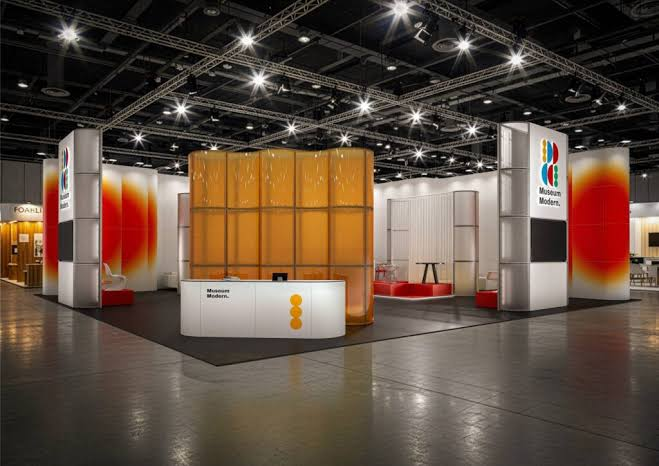
The visitor experience begins before someone enters the booth. Attendees often make quick decisions about where to stop based on what they see from the aisle. This means exterior-facing graphics should communicate a clear message. The company name should be visible, but the display should also explain what the business offers or why the visitor should be interested.
Once visitors approach, the layout should feel welcoming. Open entrances, logical pathways, and uncluttered displays can make the booth easier to navigate. If furniture or promotional materials block access, potential visitors may continue walking rather than entering.
The next priority is information. Visitors should not have to search for the main message. A concise value proposition can immediately explain the company’s relevance. Supporting visuals, product samples, or demonstrations can then provide additional detail for those who want to learn more.
Interactive experiences can make a strong impression. For example, a software company might demonstrate its platform, while a manufacturer could showcase a working product. Interactive elements transform passive viewing into active participation and may create stronger recall after the event.
Meeting areas should be designed according to the company’s goals. A business that expects many customer meetings may need dedicated seating. However, too much enclosed furniture can make a small booth feel inaccessible. A balance between private discussion space and open visitor areas is often more effective.
Graphics should be readable at different distances. A headline intended to attract people from across the aisle needs larger typography than supporting information meant for visitors standing directly in front of a panel. Hierarchical design helps visitors absorb information naturally.
Lighting and multimedia can reinforce the experience. Well-positioned lighting can emphasize important products, while screens can provide demonstrations or customer stories. However, every element should have a purpose. Excessive visual stimulation can make the booth difficult to understand.
Staff behavior is an extension of booth design. Even a well-planned exhibit can underperform if employees remain distracted, sit with their phones, or immediately pressure visitors with aggressive sales pitches. Staff should be approachable, knowledgeable, and prepared to begin natural conversations.
The final part of the visitor experience is follow-up. A booth interaction should lead somewhere. Companies can offer a clear next step, such as scheduling a consultation, receiving additional information, or arranging a product demonstration after the event.
Ultimately, effective booth design places the visitor at the center of the experience. Instead of focusing exclusively on how the exhibit looks, businesses should consider how attendees will see, enter, navigate, understand, interact, and respond. This visitor-focused approach can help turn a trade show booth from a static display into a productive marketing environment.