Introduction
Heating systems are a vital part of maintaining comfortable indoor environments in homes, offices, and commercial buildings, especially during colder seasons when temperatures drop significantly. A properly functioning heating system ensures consistent warmth, better air quality, and improved overall comfort for occupants. However, the efficiency and reliability of any heating system depend heavily on how it is installed in the first place. This is why heater installation plays such an important role in ensuring long-term performance, energy efficiency, and safety. Poor installation can lead to uneven heating, higher energy bills, frequent breakdowns, and even safety risks such as gas leaks or electrical faults. On the other hand, professional installation ensures that every component of the system works together properly, delivering consistent and efficient heating throughout the space. Whether it is a residential home or a large commercial property, understanding the importance of proper installation helps property owners make informed decisions and avoid costly issues in the future.
Understanding How Heating Systems Work
Heating systems are designed to generate and distribute heat evenly across indoor spaces to maintain comfortable temperatures. There are several types of heating systems, including furnaces, boilers, heat pumps, and electric heaters, each operating in a different way but serving the same purpose. Furnaces typically heat air and distribute it through duct systems using a blower, while boilers heat water and circulate it through radiators or underfloor heating systems. Heat pumps transfer heat from outside air or ground sources into the building, making them more energy-efficient compared to traditional systems. Electric heaters generate heat using electrical resistance and are often used for smaller spaces. Regardless of the type, all systems rely on components such as thermostats, heat exchangers, ducts, and control units. Proper installation ensures that all these components work in harmony to provide consistent heating. If installed incorrectly, systems may struggle to maintain temperature, waste energy, or experience frequent mechanical issues.
Importance of Proper Heater Installation
Proper installation is the foundation of an efficient and reliable heating system. Even the most advanced equipment cannot perform effectively if it is not installed correctly. During heater installation, professionals carefully assess the size of the space, insulation levels, airflow requirements, and energy needs before selecting and installing a system. One of the most common mistakes in heating systems is incorrect sizing. A system that is too large will cycle on and off frequently, wasting energy and increasing wear on components. A system that is too small will run continuously and fail to maintain comfortable temperatures. Proper installation ensures that ductwork, vents, and thermostats are correctly positioned for even heat distribution. It also ensures that safety standards are followed, especially in systems that involve gas or combustion. Correct installation improves efficiency, reduces maintenance needs, and extends the lifespan of the system.
Key Steps in the Installation Process
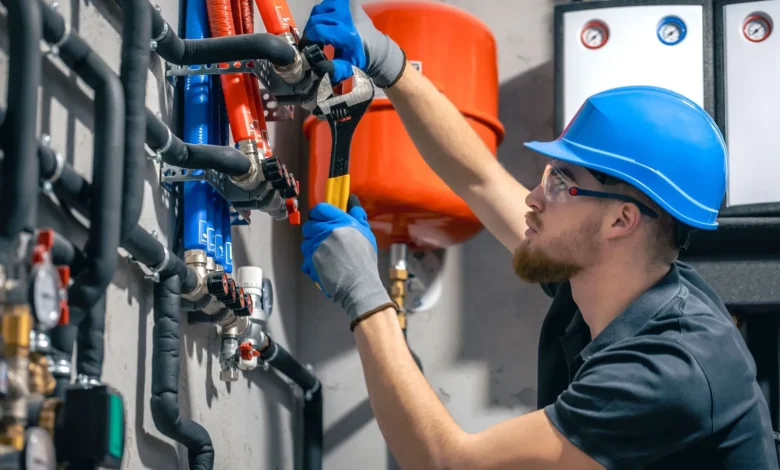
The installation process involves several important stages that must be completed carefully to ensure optimal performance. It begins with a detailed assessment of the property to determine heating requirements based on size, layout, insulation, and usage patterns. After selecting the appropriate system, technicians prepare the installation area and ensure that all necessary connections such as electrical wiring, gas lines, or duct systems are ready. The heating unit is then installed and securely connected to the distribution system. Once installation is complete, the system is tested to ensure proper airflow, temperature control, and safety functionality. Technicians also calibrate thermostats and check pressure levels to ensure efficient operation. Each step in the process is critical because even small errors can affect system performance. Professional expertise ensures that everything is installed correctly and operates smoothly from the beginning.
Common Installation Mistakes and Their Impact
Improper installation can lead to a wide range of problems that affect both performance and safety. One major issue is incorrect system sizing, which leads to inefficient heating and higher energy consumption. Poor ductwork installation can cause uneven heating, leaving some areas too warm while others remain cold. Air leaks in ducts reduce efficiency and increase energy waste. Faulty electrical or gas connections can create serious safety hazards, including fire risks or gas leaks. Another common issue is incorrect thermostat placement, which leads to inaccurate temperature readings and poor system control. These mistakes not only reduce comfort but also increase maintenance costs and shorten the system’s lifespan. Avoiding these issues requires professional knowledge, experience, and proper tools, making expert installation essential.
Energy Efficiency and Cost Savings
Energy efficiency is one of the biggest advantages of proper heating system installation. A correctly installed system operates more efficiently, using less energy to maintain comfortable indoor temperatures. This leads to lower utility bills and reduced environmental impact. Proper airflow design, insulation compatibility, and system calibration all contribute to improved efficiency. Modern heating systems are designed with advanced energy-saving features, but these benefits can only be achieved through correct installation. A poorly installed system often works harder than necessary, consuming more energy and increasing operational costs. Investing in professional heater installation helps ensure that the system runs efficiently and provides long-term savings. Efficient systems also reduce wear and tear on components, leading to fewer repairs and longer equipment life.
Importance of System Selection and Sizing
Choosing the right heating system is just as important as installing it correctly. System sizing depends on several factors such as room size, insulation quality, ceiling height, and climate conditions. Oversized systems tend to waste energy and create uneven heating, while undersized systems struggle to maintain comfort levels. Professional assessment ensures that the selected system matches the specific requirements of the property. Proper system selection improves efficiency, reduces costs, and ensures consistent performance. Different heating systems also offer different advantages, so selecting the right type is essential for long-term satisfaction. A well-chosen system ensures better comfort, improved energy efficiency, and reduced maintenance needs.
Maintenance and Long-Term Performance
Even after proper installation, regular maintenance is essential for ensuring long-term reliability and efficiency. Maintenance tasks include cleaning filters, inspecting ducts, checking electrical or gas connections, and testing system performance. Routine servicing helps identify small issues before they become major problems. A well-maintained system operates more efficiently, consumes less energy, and lasts longer. Neglecting maintenance can lead to reduced performance, higher energy bills, and unexpected breakdowns. Seasonal maintenance is especially important because heating systems are used heavily during cold weather. Professional servicing ensures that the system remains in good condition and continues to operate safely and efficiently.
Safety Considerations in Heating Systems
Safety is a critical factor in heating system installation because it involves electricity, gas, and high temperatures. Improper installation can lead to serious risks such as fire hazards, carbon monoxide leaks, or electrical failures. Proper ventilation is essential to ensure that harmful gases are safely removed from indoor spaces. Safety valves, thermostats, and control systems must be installed correctly to prevent overheating or pressure issues. Professional installation ensures that all safety components function properly and meet required standards. Choosing expert heater installation significantly reduces safety risks and ensures peace of mind for property owners.
Environmental Benefits of Efficient Heating
Modern heating systems are designed to be more environmentally friendly than older models. Proper installation plays a major role in maximizing energy efficiency and reducing environmental impact. Efficient systems consume less energy, which reduces greenhouse gas emissions. Improved insulation and optimized airflow also help reduce energy waste. Energy-efficient heating systems contribute to sustainability while lowering utility costs. By ensuring proper installation, property owners can reduce their environmental footprint and support energy conservation efforts.
Choosing Professional Installation Services
Selecting experienced professionals for installation is essential for achieving reliable and efficient heating performance. Qualified technicians have the knowledge, tools, and experience required to install systems correctly and safely. They evaluate property requirements, recommend suitable systems, and ensure proper setup. A reliable service provider offers transparent pricing, clear communication, and quality workmanship. Working with professionals ensures that the system is installed correctly and performs efficiently for many years. Expert heater installation services also reduce the risk of future problems and improve long-term system reliability.
Conclusion
Heating systems are essential for maintaining comfort, safety, and energy efficiency in homes and commercial spaces. However, their performance depends heavily on proper installation and setup. Incorrect installation can lead to inefficiency, safety risks, and frequent repairs, while professional installation ensures reliable and long-lasting performance. Proper system selection, correct sizing, and expert installation all contribute to better energy efficiency and improved comfort. Investing in professional heater installation ensures that heating systems operate safely, efficiently, and effectively for years to come. With proper care and installation, property owners can enjoy consistent warmth, lower energy costs, and long-term system reliability.