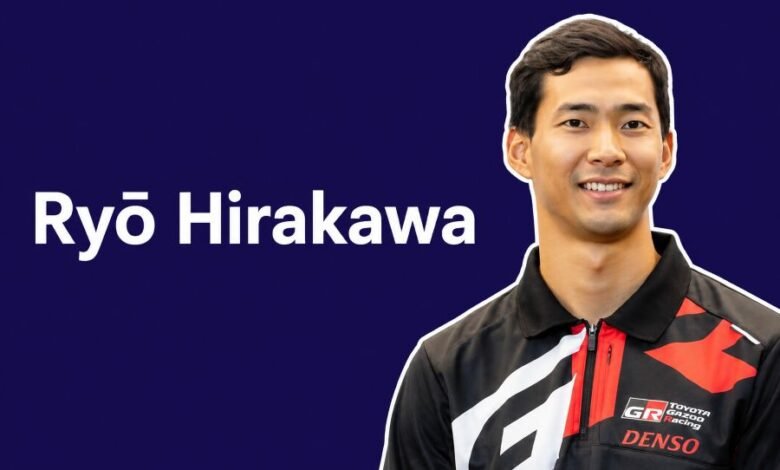
Ryō Hirakawa Inspiring Racing Journey Through Triumphs Challenges
Japanese Racing Driver Building Success On Global Tracks

Introduction
Ryō Hirakawa has become one of the most respected names in international motorsport. Known for his speed, consistency, and technical understanding of racing machinery, he has built a remarkable career through determination and talent. As a leading Japanese racing driver, he has represented Japan at the highest levels of motorsport while competing against some of the world’s best drivers.
His journey from karting circuits in Japan to winning prestigious endurance races demonstrates what dedication and hard work can achieve. While motorsport is filled with talented competitors, only a select few manage to establish themselves as champions on both domestic and international stages. He belongs to that elite group.
Beyond his racing achievements, his career reflects the evolution of modern motorsport. He has successfully adapted to different racing categories, including single-seaters, GT racing, endurance championships, and Formula One reserve duties. His story continues to inspire young drivers who dream of following a similar path.
Quick Bio
| Attribute | Details |
|---|---|
| Full Name | Ryō Hirakawa |
| Date of Birth | March 7, 1994 |
| Age | 32 Years (2026) |
| Birthplace | Kure, Hiroshima, Japan |
| Nationality | Japanese |
| Ethnicity | Japanese |
| Profession | Professional Racing Driver |
| Languages | Japanese, English |
| Height | 175 cm (5 ft 9 in) |
| Weight | Approximately 70 kg |
| Known For | Le Mans Winner, FIA WEC Champion |
| Major Team | Toyota Gazoo Racing |
Early Life and Background
Growing Up in Hiroshima
Ryō Hirakawa was born in Kure, Hiroshima Prefecture, Japan. From an early age, he developed a fascination with speed, competition, and automobiles. Like many successful racing drivers, his first experiences in motorsport began through karting.
The environment around him helped nurture his interest in racing. Japan has a rich motorsport culture, and young drivers often begin their careers through karting championships. He quickly showed natural talent and strong racing instincts, setting him apart from many competitors in his age group.
Discovering a Passion for Racing
His competitive racing journey officially began in 2007 when he entered karting events. Within a short period, he demonstrated remarkable skill behind the wheel. Winning races at a young age gave him confidence and attracted attention from talent scouts and development programs.
Success in karting proved to be the foundation of his future career. Every championship and podium finish helped him gain valuable experience that would later prove crucial as he advanced into professional racing categories.
Education and Driver Development
While much of his formal education remains private, his racing education played a major role in shaping his career. He became part of Toyota’s driver development system, which has produced numerous successful racers over the years.
His participation in Formula Toyota Racing School allowed him to refine his driving skills and learn the technical aspects of motorsport. Through structured training, he developed racecraft, vehicle understanding, and professional discipline.
The program also helped him obtain an international racing license, opening the door to higher levels of competition both in Japan and overseas.
Beginning of Professional Career
Transition From Karting to Formula Racing
After achieving success in karting, he moved into formula racing. This transition is often challenging because drivers must adapt to faster cars, increased competition, and more complex race strategies.
He competed in Formula BMW Pacific and Formula Challenge Japan, where he gained valuable experience against talented young drivers. These series served as stepping stones toward bigger opportunities.
Breakthrough in Formula 3
A major turning point came in 2012 when he competed in the Japanese Formula 3 Championship. Throughout the season, he displayed impressive consistency and speed.
Winning the championship established him as one of Japan’s most promising young talents. The title significantly boosted his reputation and strengthened his connection with Toyota’s motorsport program.
Success in Super Formula
Competing at Japan’s Highest Level
Super Formula is widely regarded as one of the most competitive single-seater championships outside Formula One. Drivers must combine raw speed with technical understanding and strategic thinking.
His debut in Super Formula marked another important milestone. Although the competition was fierce, he gradually became a regular contender for podium finishes and race victories.
Strong Championship Performances
Over several seasons, he demonstrated remarkable consistency. His performances earned respect from fans, teams, and fellow drivers.
One of his strongest seasons came when he finished runner-up in the championship. While missing out on the title was disappointing, the result confirmed his position among Japan’s elite racing talents.
Becoming a Super GT Champion
Entering GT Racing
Alongside his single-seater career, he competed in Super GT, Japan’s premier sports car racing championship. The series features highly competitive teams and some of the best drivers in the world.
Transitioning between different types of racing cars can be difficult, but he adapted quickly. His versatility became one of his greatest strengths.
Championship Glory
His breakthrough moment arrived in 2017 when he won the Super GT GT500 Championship. The achievement represented years of hard work and preparation.
Winning the title elevated his status within Japanese motorsport and further strengthened his reputation as a complete racing driver capable of succeeding in multiple categories.
International Racing Career
Expanding Beyond Japan
To gain international experience, he competed in European endurance racing events. Racing in Europe exposed him to new circuits, different racing styles, and stronger international competition.
These experiences broadened his skill set and prepared him for future opportunities on the global stage.
Learning Valuable Lessons
European competition demanded adaptability and resilience. While not every race produced victories, each event contributed to his growth as a driver.
The lessons learned abroad helped him become a more complete and versatile competitor.
FIA World Endurance Championship Success
Joining Toyota’s Hypercar Program
A defining moment in his career came when Toyota selected him for its World Endurance Championship Hypercar program. The opportunity placed him in one of the most prestigious factory teams in motorsport.
Driving for Toyota brought significant expectations, but he embraced the challenge.
Winning the 24 Hours of Le Mans
The 24 Hours of Le Mans is considered one of the most prestigious races in the world. Victory requires speed, reliability, teamwork, and endurance.
In 2022, he achieved one of the greatest accomplishments of his career by winning Le Mans on his debut appearance. The victory instantly elevated his international profile.
Becoming a World Champion
Success did not stop at Le Mans. He and his teammates captured the FIA World Endurance Championship title.
They successfully defended the championship the following year, making him a two-time world champion and cementing his place among motorsport’s elite competitors.
Formula One Involvement
Reserve Driver Responsibilities
His growing reputation attracted interest from Formula One teams. Through testing programs and reserve driver roles, he gained valuable experience in the pinnacle of motorsport.
Working with Formula One organizations allowed him to contribute through simulator sessions, vehicle development, and practice appearances.
Expanding His Motorsport Influence
Although his primary focus remains endurance racing, his Formula One involvement demonstrates the respect he has earned throughout the motorsport community.
Few drivers successfully balance multiple racing commitments while maintaining a high level of performance.
Career Timeline
2007
Started competitive karting.
2008
Won All Japan Junior Kart Championship.
2010
Entered Formula BMW Pacific and Formula Challenge Japan.
2012
Won Japanese Formula 3 Championship.
2012
Won Porsche Carrera Cup Japan Championship.
2013
Made Super Formula debut.
2013
Made Super GT debut.
2017
Won Super GT GT500 Championship.
2019
Claimed first Super Formula victory.
2020
Finished runner-up in Super Formula Championship.
2022
Won the 24 Hours of Le Mans.
2022
Won FIA World Endurance Championship.
2023
Won second FIA World Endurance Championship.
2025
Became Haas Formula One Reserve Driver.
2026
Continued competing for Toyota Gazoo Racing.
Driving Style and Strengths
As a Japanese racing driver, he is known for his disciplined and calculated approach. His driving style emphasizes consistency, tire management, and technical precision.
He rarely makes unnecessary mistakes and consistently delivers strong performances over long races. These qualities make him particularly effective in endurance racing, where patience and reliability are just as important as speed.
Teams also value his technical feedback. Engineers often rely on his detailed observations when developing race cars and improving performance.
Legacy and Impact
His achievements have already secured his place among the most successful modern Japanese racing drivers. Winning championships across different categories demonstrates exceptional versatility and professionalism.
He has helped strengthen Japan’s presence in international motorsport and inspired a new generation of racers. His Le Mans victory and world championships remain defining milestones in a career that continues to evolve.
While every racing career includes setbacks and disappointments, he has consistently responded with determination and resilience. Those qualities have become a major part of his legacy.
Conclusion
Ryō Hirakawa’s journey from karting tracks in Hiroshima to becoming a world champion highlights the power of dedication, skill, and perseverance. As a Japanese racing driver competing at the highest levels of motorsport, he has achieved success in Formula racing, GT competition, endurance championships, and Formula One reserve programs.
His career reflects both the challenges and rewards of professional motorsport. Through discipline, adaptability, and continuous improvement, he has built a reputation as one of Japan’s finest racing talents. With his competitive spirit still intact, his story remains an inspiring example for aspiring drivers around the world.
FAQ
Who is Ryō Hirakawa?
He is a professional Japanese racing driver and endurance racing champion.
When was he born?
He was born on March 7, 1994.
Where was he born?
He was born in Kure, Hiroshima, Japan.
What is his nationality?
He is Japanese.
What is his profession?
He is a professional racing driver.
Does he keep his personal life private?
Yes, he generally keeps his family and personal life away from public attention.
What languages does he speak?
He speaks Japanese and English.
What is he best known for?
He is best known for winning the 24 Hours of Le Mans and FIA World Endurance Championships.
Which major team does he race for?
He races for Toyota Gazoo Racing.
Has he worked with Formula One teams?
Yes, he has served in testing and reserve driver roles for Formula One teams.
What makes him a successful driver?
His consistency, technical feedback, adaptability, and endurance racing skills contribute to his success.