Introduction to Foam Roofing Systems and Their Importance
Foam roofing systems have become a widely used solution in modern construction due to their seamless structure, insulation efficiency, and long-lasting performance. Unlike traditional roofing materials, foam roofing is applied as a liquid that expands into a solid protective layer, creating a continuous barrier against water, heat, and environmental damage. This makes it highly effective for energy efficiency and waterproofing. However, over time, exposure to sunlight, weather changes, and physical wear can weaken the surface and reduce its effectiveness. In such cases, foam roof repair becomes essential to restore strength and maintain protection. Proper understanding of how foam roofing works allows property owners to take timely action and avoid expensive structural damage. Regular care ensures that the roofing system continues to perform efficiently over many years without major issues.
Common Problems Found in Foam Roof Systems
Foam roofs are durable, but they are not completely immune to damage. One of the most common issues is UV degradation, where continuous exposure to sunlight breaks down the protective coating and exposes the foam layer underneath. Another frequent issue is blistering, which occurs when air or moisture becomes trapped beneath the surface and forms bubbles that weaken the structure. Cracks can also develop due to temperature changes, as expansion and contraction put stress on the material. When these issues appear, foam roof repair is required to prevent further deterioration. If ignored, small defects can grow into major leaks and structural damage that affect the entire building. Regular inspection helps identify these issues early and reduces long-term repair costs significantly.
Importance of Regular Inspection and Maintenance
Routine inspection is essential for maintaining foam roof performance and extending its lifespan. Many roofing problems start small and remain unnoticed until they become serious. Regular checks help identify early signs of damage such as discoloration, cracks, or surface thinning. Maintenance also includes cleaning debris, ensuring proper drainage, and checking protective coatings. Foam roof repair is often performed after inspections reveal minor damage that can be fixed quickly without major reconstruction. Without regular maintenance, water intrusion and UV damage can reduce insulation efficiency and increase energy costs. Consistent care ensures the roof remains strong, efficient, and resistant to environmental stress over time.
Causes of Foam Roof Damage
Foam roof damage can occur due to several environmental and structural factors. Continuous exposure to sunlight is one of the biggest causes, as UV rays gradually weaken the protective layer. Physical damage from foot traffic, falling objects, or improper maintenance can also create weak points in the surface. Moisture intrusion is another serious issue that develops when the protective coating is compromised. Once water enters the foam layer, it can cause long-term structural weakening. In such situations, foam roof repair becomes necessary to restore waterproofing and structural integrity. Poor installation practices can also reduce roof lifespan, as uneven application leads to weak areas that fail over time. Understanding these causes helps in preventing future damage.
Step-by-Step Foam Roof Repair Process
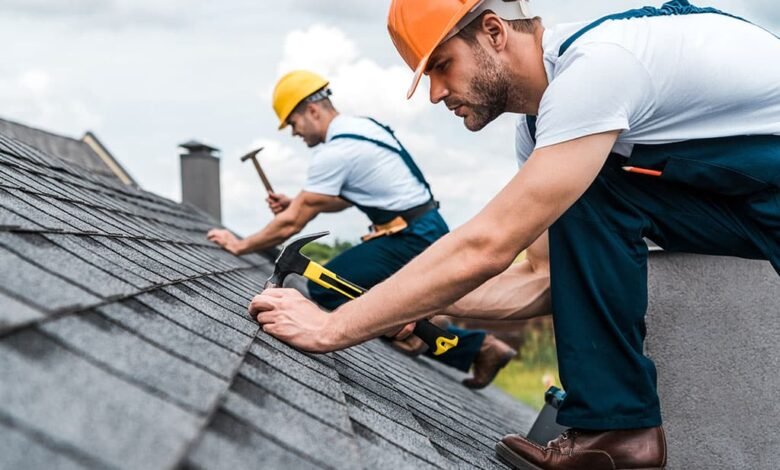
Foam roof repair begins with a detailed inspection to identify damaged areas and assess the extent of deterioration. Once the problem areas are located, the surface is thoroughly cleaned to remove dirt, debris, and loose material. Cleaning ensures proper adhesion of repair materials. After preparation, small cracks and holes are filled using specialized foam-compatible sealants. For larger damaged sections, the affected foam is removed and replaced with new material to restore uniformity. Foam roof repair is then completed by applying a protective coating that restores UV resistance and waterproofing. This coating acts as a shield against environmental damage and helps extend the roof’s lifespan. Proper execution of each step is essential for long-lasting results and structural stability.
Importance of Protective Coatings
Protective coatings play a crucial role in maintaining foam roofing systems. These coatings act as a barrier against UV rays, moisture, and temperature fluctuations. Without a strong protective layer, the foam underneath becomes vulnerable to rapid deterioration. After foam roof repair, applying a high-quality coating ensures that the repaired areas blend seamlessly with the rest of the roof. This also improves energy efficiency by reflecting heat and reducing indoor cooling costs. Regular reapplication of coatings is necessary to maintain long-term performance. Property owners who invest in protective coatings experience fewer repairs and longer roof lifespan.
Cost Considerations and Long-Term Benefits
The cost of foam roof maintenance and repair depends on the extent of damage and the size of the roof. Minor issues are relatively inexpensive to fix, especially when addressed early. However, delaying repairs can lead to more serious structural problems and higher costs. Foam roof repair is always more cost-effective when performed at the right time, as it prevents major reconstruction work. Long-term benefits include improved energy efficiency, reduced maintenance expenses, and extended roof lifespan. Proper care ensures that the roofing system remains a valuable investment for many years without frequent replacement.
Preventive Maintenance Strategies
Preventive maintenance is essential for avoiding major foam roof damage. Regular inspections, cleaning, and timely repairs help maintain roof performance. Property owners should check for cracks, bubbles, and coating wear on a routine basis. Foam roof repair should be performed immediately when early signs of damage appear. Keeping drainage systems clear also prevents water accumulation, which can weaken the structure. Avoiding unnecessary foot traffic on the roof further reduces the risk of surface damage. A proactive maintenance approach ensures long-term durability and minimizes unexpected repair costs.
Environmental and Energy Efficiency Benefits
Foam roofing is known for its excellent insulation and energy-saving properties. It helps regulate indoor temperature by reducing heat transfer, which lowers energy consumption. Reflective coatings further enhance energy efficiency by reducing heat absorption. However, damaged roofs lose these benefits, making foam roof repair necessary to restore performance. Well-maintained foam roofs contribute to environmental sustainability by reducing energy usage and minimizing material waste. This makes them an eco-friendly choice for modern buildings.
Conclusion
In conclusion, foam roofing systems offer excellent durability, insulation, and waterproofing benefits, but they require proper care and maintenance to perform effectively. Regular inspections, preventive maintenance, and timely foam roof repair are essential for extending roof lifespan and avoiding costly damage. Addressing issues early ensures long-term protection, energy efficiency, and structural stability. With proper maintenance and care, foam roofing remains a reliable and cost-effective solution for many types of buildings.