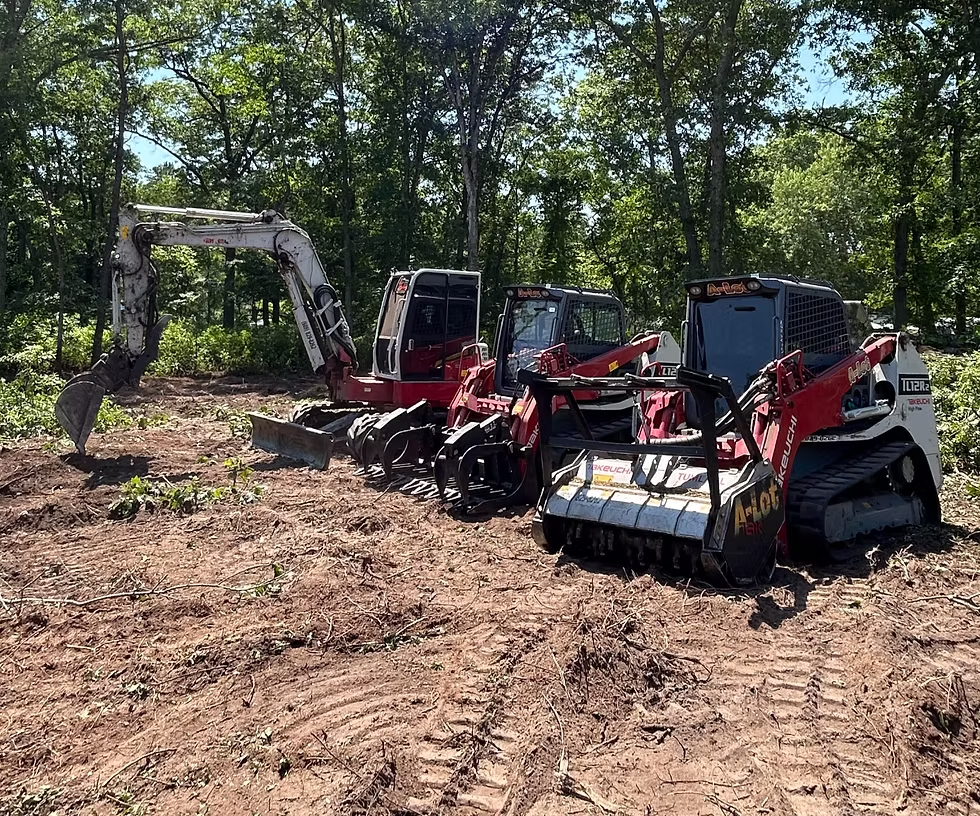
Land management plays a crucial role in maintaining the productivity, safety, and appearance of any property. Whether the objective is preparing land for development, improving agricultural operations, creating recreational spaces, or reducing overgrown vegetation, effective land-clearing methods are essential. Traditional land-clearing approaches often involve multiple machines, extensive labor, and significant environmental disturbance. In contrast, forestry mulching has emerged as a modern and highly efficient solution that allows landowners to clear unwanted vegetation while preserving soil health and minimizing environmental impact. This innovative process transforms trees, brush, and other vegetation into nutrient-rich mulch, creating a sustainable approach to vegetation management. As property owners increasingly seek environmentally responsible solutions, forestry mulching continues to gain popularity due to its efficiency, cost-effectiveness, and long-term benefits.The demand for sustainable land-clearing practices has grown significantly in recent years. Property owners, developers, and agricultural professionals recognize the importance of balancing land improvement goals with environmental stewardship. Unlike traditional methods that often leave behind debris piles or require burning and hauling materials away, forestry mulching processes vegetation directly on-site. This reduces waste while enhancing the condition of the land. By converting unwanted growth into mulch that remains on the ground, the process supports soil health and reduces erosion risks. The ability to achieve multiple land management objectives through a single operation makes this technique one of the most practical options available today.
Understanding Forestry Mulching
Forestry mulching is a specialized land-clearing process that uses powerful machinery equipped with cutting heads designed to shred vegetation into small pieces. Trees, shrubs, brush, and invasive plants are processed directly into mulch, eliminating the need for additional cleanup or disposal. The resulting mulch layer remains on the site and provides valuable environmental benefits. Unlike traditional clearing methods that disturb the soil and require extensive equipment, this process is completed with a single machine capable of handling multiple tasks simultaneously. The efficiency of this approach makes it suitable for both small residential projects and large-scale commercial developments.One of the primary reasons property owners choose forestry mulching is its ability to preserve the natural integrity of the landscape. Traditional land-clearing techniques often involve uprooting vegetation, which can lead to soil compaction and erosion. The mulching process minimizes ground disturbance by leaving root systems in place while removing unwanted growth above the surface. This helps maintain soil structure and supports healthy regeneration. As a result, landowners can achieve their clearing objectives without causing unnecessary environmental damage or creating long-term maintenance challenges.
Environmental Benefits of Modern Land Clearing
Environmental sustainability has become a major factor in land management decisions. Many traditional clearing methods generate significant waste and contribute to habitat disruption. Forestry mulching offers a more environmentally friendly alternative by recycling organic materials directly on-site. Instead of removing vegetation and transporting it elsewhere, the material is transformed into mulch that naturally decomposes over time. This decomposition process returns valuable nutrients to the soil, supporting healthier plant growth and improving overall ecosystem function.The mulch layer created during the process also provides excellent erosion control. Bare soil is highly vulnerable to wind and water erosion, particularly after vegetation has been removed. The protective layer of organic material helps stabilize the soil, retain moisture, and reduce runoff during heavy rainfall. In addition, the mulch suppresses weed growth by limiting sunlight exposure to weed seeds. These environmental advantages make forestry mulching an attractive choice for property owners seeking sustainable and responsible land management solutions that support long-term ecological health.
Cost-Effective Land Management Solutions
One of the most appealing aspects of forestry mulching is its cost efficiency. Traditional land-clearing projects often require multiple pieces of equipment, including bulldozers, excavators, dump trucks, and disposal services. Each stage of the process adds labor costs and extends project timelines. By combining cutting, grinding, and debris management into a single operation, forestry mulching significantly reduces overall project expenses. The elimination of hauling and disposal requirements further contributes to cost savings.Time efficiency is another important advantage. Since the process can be completed with one machine, projects are often finished more quickly than conventional clearing methods. Faster completion times reduce labor expenses and allow property owners to move forward with their plans sooner. Whether preparing land for construction, agriculture, or recreational use, the ability to clear vegetation efficiently and affordably makes this method a practical investment. The combination of lower costs and high productivity continues to drive demand for forestry mulching across various industries.
Applications in Agriculture and Farming
Agricultural landowners frequently face challenges related to overgrown vegetation, invasive species, and neglected fields. Maintaining productive farmland requires effective vegetation control that does not compromise soil quality. Forestry mulching provides an ideal solution by clearing unwanted growth while preserving valuable topsoil. Farmers can reclaim unused acreage, expand grazing areas, and improve access to different sections of their property without causing extensive land disturbance.The mulch produced during the process contributes to healthier soil conditions by adding organic matter and improving moisture retention. This creates a more favorable environment for future agricultural activities. In addition, removing invasive plants helps reduce competition for nutrients and water, allowing desirable vegetation to thrive. Agricultural operations benefit from improved efficiency, increased productivity, and reduced maintenance requirements. These advantages make forestry mulching a valuable tool for modern farming and land improvement projects.
Supporting Construction and Development Projects
Before construction projects can begin, sites often require vegetation removal to create safe and accessible work areas. Traditional clearing methods can be time-consuming and disruptive, delaying project schedules and increasing costs. Forestry mulching streamlines site preparation by quickly removing unwanted vegetation while leaving the ground relatively undisturbed. This creates a cleaner and more manageable environment for construction activities.Developers appreciate the flexibility of the process because it can be tailored to specific project requirements. Selective clearing allows valuable trees and natural features to remain while removing unwanted growth. This approach supports environmentally conscious development practices and helps preserve the character of a property. By reducing preparation time and minimizing environmental impact, forestry mulching has become a preferred option for many construction and development professionals seeking efficient land-clearing solutions.
Enhancing Recreational and Residential Properties
Property owners often seek ways to improve the appearance, accessibility, and functionality of their land. Dense brush, invasive plants, and unmanaged vegetation can limit property use and reduce visual appeal. Forestry mulching provides an effective method for transforming overgrown areas into attractive and usable spaces. Trails, hunting areas, outdoor recreational zones, and residential landscapes can all benefit from strategic vegetation management.The process creates open spaces while maintaining a natural appearance that blends with the surrounding environment. Unlike methods that leave behind piles of debris, mulching results in a clean and finished look. Property owners can enjoy improved access and enhanced aesthetics without extensive cleanup efforts. The ability to selectively remove vegetation while preserving desirable features makes forestry mulching particularly valuable for recreational and residential applications.
Reducing Wildfire Risks Through Vegetation Control
Wildfire prevention has become an increasingly important concern for many landowners. Excessive vegetation, dead trees, and dense undergrowth can create dangerous fuel loads that increase fire intensity and spread. Effective vegetation management is essential for reducing these risks and improving overall property safety. Forestry mulching helps create defensible spaces by removing combustible materials while leaving behind a protective layer of mulch that decomposes gradually over time.Strategic clearing around structures, roads, and critical infrastructure reduces the likelihood of fire reaching these areas. By lowering fuel loads and improving access for emergency personnel, the process contributes to more effective wildfire mitigation efforts. Property owners who invest in proactive vegetation management can significantly reduce potential fire hazards while maintaining healthier landscapes. This preventive approach supports both safety and environmental sustainability.
Long-Term Benefits for Property Owners
The advantages of forestry mulching extend well beyond the initial clearing process. As the mulch decomposes, it enriches the soil with organic matter and nutrients that support healthy plant growth. Improved soil quality contributes to stronger vegetation, better moisture retention, and reduced erosion over time. These long-term improvements help create more resilient landscapes that require less maintenance and provide greater overall value.Well-managed properties are often more attractive to buyers, investors, and developers. Clear access routes, healthy vegetation, and improved land usability can enhance property value and increase future opportunities. Whether the goal is agricultural production, recreational use, conservation, or development, investing in professional land management practices provides lasting benefits. The combination of environmental protection, cost savings, and improved functionality makes forestry mulching one of the most effective solutions available for modern landowners.
Conclusion
Effective land management requires solutions that balance productivity, environmental responsibility, and cost efficiency. Forestry mulching has become a leading choice because it provides a sustainable way to remove unwanted vegetation while preserving soil health and supporting ecosystem function. By transforming trees, brush, and invasive plants into beneficial mulch, the process reduces waste and improves land conditions for future use. Property owners across multiple industries continue to recognize the value of this innovative approach due to its versatility and long-term benefits. As demand for sustainable land-clearing solutions continues to grow, forestry mulching remains one of the most practical and environmentally friendly methods available. Investing in this advanced vegetation management technique helps create healthier, safer, and more productive landscapes for years to come