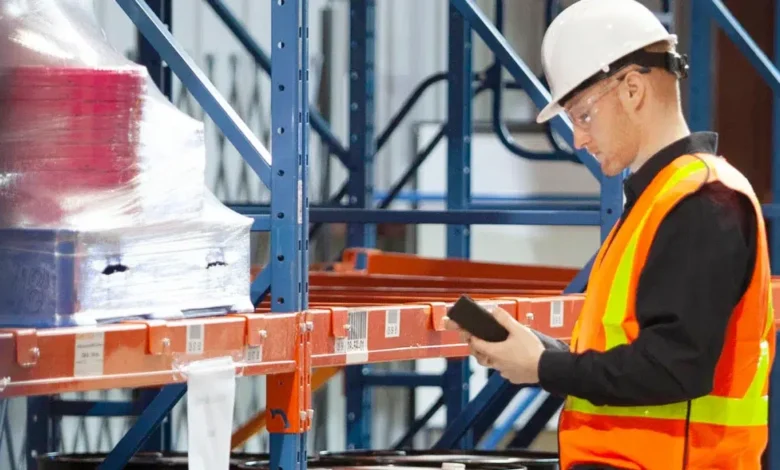
Pallet racking is one of the most important parts of a warehouse. It supports stock, helps teams manage space and keeps goods accessible during daily operations. Because it is used so often, it needs regular maintenance to remain safe and reliable.
Racking can become damaged through forklift impact, poor pallet handling, incorrect loading or general wear over time. If these issues are not picked up early, they can affect the strength and safety of the storage system.
Why Small Issues Should Not Be Ignored
Minor racking damage can be easy to overlook, especially in a busy warehouse. A small dent in an upright, a missing beam lock or a loose fixing may not seem urgent at first. However, racking is designed to carry heavy loads in a specific way.
If one part of the system is weakened, it may affect how weight is supported across the bay. Continued use can make the damage worse and increase the risk of further problems.
The Value of Planned Maintenance
Planned maintenance helps warehouses stay ahead of damage. Regular checks allow teams to identify problems, record them and arrange repairs before they cause disruption.
A planned approach also helps reduce unexpected downtime. Instead of reacting to a serious issue, businesses can manage repairs in a more controlled way and keep storage areas available where possible.
Regular Inspections Support Safer Working
A professional Pallet Racking Inspection can help confirm the condition of a racking system and highlight any areas that need attention. Inspections should include uprights, beams, bracing, baseplates, floor fixings, locking pins and load notices.
The findings should be recorded clearly so managers know what action is needed. Some damage may need urgent repair, while other issues may need monitoring as part of ongoing maintenance.
Staff Play an Important Role
Good racking maintenance is not only the responsibility of managers or inspectors. Warehouse staff should be trained to spot common signs of damage and report them quickly.
Forklift drivers and operatives often notice problems first because they work around the racking every day. A clear reporting process helps make sure damage is not missed or left unresolved.
Repairs Must Be Done Correctly
When damage is found, repairs should be carried out by competent people using suitable parts for the racking system. Temporary fixes should be avoided, as they may not restore the structure to a safe standard.
If a bay is unsafe, it should be unloaded and taken out of use until it has been properly repaired and checked. This protects staff, stock and equipment.
A Safer and More Reliable Warehouse
Racking maintenance helps businesses reduce risk, protect storage capacity and avoid unnecessary disruption. It also shows that warehouse safety is being managed properly, not left until something goes wrong.
For any site that relies on pallet storage, regular checks, clear reporting and timely repairs should be part of normal warehouse operations.