Introduction
Electricity is one of the most essential components of modern homes and commercial properties. It powers lighting, appliances, communication devices, heating and cooling systems, security equipment, and countless other technologies that support daily life. While electrical systems are designed to provide reliable performance, they can also pose significant risks when they become outdated, damaged, overloaded, or improperly maintained. For this reason, regular evaluations of electrical infrastructure are critical for ensuring safety, efficiency, and long-term reliability.
Many property owners focus on visible maintenance issues such as plumbing, roofing, or landscaping while overlooking the hidden electrical systems that operate behind walls and ceilings. However, electrical problems often develop gradually and may remain unnoticed until they result in power failures, equipment damage, or even dangerous fire hazards. Conducting routine assessments helps identify potential concerns before they escalate into costly or hazardous situations.
Professional electrical evaluations provide valuable insight into the condition of wiring, panels, outlets, circuits, and safety devices. By addressing issues early and maintaining compliance with modern standards, property owners can protect both occupants and investments. Understanding the importance of these inspections is an essential step toward creating safer and more efficient living and working environments.
Understanding the Purpose of Electrical Inspections
Electrical inspections are designed to assess the condition, functionality, and safety of a property’s electrical system. These evaluations involve a detailed examination of various components to identify defects, wear, code violations, and other issues that could compromise performance or safety.
The primary objective is to ensure that electrical systems operate correctly while minimizing the risk of accidents. Inspectors evaluate wiring integrity, circuit breaker functionality, grounding systems, outlets, switches, and electrical panels to verify that everything meets current safety standards.
Regular inspections are especially important because electrical systems experience wear and tear over time. Components may deteriorate due to age, environmental factors, heavy usage, or previous modifications. By identifying these concerns early, inspections help prevent unexpected failures and support long-term system reliability.
Why Electrical Safety Matters
Electrical safety is essential because even minor issues can lead to serious consequences. Faulty wiring, overloaded circuits, damaged outlets, and malfunctioning equipment can create fire hazards, increase the risk of electric shock, and damage expensive appliances.
According to fire prevention experts, electrical malfunctions are among the leading causes of residential and commercial fires. Many of these incidents could be prevented through regular maintenance and inspections. Identifying loose connections, overheating components, and outdated equipment allows corrective action to be taken before dangerous conditions develop.
Beyond physical safety, electrical reliability also affects comfort and productivity. Frequent power interruptions, flickering lights, and circuit breaker trips can disrupt daily activities and indicate underlying problems that require professional attention.
Investing in electrical safety helps create a secure environment while protecting valuable property and equipment.
Common Electrical Issues Found During Inspections
Professional inspections often reveal a variety of issues that may otherwise go unnoticed. One of the most common findings is outdated wiring. Older electrical systems may not be designed to handle the demands of modern appliances and electronics, increasing the risk of overloads and failures.
Overloaded circuits are another frequent concern. As households and businesses add new devices over time, existing circuits may become strained, leading to overheating and reduced efficiency. Inspectors evaluate load distribution to determine whether upgrades are necessary.
Improper grounding is also commonly identified during inspections. Grounding systems play a critical role in protecting occupants from electrical shock and preventing damage during power surges. Faulty or missing grounding can significantly compromise safety.
Damaged outlets, loose connections, deteriorated insulation, and outdated electrical panels are additional issues that inspectors frequently encounter. Addressing these problems promptly helps maintain system integrity and reduce potential risks.
The Importance of Professional Expertise
Electrical systems are complex and require specialized knowledge to evaluate accurately. Professional inspectors possess the training and experience necessary to identify hazards that may not be visible to property owners.
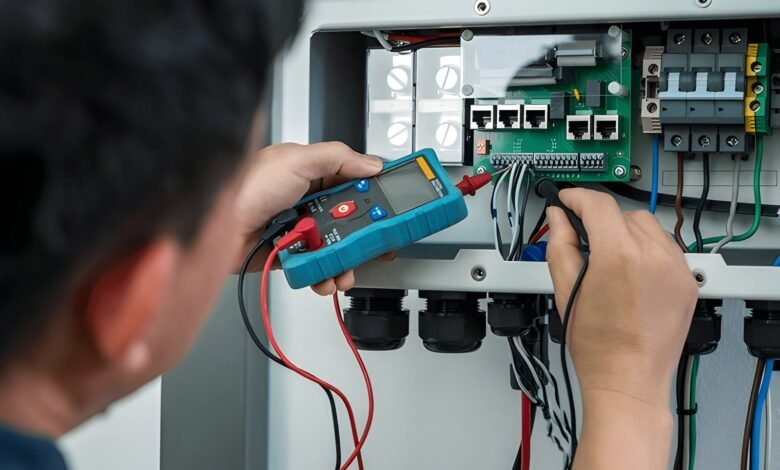
During an inspection, professionals use advanced tools and testing equipment to assess system performance and detect hidden issues. They understand current safety standards and can determine whether existing installations comply with applicable regulations.
Professional evaluations also provide detailed documentation of findings and recommendations. This information helps property owners prioritize repairs, plan upgrades, and maintain accurate maintenance records.
Attempting to assess electrical systems without proper expertise can be dangerous and may result in overlooked hazards. Relying on qualified professionals ensures a thorough and reliable evaluation process.
Benefits of Routine Electrical Evaluations
Routine inspections offer numerous advantages beyond basic safety. One of the most significant benefits is early problem detection. Identifying issues before they cause failures helps reduce repair costs and prevent unexpected disruptions.
Regular evaluations also contribute to improved energy efficiency. Electrical systems that operate correctly consume energy more effectively, reducing utility expenses and supporting environmental sustainability.
Property owners benefit from greater peace of mind knowing that their electrical infrastructure is functioning safely and reliably. This confidence is especially valuable for families, businesses, and landlords responsible for multiple occupants.
In addition, documented inspections can be beneficial when selling or leasing properties, demonstrating that systems have been properly maintained and evaluated.
Electrical Inspections for Homeowners
Homeowners can benefit significantly from regular electrical evaluations. As homes age, electrical systems may require upgrades to support modern technologies and changing energy demands.
Inspections are particularly important before purchasing a property. A professional assessment can reveal hidden issues that may influence purchasing decisions or require negotiation with sellers. Understanding the condition of the electrical system helps buyers make informed choices and avoid unexpected expenses.
Renovation projects also provide an ideal opportunity for inspections. Whenever new appliances, additions, or structural changes are introduced, evaluating the electrical system ensures that it can safely support increased demands.
By scheduling routine inspections, homeowners can protect their families while maintaining the long-term value of their property.
Electrical Safety in Commercial Properties
Commercial buildings often have more complex electrical systems than residential properties. Offices, retail spaces, warehouses, and industrial facilities rely on extensive electrical infrastructure to support operations and maintain productivity.
Routine inspections help business owners identify potential risks before they affect employees, customers, or equipment. Downtime caused by electrical failures can result in lost revenue, reduced productivity, and damaged reputations.
Commercial inspections also support compliance with workplace safety regulations and industry standards. Maintaining a safe electrical environment demonstrates a commitment to employee well-being and operational excellence.
For businesses, investing in preventive maintenance and inspections is an important strategy for minimizing risk and ensuring continuity.
The Role of Technology in Modern Inspections
Advancements in technology have significantly improved the effectiveness of electrical evaluations. Modern inspectors use specialized tools that provide detailed insights into system performance and potential issues.
Thermal imaging cameras can detect overheating components that may indicate hidden problems. Circuit analyzers and diagnostic equipment help assess load distribution, voltage levels, and overall system health.
Digital reporting systems allow inspectors to document findings efficiently and provide property owners with clear, actionable recommendations. These technological advancements contribute to more accurate assessments and better-informed decision-making.
As inspection technology continues to evolve, property owners can expect even greater precision and efficiency in future evaluations.
Maintaining Compliance With Safety Standards
Electrical codes and safety regulations are continually updated to reflect advances in technology and evolving safety practices. Ensuring compliance with current standards is an important aspect of property ownership and management.
Inspections help identify installations that no longer meet modern requirements. Upgrading outdated components improves safety while reducing liability risks for property owners.
Compliance is particularly important for commercial properties and rental units, where regulatory requirements may be more stringent. Maintaining adherence to safety standards demonstrates responsibility and helps avoid potential legal complications.
Regular evaluations provide an effective way to stay informed about compliance requirements and address any necessary improvements.
Preventing Costly Repairs Through Early Detection
One of the greatest advantages of inspections is the ability to identify problems before they become major expenses. Small issues such as loose connections or minor wiring damage can often be corrected quickly and affordably.
When left unaddressed, these problems may lead to equipment failures, electrical fires, or extensive system damage. Repairing such consequences is typically far more expensive than performing preventive maintenance.
By investing in routine evaluations, property owners can reduce long-term maintenance costs and extend the lifespan of their electrical systems. Preventive care is often one of the most cost-effective approaches to property management.
Why Electrical Safety Inspection Services Are Essential
As electrical systems become more complex and energy demands continue to increase, the need for professional evaluations grows increasingly important. Reliable electrical safety inspection services help property owners identify hazards, improve efficiency, and maintain compliance with safety standards.
A thorough electrical safety inspection provides valuable insight into the condition of a property’s electrical infrastructure. Whether for residential or commercial purposes, these evaluations support safer environments and more reliable performance.
Regular inspections also demonstrate a proactive approach to maintenance, helping property owners address concerns before they develop into significant problems.
The Future of Electrical Safety
The future of electrical safety is likely to be shaped by advancements in smart technology, predictive maintenance, and energy management systems. These innovations will provide new opportunities to monitor electrical performance and detect issues in real time.
Smart sensors and connected devices may allow property owners to receive alerts about potential hazards before visible symptoms appear. This proactive approach could further reduce risks and improve overall system reliability.
As renewable energy technologies and electric vehicles become more common, electrical systems will continue to evolve. Regular inspections will remain essential for ensuring compatibility, safety, and optimal performance.
The growing emphasis on energy efficiency and sustainability will also reinforce the importance of maintaining modern, well-functioning electrical infrastructure.
Conclusion
Electrical systems are fundamental to modern living, supporting countless activities that homeowners and businesses depend on every day. Ensuring that these systems operate safely and efficiently requires ongoing attention, professional expertise, and regular evaluations.
Routine inspections help identify hidden hazards, improve energy efficiency, maintain compliance, and prevent costly repairs. Whether protecting a family home or a commercial facility, investing in electrical maintenance is a responsible and valuable decision.
A professional electrical safety inspection provides the knowledge and confidence needed to maintain a secure and reliable property. As technology continues to advance and electrical demands increase, regular evaluations will remain one of the most effective strategies for protecting people, property, and long-term investments.
By prioritizing electrical safety inspection services, property owners can create safer environments, reduce risks, and enjoy greater peace of mind knowing their electrical systems are prepared to meet the challenges of modern life.