Introduction
Water damage is one of the most common yet underestimated problems that homeowners face. While a small leak or minor flooding incident may initially appear manageable, the consequences can quickly escalate if the issue is not addressed promptly. Water has the ability to penetrate building materials, weaken structural components, encourage mold growth, and damage valuable belongings. What begins as a seemingly minor inconvenience can transform into a costly restoration project if immediate action is not taken.
Many homeowners fail to recognize the severity of water intrusion until visible signs such as stains, warped flooring, unpleasant odors, or mold colonies begin to appear. By that stage, the damage may have already spread beyond the surface and into hidden areas of the property. Understanding the causes, risks, and proper restoration techniques associated with water damage is essential for protecting both the value and safety of a home.
This article explores the major causes of water intrusion, the dangers associated with prolonged moisture exposure, the restoration process, preventative measures, and why professional intervention often provides the most effective long-term solution.
Understanding How Water Damage Occurs
Water damage can originate from numerous sources, ranging from natural events to household system failures. Heavy rainfall, plumbing leaks, burst pipes, malfunctioning appliances, and drainage issues are among the most common causes. Regardless of the source, water tends to follow the path of least resistance, allowing it to seep into walls, flooring, insulation, and structural components.
When moisture enters areas that are not designed to withstand prolonged exposure, materials begin to deteriorate. Wood may swell and rot, drywall can weaken and crumble, and metal components may corrode. Even materials that appear durable can suffer long-term degradation when subjected to continuous moisture. The hidden nature of water movement often makes the problem difficult to identify until significant damage has already occurred.
Because water can spread rapidly through porous materials, immediate response is critical. Delaying restoration efforts by even a few days can substantially increase repair costs and create additional health and safety concerns for occupants.
The Risks of Ignoring Water Intrusion
One of the greatest mistakes homeowners make is assuming that standing water or damp surfaces will simply dry on their own without causing lasting damage. Although some moisture may evaporate naturally, hidden dampness often remains trapped within construction materials. This residual moisture creates ideal conditions for mold and mildew growth.
Mold can begin developing within a relatively short period after water exposure. Once established, mold spores spread through the air and may affect indoor air quality. Individuals with allergies, asthma, or respiratory conditions are particularly vulnerable to mold-related health complications. Even healthy individuals may experience irritation of the eyes, nose, throat, and skin when exposed to elevated mold levels.
Beyond health concerns, water damage can compromise the structural integrity of a building. Wooden support systems may weaken over time, flooring can become unstable, and wall systems may lose their strength. Electrical hazards can also emerge if water comes into contact with wiring or electrical components. These risks highlight the importance of addressing water issues as quickly and thoroughly as possible.
Why Professional Basement Water Cleanup Matters
When water accumulates in lower areas of a property, prompt action becomes essential. Many homeowners attempt to remove water using household tools, but these methods often fail to eliminate hidden moisture trapped beneath surfaces. Professional basement water cleanup services utilize specialized equipment designed to extract water efficiently and identify moisture that may not be visible to the naked eye.
Advanced moisture meters, thermal imaging cameras, industrial air movers, and commercial dehumidifiers allow restoration professionals to address both visible and concealed water damage. This comprehensive approach helps prevent future complications such as mold growth, structural deterioration, and recurring moisture problems.
In addition to equipment, trained technicians understand how different materials respond to water exposure. Their expertise enables them to determine whether materials can be restored or require replacement, helping homeowners make informed decisions during the recovery process.
The Water Restoration Process Explained
The restoration process typically begins with a detailed assessment of the affected area. Technicians inspect the extent of the damage, identify the source of water intrusion, and classify the severity of the situation. This evaluation forms the foundation for an effective restoration strategy.
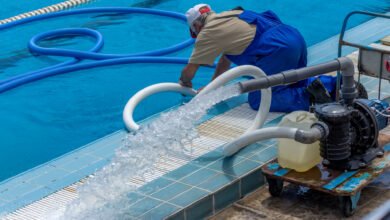
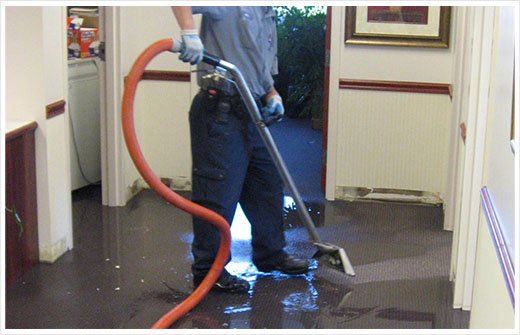
The next stage involves water extraction. Powerful pumps and vacuums remove standing water quickly to minimize further absorption into building materials. Once the bulk of the water has been removed, drying equipment is strategically positioned to eliminate remaining moisture.
Drying is often one of the most critical phases of restoration. Even when surfaces appear dry, moisture can remain hidden within walls, flooring systems, and insulation. Professional drying techniques ensure that these concealed areas are properly addressed.
After drying is complete, cleaning and sanitization procedures are performed. Contaminants introduced by water exposure are removed, and antimicrobial treatments may be applied to reduce the risk of microbial growth. Finally, repairs and reconstruction are completed as necessary to restore the property to its original condition.
Common Signs of Hidden Water Damage
Many forms of water damage develop gradually and remain unnoticed until substantial deterioration has occurred. Recognizing early warning signs can help homeowners take action before repairs become extensive and expensive.
One common indicator is discoloration on walls or ceilings. Yellow, brown, or dark stains often suggest moisture infiltration behind surfaces. Peeling paint, bubbling wallpaper, and warped flooring can also signal the presence of hidden water.
Persistent musty odors frequently indicate excess moisture or mold growth. These odors may be especially noticeable in enclosed areas where airflow is limited. Increased humidity levels inside the home can serve as another warning sign, particularly when accompanied by condensation on windows or other surfaces.
Unexplained increases in water bills may point to concealed plumbing leaks. Monitoring utility usage and investigating sudden changes can help identify problems before significant damage occurs.
Long-Term Benefits of Timely Restoration
Addressing water damage promptly offers numerous benefits beyond immediate property protection. Early intervention often reduces repair costs by preventing damage from spreading into additional areas of the home. It also minimizes disruption to daily life and decreases the likelihood of extensive reconstruction.
Timely restoration helps preserve indoor air quality by limiting mold development and reducing humidity levels. This contributes to a healthier living environment for occupants and may prevent future health-related concerns associated with prolonged moisture exposure.
Property value is another important consideration. Homes with unresolved water damage issues may experience decreased market value and encounter challenges during inspections or real estate transactions. By resolving water problems quickly and thoroughly, homeowners can protect their investment and maintain the overall condition of their property.
Preventing Future Water Damage
Prevention is often more cost-effective than restoration. Implementing proactive maintenance measures can significantly reduce the likelihood of future water-related issues.
Regular inspections of plumbing systems can help identify leaks before they become serious problems. Homeowners should periodically check under sinks, around appliances, and near water supply lines for signs of moisture. Roof inspections are equally important, as damaged shingles or flashing can allow water to enter the structure.
Proper drainage plays a crucial role in preventing water accumulation around a home. Gutters and downspouts should be kept clean and directed away from the foundation. Grading around the property should encourage water to flow away rather than collect near structural components.Installing sump pumps and backup power systems can provide additional protection during severe weather events. These systems help remove excess water and reduce the risk of flooding during heavy rainfall or power outages.
Choosing the Right Restoration Professionals
Selecting a qualified restoration company is a critical step in the recovery process. Experience, certifications, equipment capabilities, and customer reviews should all be considered when evaluating service providers.
Reputable professionals conduct thorough assessments and provide transparent explanations of recommended procedures. They utilize industry-approved restoration techniques and maintain clear communication throughout the project. Homeowners should also verify that the company carries appropriate insurance coverage and follows recognized safety standards.
A dependable restoration team not only addresses immediate damage but also helps identify underlying issues that could contribute to future water problems. Their expertise can provide valuable guidance for long-term property protection.A thorough approach to basement water cleanup extends beyond simply removing visible water. Effective restoration requires careful attention to hidden moisture, sanitation, structural evaluation, and preventive measures. Without comprehensive treatment, residual moisture may continue causing damage long after the initial flooding event appears resolved.
Professional restoration specialists use advanced diagnostic tools to verify that all affected areas have been properly dried. This level of precision helps prevent recurring problems and provides greater confidence that the property has been fully restored.Homeowners who invest in complete restoration often experience fewer long-term complications, lower maintenance expenses, and improved property durability. These benefits underscore the importance of treating water damage as a serious issue rather than a temporary inconvenience.
Protecting Your Home Through Ongoing Maintenance
Maintaining a dry and secure home requires ongoing vigilance. Seasonal inspections, routine maintenance, and prompt repairs are essential components of a comprehensive property protection strategy. Even small signs of water intrusion should be investigated immediately to prevent larger issues from developing.
Scheduling periodic professional inspections can help identify vulnerabilities before they result in significant damage. These evaluations may reveal hidden leaks, drainage concerns, or structural weaknesses that require attention. Combined with regular homeowner maintenance, professional assessments create a strong defense against future water-related problems.
Consistent monitoring and timely intervention can dramatically reduce the likelihood of major restoration projects. By adopting a proactive mindset, homeowners can safeguard their property and avoid many of the challenges associated with water damage.
Conclusion
Water damage presents serious risks to residential properties, affecting structural integrity, indoor air quality, and overall property value. Whether caused by plumbing failures, weather events, or drainage issues, moisture intrusion should never be ignored. Rapid response and professional restoration are essential for minimizing damage and preventing long-term complications.
Professional basement water cleanup services provide the expertise, equipment, and comprehensive treatment necessary to address both visible and hidden moisture concerns. Through proper extraction, drying, sanitization, and restoration, homeowners can recover from water-related incidents more effectively and protect their investment for years to come.Ultimately, prevention remains the most effective strategy. Regular maintenance, routine inspections, and immediate action when problems arise can significantly reduce the risk of future damage. When combined with professional basement water cleanup solutions whenever necessary, these efforts help ensure a safer, healthier, and more resilient home environment.