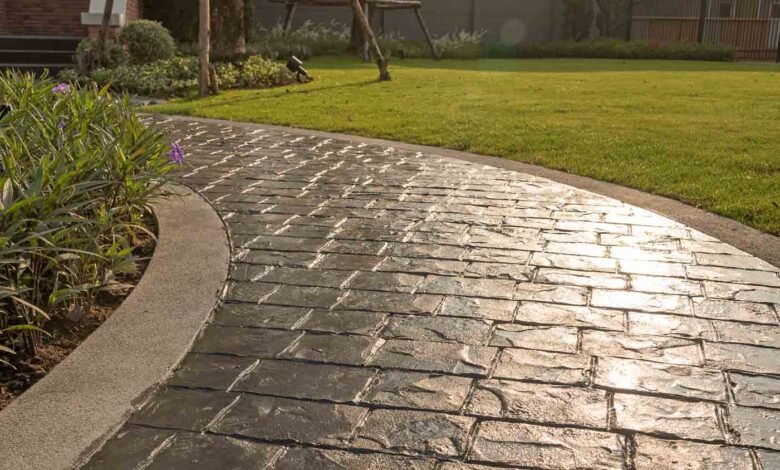
Introduction to Stamped Concrete
Stamped concrete is a decorative and highly durable construction material that enhances ordinary concrete surfaces by adding textures, patterns, and colors. It is widely used in outdoor design because it can replicate the appearance of natural stone, brick, slate, or wood while maintaining the strength and affordability of concrete. This makes it a popular choice for driveways, patios, walkways, pool decks, and other exterior spaces where both appearance and durability are important. The process involves pressing molds into freshly poured concrete before it fully sets, creating visually appealing patterns. Many homeowners and designers prefer stamped concrete because it offers customization, long-term strength, and cost efficiency in one solution. It has become a modern standard for improving outdoor aesthetics without using expensive natural materials.
Composition and Structural Strength
The strength of stamped concrete comes from its basic concrete mixture of cement, sand, gravel, and water, combined with reinforcement materials such as steel mesh or rebar. These elements work together to create a strong and stable surface that can handle heavy loads and weather conditions. Color hardeners and release agents are used during installation to improve both durability and appearance. A properly prepared base is essential because it supports the entire structure and prevents shifting or cracking. The thickness of the slab is also carefully designed depending on its intended use, whether for pedestrian areas or vehicle traffic. When installed correctly, stamped concrete provides a long-lasting surface that maintains both its strength and decorative finish over time. Its structural integrity makes it suitable for both residential and commercial applications.
Installation Process of Stamped Concrete
The installation of stamped concrete requires precision and proper timing to achieve the desired decorative effect. The process begins with site preparation, where the area is cleared, leveled, and compacted to form a strong foundation. Wooden or metal forms are installed to define the shape and boundaries of the surface. The concrete mixture is then poured evenly and spread to ensure a smooth base. Once it reaches the right consistency, color hardeners are applied to enhance appearance and durability. Stamping tools are then pressed into the surface to create patterns that mimic natural materials like stone or brick. Timing is very important because the concrete must remain soft enough to accept the impressions but firm enough to hold shape. After stamping, the surface is left to cure properly to achieve maximum strength. Finally, a protective sealant is applied to enhance color, resist stains, and protect against moisture damage.
Advantages of Stamped Concrete
Stamped concrete offers several benefits that make it a preferred choice for outdoor design projects. One of its biggest advantages is its ability to replicate expensive natural materials at a lower cost, making it budget-friendly without compromising appearance. It is highly durable and can withstand heavy traffic, weather changes, and long-term use when properly installed. It also provides a seamless surface, which reduces weed growth and eliminates issues caused by shifting individual stones or bricks. Another advantage is its wide range of design options, including different textures, patterns, and colors that can match any architectural style. The surface is also easy to maintain compared to traditional paving materials. With proper sealing, it becomes resistant to stains, moisture, and fading. These advantages make it a practical and attractive solution for outdoor spaces.
Maintenance and Long-Term Care
Proper maintenance is important to preserve the beauty and durability of stamped concrete over time. Regular cleaning helps remove dirt, debris, and stains that can affect its appearance. Sealing the surface periodically is essential to maintain color vibrancy and protect it from moisture penetration. Small cracks may appear due to temperature changes or ground movement, and these should be repaired quickly to prevent further damage. Using mild cleaning products helps avoid damaging the decorative surface. Heavy impact or dragging sharp objects across the surface should be avoided to prevent scratches. With consistent care, stamped concrete can maintain its strength and aesthetic appeal for many years. Proper maintenance significantly extends its lifespan and keeps it looking new and attractive.
Common Issues and Preventive Measures
Although stamped concrete is durable, it can develop certain issues over time if not properly maintained. Cracking is one of the most common problems and usually occurs due to improper installation, soil movement, or extreme temperature changes. Fading of color may happen if the protective sealant wears off or is not reapplied regularly. Surface scaling or flaking can result from poor finishing techniques or exposure to freeze-thaw cycles. These problems can be minimized by using high-quality materials and following correct installation procedures. Regular inspections help identify early signs of damage before they become serious. Proper drainage around the surface is also important to prevent water accumulation that could weaken the structure. Preventive maintenance ensures long-lasting performance and appearance.
Design Versatility and Visual Appeal
One of the most attractive features of stamped concrete is its ability to offer endless design possibilities. It can replicate the look of natural stone, brick, slate, and even wood, providing a high-end appearance at a lower cost. The surface can be customized with different colors, patterns, and textures to match various design themes. Borders and decorative accents can also be added to enhance visual appeal. This flexibility makes it suitable for modern, traditional, and luxury outdoor designs. It can transform ordinary outdoor spaces into visually appealing environments. The combination of strength and beauty makes it a preferred choice for architects and homeowners. Its design versatility is one of its strongest advantages in outdoor construction.
Applications in Outdoor Spaces
Stamped concrete is widely used in many outdoor applications due to its durability and aesthetic appeal. It is commonly used for patios, driveways, walkways, pool decks, and garden paths. In commercial areas, it is used for entrances, plazas, and decorative flooring surfaces. Its ability to withstand heavy traffic makes it suitable for both residential and public spaces. It also works well in landscaping projects where visual design is important. The material blends well with natural surroundings while providing a structured surface. Its versatility allows it to be used in both functional and decorative roles. This makes it a popular choice in modern outdoor construction.
Long-Term Value and Performance
The long-term value of stamped concrete lies in its durability, low maintenance requirements, and aesthetic flexibility. It provides excellent performance over many years when properly installed and maintained. Unlike traditional paving materials, it does not require frequent replacement or repair. Its ability to maintain both strength and appearance makes it a cost-effective solution for outdoor spaces. Proper sealing and maintenance extend its lifespan significantly. It also adds value to properties by enhancing curb appeal and outdoor aesthetics. Its long-term performance makes it a reliable investment for homeowners and commercial projects.
Environmental and Safety Benefits
Stamped concrete also offers environmental and safety benefits when used in outdoor construction. Its long lifespan reduces the need for frequent replacements, which helps conserve resources. Modern installation methods often include eco-friendly materials and efficient construction practices. From a safety perspective, textured surfaces can improve grip and reduce slipping risks in wet conditions. Proper installation ensures a stable and even surface, reducing trip hazards. Good drainage planning further enhances safety and durability. These features make it a responsible and practical choice for outdoor environments.
Conclusion
Stamped concrete is a durable, versatile, and cost-effective solution for creating stylish outdoor surfaces. Its ability to replicate natural materials while maintaining strength and affordability makes it highly popular in modern construction. With proper installation, sealing, and maintenance, it can provide long-lasting performance and visual appeal. It offers a perfect balance of beauty, durability, and practicality for outdoor spaces. Understanding its process, benefits, and care requirements helps ensure better results and long-term satisfaction. Overall, it remains one of the most effective materials for enhancing outdoor environments with style and strength.