AC Installation Services for Professional Setup of Split, Window, and Central Air Conditioning Systems

Introduction
Indoor comfort has become an essential part of modern living, especially in regions where temperatures fluctuate significantly throughout the year. Whether in residential homes, commercial offices, or industrial environments, maintaining a stable indoor climate directly impacts productivity, health, and overall quality of life. As buildings become more insulated and energy-conscious, mechanical cooling systems have evolved into highly efficient and technologically advanced solutions.
Among these systems, air conditioning plays a central role in regulating temperature, humidity, and air quality. However, the effectiveness of any cooling system depends heavily on how it is planned, selected, and installed. A poorly executed setup can lead to inefficiency, frequent breakdowns, and higher energy consumption, while a properly engineered system can deliver consistent comfort and long-term reliability.
This article explores how modern cooling systems function, the importance of correct sizing and planning, installation processes, energy efficiency considerations, maintenance needs, and the long-term benefits of professional HVAC implementation.
Understanding How Air Conditioning Systems Work
Air conditioning systems operate on the principle of heat transfer, removing heat from indoor spaces and releasing it outside. This process is achieved through a cycle involving refrigerant, which absorbs and releases heat as it circulates through various components.
The main parts of a typical system include the compressor, condenser, evaporator coil, expansion valve, and air handling unit. The compressor pressurizes the refrigerant, while the condenser releases heat to the outside environment. The evaporator coil absorbs heat from indoor air, resulting in cooler air being circulated throughout the space.
Modern systems also include advanced controls, sensors, and energy-efficient technologies that allow for precise temperature regulation and reduced power consumption. These innovations have made cooling systems more adaptable and efficient than ever before.
Importance of Proper System Selection and Sizing
One of the most critical steps before installation is selecting the correct system size. An undersized unit will struggle to cool the space effectively, leading to continuous operation and increased wear. An oversized unit, on the other hand, may cool too quickly without properly dehumidifying the air, resulting in discomfort and inefficiency.
Proper sizing depends on several factors, including room dimensions, insulation quality, number of occupants, window placement, and heat-generating appliances. Climate conditions also play a significant role in determining system requirements.Professional evaluation ensures that the selected system matches the specific cooling demands of the property. This is a key reason why ac installation should always begin with a detailed assessment rather than guesswork or assumptions.
Planning and Preparation Before Installation
Before any physical work begins, a detailed planning phase is essential. This includes evaluating the layout of the building, identifying optimal unit placement, and ensuring that electrical and structural requirements are met.
Indoor units must be positioned in areas that allow for even air distribution, while outdoor units require adequate ventilation and protection from direct obstructions. Proper planning also involves ensuring that drainage systems are in place to handle condensation effectively.
Electrical capacity must also be assessed to ensure the system can operate safely without overloading circuits. These preparatory steps are essential for ensuring efficient and trouble-free operation after installation.
The Step-by-Step Installation Process
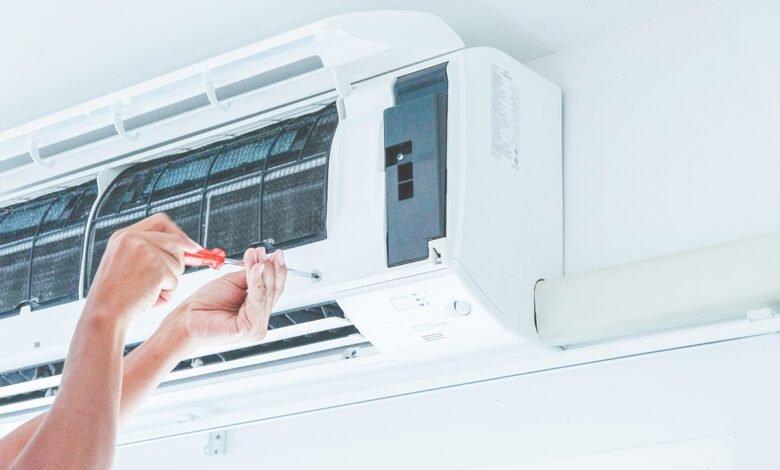
The installation of an air conditioning system involves multiple technical stages that must be carried out with precision. The process typically begins with mounting the indoor unit securely on a wall or ceiling structure, ensuring proper alignment and stability.Next, technicians install refrigerant lines, drainage pipes, and electrical wiring between the indoor and outdoor units. These connections must be carefully sealed and insulated to prevent leaks and energy loss.
The outdoor unit is then positioned on a stable base, ensuring adequate airflow and protection from environmental elements. Once all components are connected, the system is vacuum-tested to remove moisture and air from the refrigerant lines.
After testing, refrigerant is charged into the system, and performance checks are conducted to verify proper operation. This structured process ensures that ac installation is completed safely and efficiently, with all components functioning as intended.
Refrigerant plays a crucial role in the cooling cycle, and improper handling can significantly impact system performance. The correct refrigerant charge ensures that the system operates at optimal efficiency and maintains consistent cooling output.
Overcharging or undercharging refrigerants can lead to reduced efficiency, increased energy consumption, and potential damage to system components. Professional technicians use specialized tools to measure and regulate refrigerant levels accurately.This precision is another reason why professional ac installation is essential for long-term system reliability and performance.
Energy Efficiency and Modern Cooling Technology
Energy efficiency has become a major focus in modern air conditioning systems. Newer models are designed with inverter technology, which allows the compressor to adjust its speed based on cooling demand. This reduces energy consumption and provides more stable temperature control.High-efficiency systems also use improved insulation, advanced refrigerants, and smart sensors to optimize performance. Some systems can be integrated with home automation platforms, allowing users to control temperature remotely and monitor energy usage.
Proper installation plays a direct role in energy efficiency. Even the most advanced system can underperform if it is not installed correctly. Air leaks, improper insulation, or incorrect sizing can all lead to unnecessary energy loss.Incorrect installation can lead to a variety of performance and safety issues. Poor placement of indoor units may result in uneven cooling or blocked airflow. Improper sealing of refrigerant lines can cause leaks, reducing system efficiency and increasing environmental impact.
Electrical wiring errors can pose serious safety risks, including short circuits or system failures. Inadequate drainage setup may lead to water leakage and structural damage over time.These issues highlight why professional handling of ac installation is essential to ensure both safety and long-term functionality.
Maintenance Requirements After Installation
Once installed, air conditioning systems require regular maintenance to ensure consistent performance. Routine cleaning of filters helps maintain airflow and improve indoor air quality. Dirty filters can reduce efficiency and increase energy consumption.
Coils and fins should also be inspected periodically to ensure proper heat exchange. Refrigerant levels must be checked to prevent performance issues. Drain lines should be cleared to avoid water buildup and leakage.
Preventive maintenance helps extend system lifespan and reduces the likelihood of unexpected breakdowns, ensuring long-term reliability.Modern air conditioning systems do more than regulate temperature; they also play a role in improving indoor air quality. Many systems include filtration technologies that remove dust, allergens, and airborne particles from circulating air.
This is particularly beneficial in urban environments where air pollution levels may be higher. Improved air quality contributes to better respiratory health, reduced allergy symptoms, and overall comfort.Proper installation ensures that filtration and airflow systems function effectively, maximizing these health benefits.
Safety Considerations in Cooling System Installation
Installing air conditioning systems involves several safety considerations, including electrical work, refrigerant handling, and structural mounting. Improper installation can lead to electrical hazards, refrigerant exposure, or mechanical failures.
Professional technicians follow strict safety protocols to ensure that all components are installed securely and operate within safe parameters. This includes proper grounding of electrical systems and secure mounting of heavy components.
Safety is one of the most important reasons why ac installation should always be performed by trained professionals rather than unqualified individuals.A properly installed air conditioning system provides numerous long-term benefits, including improved efficiency, reduced repair costs, and enhanced comfort. It also ensures consistent performance throughout the system’s lifespan.
Professional installation minimizes the risk of future breakdowns and ensures that the system operates according to manufacturer specifications. This helps maintain warranty coverage and reduces long-term ownership costs.
Additionally, a well-installed system contributes to better indoor comfort and more stable temperature control, improving overall quality of life.
Cost Considerations and Value Assessment
While installation costs may vary depending on system type and complexity, it is important to consider long-term value rather than just initial expenses. A properly installed system consumes less energy, requires fewer repairs, and lasts longer.
Investing in professional ac installation often results in lower total ownership costs over time. The efficiency gains and reduced maintenance requirements help offset the initial investment.
Choosing quality installation services ensures that the system performs optimally from the beginning, providing better value in the long run.The future of air conditioning technology is focused on energy efficiency, smart integration, and environmental sustainability. New refrigerants with lower environmental impact are being developed, and systems are becoming increasingly intelligent through automation and AI-based controls.
Conclusion
Smart thermostats and connected systems allow users to optimize energy usage and customize cooling based on personal preferences. These innovations are making cooling systems more efficient, user-friendly, and environmentally responsible.
Air conditioning systems are essential for maintaining comfort, productivity, and air quality in modern buildings. However, their performance depends heavily on proper planning, installation, and maintenance.Professional ac installation ensures that systems are correctly sized, safely installed, and optimized for long-term efficiency. It also reduces the risk of operational issues and improves overall system lifespan.
Ultimately, ac installation is not just a technical procedure but a critical investment in comfort, safety, and energy efficiency. When carried out correctly, ac installation delivers reliable cooling performance, improved indoor air quality, and long-term value for property owners.