Toilet Repair: A Complete Guide to Restoring Functionality, Preventing Water Waste, and Ensuring Bathroom Efficiency

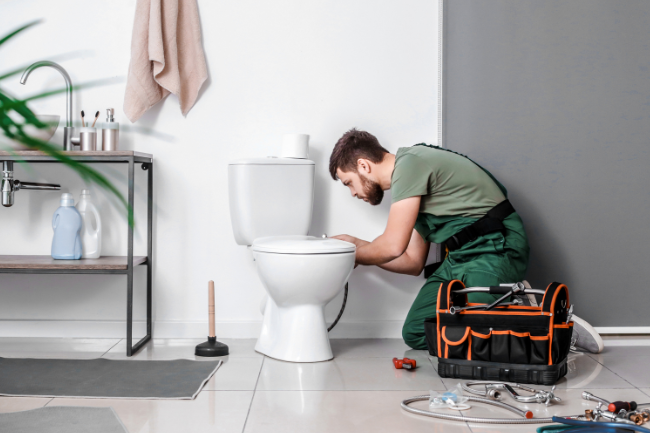
Toilets are one of the most frequently used plumbing fixtures in any residential or commercial property, making them essential to daily comfort, hygiene, and sanitation. Because they are used multiple times a day and rely on a combination of mechanical and water-flow systems, toilets are also prone to wear, leaks, and mechanical failures over time. When problems occur, timely toilet repair becomes necessary to restore proper function, prevent water waste, and avoid costly damage to surrounding areas.
A toilet may seem like a simple fixture, but it is actually composed of several interconnected components, including the tank, bowl, flush valve, fill valve, flapper, handle mechanism, and wax seal. Each part must work correctly for the system to function efficiently. When even one component fails, it can lead to issues such as continuous running water, weak flushing, clogging, or leakage.
Understanding How a Toilet System Works
A toilet operates through a carefully balanced water displacement and refill system. When the flush handle is pressed, it lifts a flapper inside the tank, allowing water to rush from the tank into the bowl. This sudden flow creates pressure that pushes waste through the drain line and into the sewer system.
After flushing, the fill valve activates to refill the tank with water. The float mechanism controls the water level, ensuring the tank fills to the correct height before shutting off. This cycle repeats every time the toilet is used.
Because this system relies on precise timing and sealing, even minor wear or misalignment can disrupt the entire process. Understanding this basic operation helps identify why certain problems occur and how toilet repair addresses them effectively.
Common Toilet Problems That Require Repair
One of the most common toilet issues is continuous running water. This usually occurs when the flapper does not seal properly or when the fill valve is malfunctioning. Even a small leak in the tank can waste a significant amount of water over time and increase utility bills.
Weak or incomplete flushing is another frequent problem. This can be caused by low water levels in the tank, partial blockages in the trapway, or issues with the flush mechanism. In some cases, mineral buildup inside the rim jets can also reduce flushing efficiency.
Clogged toilets are among the most urgent issues, often caused by excessive paper use, foreign objects, or buildup in the drain line. Severe clogs can lead to overflow and potential water damage if not addressed quickly.
Leaking toilets may develop around the base or tank connections. A worn wax seal under the toilet base is a common cause of floor leaks, while loose bolts or cracked components can cause tank leaks.
Early Signs That Indicate Toilet Repair Is Needed
Recognizing early warning signs can help prevent more serious plumbing issues. One of the most noticeable indicators is the sound of running water when the toilet has not been used. This often suggests a faulty flapper or fill valve issue.
Slow tank refilling after a flush may indicate a partially blocked water supply line or a malfunctioning fill valve. Gurgling sounds from the toilet or nearby drains can also signal drainage issues within the plumbing system.
Visible water pooling around the base of the toilet is a clear sign of a seal failure. Even small amounts of moisture should not be ignored, as they can lead to floor damage and mold growth over time.
Frequent clogging or the need for multiple flushes may indicate deeper issues within the drain system that require professional attention.
The Importance of Timely Toilet Repair
Delaying toilet repair can lead to unnecessary water waste, increased utility costs, and potential damage to bathroom flooring and surrounding structures. A continuously running toilet alone can waste hundreds of gallons of water per day if left unresolved.
Leaks at the base of the toilet can seep into flooring materials, leading to structural damage, unpleasant odors, and mold development. These issues can become expensive to fix if not addressed early.Functional toilets are essential for hygiene and convenience in both homes and businesses. Timely toilet repair ensures that sanitation standards are maintained and that plumbing systems continue to operate efficiently.Several internal components are commonly repaired or replaced during toilet maintenance. The flapper is one of the most frequently serviced parts, as it controls water release from the tank. Over time, it can warp or deteriorate, leading to leaks.The fill valve regulates the flow of water into the tank. If it becomes worn or clogged, it may cause slow filling or constant running water.
The flush handle and chain mechanism can also wear out or become misaligned, preventing proper flushing action.The wax seal located at the base of the toilet is another critical component. It prevents water and sewer gases from escaping at the connection between the toilet and drain pipe. When this seal fails, it often results in leaks around the toilet base.
The Toilet Repair Process Explained
The toilet repair process begins with diagnosing the issue. A plumber or technician inspects the toilet’s components, checks water flow, and tests flushing performance to identify the root cause of the problem.
Once the issue is identified, the water supply to the toilet is shut off to prevent further leakage or overflow. The tank lid is removed for internal inspection, allowing access to components such as the flapper, fill valve, and float system.
Damaged or worn parts are then repaired or replaced. For example, a faulty flapper is replaced with a new one to restore proper sealing, while a malfunctioning fill valve may be adjusted or installed anew.If the issue involves a clogged drain, specialized tools such as plungers, augers, or drain snakes may be used to clear the blockage. In more severe cases, professional-grade equipment may be required to remove deep obstructions.
For base leaks, the toilet is removed to replace the wax seal before being securely reinstalled and tested.Once repairs are complete, the system is tested multiple times to ensure proper flushing, filling, and sealing.
Tools and Techniques Used in Toilet Repair
Toilet repair requires a combination of basic plumbing tools and specialized equipment. Plungers are commonly used for clearing minor clogs, while toilet augers help remove deeper blockages within the drain line.
Adjustable wrenches, screwdrivers, and replacement kits are used for repairing internal tank components. Sealants and wax rings are essential for addressing leaks at the base.In more complex cases, inspection cameras may be used to identify blockages or structural issues within the drain system.Modern repair techniques focus on minimizing disruption while ensuring long-lasting solutions that restore full functionality.
Common Causes of Toilet Failure
Toilet failures can occur due to a variety of factors. Aging components are one of the most common causes, as rubber seals and mechanical parts naturally wear out over time.
Hard water deposits can also affect performance by clogging internal channels and reducing water flow efficiency.Improper installation or low-quality repairs may lead to recurring issues such as leaks or flushing problems.
Foreign objects flushed down the toilet can cause severe blockages, leading to system backups and potential damage.Regular maintenance can significantly reduce the likelihood of toilet problems. Periodic inspection of internal components helps identify wear before it leads to failure.Cleaning mineral buildup from tank and bowl components improves flushing efficiency and prevents clogging.
Avoiding the disposal of non-flushable items is essential for maintaining clear drainage systems.Checking for slow leaks by adding dye to the tank water can help detect hidden issues early.Preventive care reduces the need for emergency toilet repair and extends the lifespan of the fixture.
Conclusion
Timely toilet repair helps reduce water waste, lowering monthly utility bills and improving environmental efficiency. It also prevents costly damage to flooring and surrounding structures caused by leaks.
Well-maintained toilets improve overall bathroom hygiene and user comfort, which is especially important in commercial or high-traffic environments.Addressing small issues early prevents them from developing into major plumbing failures, saving both time and money in the long run.
Toilets are essential fixtures in every building, and their proper function is critical to maintaining hygiene, comfort, and water efficiency. Because they rely on multiple mechanical and hydraulic components, even minor issues can lead to significant problems if ignored.
From running water and leaks to clogs and flushing failures, a wide range of issues can affect performance. Understanding how toilets work and recognizing early warning signs allows property owners to take timely action and avoid costly damage.Professional toilet repair ensures that problems are accurately diagnosed and effectively resolved, restoring full functionality and preventing future issues. With proper maintenance and timely repairs, toilets can remain reliable, efficient, and durable for many years, supporting the smooth operation of any home or business.