An asphalt driveway is an important feature of any residential or commercial property. It provides a smooth surface for vehicles, improves accessibility, and contributes significantly to curb appeal. However, over time, exposure to sunlight, rain, temperature changes, oil spills, and constant vehicle traffic can cause the surface to wear down. Cracks, fading, potholes, and uneven areas are common signs of deterioration. When these issues begin to appear but the underlying structure is still stable, professional Asphalt Driveway Resurfacing becomes one of the most effective solutions to restore both strength and appearance.
Resurfacing is a cost-effective method that revitalizes old asphalt without requiring complete replacement. It improves durability, enhances visual appeal, and extends the life of the driveway. Understanding how the process works and when it is needed can help property owners maintain safe, functional, and attractive paved surfaces.
Understanding Asphalt Driveway Resurfacing
Asphalt driveway resurfacing is a restoration process in which a new layer of asphalt is applied over an existing driveway. This method is used when the surface layer is worn or damaged but the foundation remains strong and stable.
Instead of tearing out the entire driveway, resurfacing focuses on renewing the top layer. This helps restore smoothness, improve appearance, and reinforce the surface against future wear. It is widely used for driveways that have moderate damage but do not require full reconstruction.
Resurfacing is different from patching or repair because it covers the entire surface rather than isolated areas, creating a uniform and refreshed finish.
When Asphalt Resurfacing Becomes Necessary
Not every damaged driveway requires full replacement. Resurfacing is ideal when the base structure is still in good condition but the surface shows signs of aging or moderate wear.
Common signs that indicate the need for Asphalt Driveway Resurfacing include widespread surface cracking, fading color, minor potholes, and rough or uneven textures. If the driveway has frequent small repairs but continues to deteriorate, resurfacing becomes a more practical long-term solution.
However, if the base layer is severely damaged or unstable, full-depth repair or replacement may be necessary instead.
Improving the Strength of Your Driveway
One of the main benefits of resurfacing is the added strength it provides to the driveway. Over time, asphalt surfaces weaken due to exposure and heavy use. A new layer of asphalt reinforces the surface and helps it withstand daily vehicle loads more effectively.
The fresh layer bonds with the existing structure, creating a stronger and more durable surface. This improves resistance to cracking, rutting, and general wear, ensuring the driveway performs better over time.
By reinforcing structural integrity, resurfacing helps extend the overall lifespan of the driveway.
Enhancing Appearance and Curb Appeal
A worn-out driveway can negatively affect the appearance of a property. Faded color, cracks, and surface damage make the exterior look neglected, even if the rest of the property is well maintained.
Asphalt driveway resurfacing restores a smooth, dark, and uniform finish that instantly improves curb appeal. The fresh surface gives the driveway a brand-new appearance without the cost of complete replacement.
Improved aesthetics also increase the overall value of the property and create a positive first impression for visitors or potential buyers.
Cost-Effective Alternative to Replacement
Full driveway replacement can be expensive and time-consuming. Resurfacing offers a more affordable alternative while still delivering excellent results.
Because the existing base is reused, material and labor costs are significantly reduced. This makes Asphalt Driveway Resurfacing a budget-friendly solution for homeowners and businesses looking to improve their pavement without major investment.
In addition to lower costs, resurfacing also reduces downtime, allowing the driveway to be used again much sooner compared to full reconstruction.
Extending the Lifespan of Asphalt Driveways
Resurfacing plays an important role in extending the life of an asphalt driveway. By adding a new protective layer, it prevents further damage from weather, water infiltration, and traffic stress.
The new surface acts as a shield, protecting the underlying structure from deterioration. With proper maintenance, a resurfaced driveway can last many additional years before requiring further major work.
This makes resurfacing a valuable long-term maintenance strategy for property owners.
Repairing Surface Imperfections
Before resurfacing is applied, minor surface issues such as cracks, small potholes, and uneven areas are usually repaired. This ensures a smooth foundation for the new asphalt layer.
Filling cracks and patching damaged areas prevents underlying problems from affecting the new surface. Once repairs are complete, the resurfacing layer is applied evenly to create a consistent finish.
This combination of repair and resurfacing results in a durable and visually appealing driveway.
Improving Safety for Vehicles and Pedestrians
Damaged driveways can create safety hazards such as tripping risks, uneven surfaces, and vehicle damage. Cracks and potholes can also make driving uncomfortable and potentially dangerous.
Resurfacing restores a smooth and level surface, improving safety for both pedestrians and vehicles. It eliminates hazards and ensures a stable driving experience.
A well-maintained driveway also improves visibility of edges and boundaries, further enhancing safety.
Protecting Against Weather Damage
Weather conditions are one of the biggest factors that affect asphalt driveways. Sun exposure can cause fading and drying, while rain and moisture can lead to cracks and weakening of the surface.
Asphalt driveway resurfacing adds a protective layer that helps resist weather-related damage. It reduces water penetration and protects against UV rays, slowing down the aging process of the asphalt.
This protection is especially important in areas with extreme temperature changes or heavy rainfall.
The Resurfacing Process Explained
The resurfacing process begins with a detailed inspection of the driveway to assess its condition. Contractors identify any structural issues and determine whether resurfacing is appropriate.
Next, the surface is cleaned thoroughly to remove dirt, debris, and loose material. Any cracks or damaged areas are repaired to create a stable base.
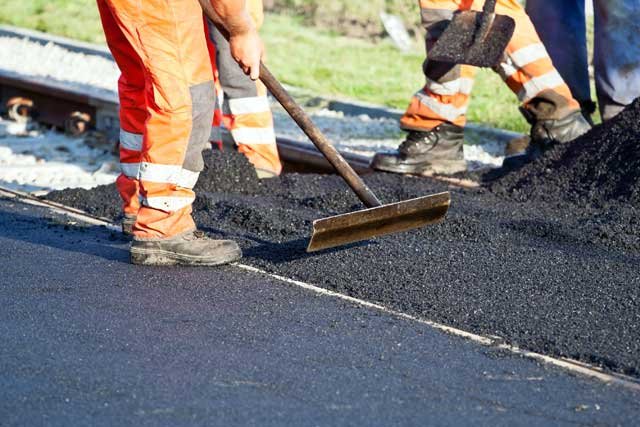
After preparation, a new layer of hot asphalt is applied evenly across the entire surface. The material is then compacted and leveled to ensure proper bonding and a smooth finish.
Once the surface cools and sets, the driveway is ready for use.
Importance of Proper Drainage
Good drainage is essential for maintaining the durability of a resurfaced driveway. Standing water can weaken asphalt and lead to premature damage.
During resurfacing, proper grading is often adjusted to ensure water flows away from the surface. This helps prevent pooling and reduces the risk of cracks and potholes in the future.
Effective drainage significantly improves the long-term performance of the driveway.
Maintenance After Resurfacing
After resurfacing, regular maintenance is important to preserve the condition of the driveway. Simple practices such as cleaning debris, sealing cracks early, and avoiding heavy oil spills can extend the life of the surface.
Sealcoating every few years provides additional protection against weather, chemicals, and UV exposure. Routine inspections also help identify minor issues before they become major problems.
Proper maintenance ensures that the resurfaced driveway remains strong and attractive for many years.
Long-Term Value of Asphalt Driveway Resurfacing
Although resurfacing requires an initial investment, it offers strong long-term value. It improves appearance, enhances durability, and reduces the need for frequent repairs.
By extending the lifespan of the driveway, resurfacing delays the need for full replacement, saving money over time. It also increases property value and improves overall curb appeal.
For homeowners and businesses, resurfacing is a practical and cost-effective solution for maintaining asphalt surfaces.
Conclusion
Professional asphalt driveway resurfacing is an effective way to restore strength, improve appearance, and extend the life of aging driveways. It provides a smooth, durable surface without the high cost of full replacement, making it an ideal solution for properties with moderate asphalt wear.
By repairing surface imperfections, reinforcing structural integrity, and protecting against weather damage, resurfacing ensures long-term performance and safety. With proper maintenance, a resurfaced driveway can remain functional and visually appealing for many years.
For property owners seeking a reliable and affordable way to upgrade their driveway, asphalt resurfacing offers a smart and long-lasting investment.