Bathroom remodeling has become one of the most valuable home improvement projects for homeowners looking to enhance comfort, functionality, and property value. A well-designed bathroom is no longer just a utility space; it has evolved into a personal retreat where comfort, aesthetics, and efficiency come together. Whether the goal is to upgrade outdated fixtures, improve water efficiency, or completely transform the layout, a successful renovation requires careful planning, design awareness, and proper execution.
Modern bathroom upgrades are driven by a combination of lifestyle needs and design trends. Homeowners are increasingly prioritizing spa-like environments, smart fixtures, and durable materials that can withstand humidity and daily wear. At the same time, practical considerations such as plumbing efficiency, ventilation, and storage optimization remain central to any remodeling project.
Understanding the Purpose and Scope of Bathroom Renovation
Before starting any renovation work, it is important to clearly define the purpose of the project. Some homeowners focus on cosmetic improvements such as new tiles, paint, or fixtures, while others pursue full-scale structural changes that involve plumbing relocation, layout redesign, and electrical upgrades.
A bathroom renovation can range from minor updates to complete overhauls. Minor upgrades typically include replacing faucets, mirrors, lighting, or cabinetry, while major renovations may involve demolishing existing structures and rebuilding the entire space from scratch. The scope of the project directly influences cost, timeline, and complexity.
In most successful projects, bathroom remodeling begins with a clear vision of how the space should function and feel. This includes decisions about layout efficiency, storage needs, lighting design, and aesthetic style.
Planning the Layout and Optimizing Space Efficiency
One of the most critical aspects of bathroom renovation is layout planning. Bathrooms are often limited in size, which makes efficient use of space essential. A well-designed layout ensures that movement within the space is comfortable and that essential fixtures such as the toilet, sink, and shower are positioned logically.
The placement of plumbing lines plays a major role in determining layout possibilities. Keeping fixtures close to existing plumbing can reduce costs and simplify installation. However, in larger renovation projects, relocating plumbing can significantly improve functionality and create a more modern design.
Storage is another key consideration. Modern bathrooms are expected to accommodate towels, toiletries, cleaning supplies, and personal items without appearing cluttered. Built-in cabinets, floating shelves, and vanity units are commonly used to maximize storage while maintaining a clean aesthetic.
Effective bathroom remodeling requires balancing aesthetics with practicality, ensuring that every inch of space contributes to comfort and usability.
Selecting Durable Materials for Long-Term Performance
Bathrooms are exposed to constant moisture, temperature fluctuations, and heavy daily use. As a result, material selection is one of the most important decisions in any renovation project. The wrong materials can lead to mold growth, water damage, and frequent maintenance issues.
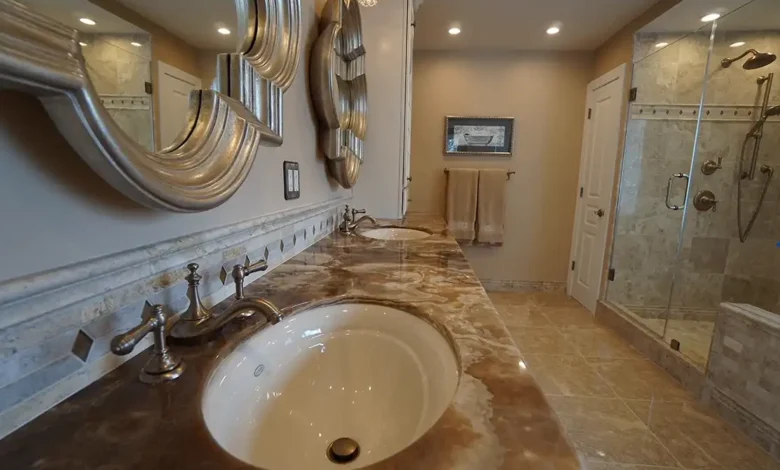
Tiles remain one of the most popular choices for bathroom surfaces due to their durability and water resistance. Ceramic and porcelain tiles are commonly used for both flooring and wall applications because they are easy to clean and resistant to moisture. Natural stone options such as marble and granite offer a more luxurious appearance but require sealing and maintenance.
For cabinetry, moisture-resistant materials such as treated wood, MDF with protective coatings, or PVC-based materials are often used. Countertops made from quartz are also highly favored due to their durability and low maintenance requirements.
In any successful bathroom remodeling project, selecting the right combination of materials ensures long-lasting performance while maintaining visual appeal.
Plumbing and Electrical System Upgrades
Behind every visually appealing bathroom lies a carefully designed infrastructure of plumbing and electrical systems. Renovation projects often provide an opportunity to upgrade outdated systems that may be inefficient or prone to failure.
Modern plumbing upgrades include water-saving fixtures such as low-flow toilets, efficient showerheads, and sensor-based faucets. These not only reduce water consumption but also contribute to lower utility bills. Proper pipe inspection is also essential to prevent leaks and ensure long-term reliability.
Electrical improvements typically involve upgrading lighting systems, installing exhaust fans, and adding outlets for modern devices. LED lighting has become a standard choice due to its energy efficiency and long lifespan. Layered lighting designs, including ambient, task, and accent lighting, help create a balanced and functional environment.
Careful attention to these systems ensures that bathroom remodeling delivers both aesthetic and functional improvements that last for years.
Ventilation and Moisture Control Strategies
Proper ventilation is essential in any bathroom to prevent moisture buildup, mold growth, and unpleasant odors. Without adequate airflow, humidity can damage walls, ceilings, and fixtures over time.
Exhaust fans are commonly installed to remove excess moisture from the air. These systems should be appropriately sized based on bathroom dimensions to ensure effective performance. In some cases, humidity-sensing fans are used to automatically regulate ventilation.
Natural ventilation, such as windows or vents, can also help improve airflow. However, relying solely on natural ventilation is often insufficient in modern sealed buildings.
Moisture-resistant paint and waterproof membranes are additional protective measures that help preserve wall and floor integrity. These materials are especially important in shower and bathtub areas where water exposure is frequent.A well-ventilated design is a key component of successful bathroom remodeling, ensuring long-term durability and hygiene.
Design Styles and Aesthetic Considerations
Bathroom design has evolved significantly over the years, with homeowners now choosing from a wide range of styles to match their personal preferences. Minimalist designs focus on clean lines, neutral colors, and uncluttered spaces, creating a calm and modern atmosphere. Contemporary designs often incorporate bold fixtures, contrasting materials, and innovative lighting.
Traditional bathrooms emphasize classic details such as ornate mirrors, detailed cabinetry, and warm color palettes. On the other hand, industrial-style bathrooms use raw materials like exposed metal, concrete, and matte finishes for a more rugged appearance.
Color selection plays an important role in shaping the overall mood of the space. Light colors create a sense of openness and cleanliness, while darker tones add depth and sophistication.In successful bathroom remodeling, design choices are carefully aligned with both functionality and personal taste to create a cohesive and visually appealing environment.
Fixture Selection and Modern Technology Integration
Modern bathroom fixtures are designed to enhance comfort, efficiency, and convenience. From smart toilets with automated flushing systems to touchless faucets and digital shower controls, technology has significantly transformed bathroom functionality.
Showers are often equipped with adjustable spray settings, rainfall features, and temperature control systems that provide a spa-like experience. Bathtubs have also evolved, with freestanding designs becoming increasingly popular for their aesthetic appeal.
Vanity units with integrated lighting and storage help streamline daily routines while maintaining a clean appearance. Mirrors with built-in LED lighting and anti-fog features further enhance usability.Incorporating modern fixtures is a key aspect of bathroom remodeling, allowing homeowners to combine luxury with practicality.
Budget Planning and Cost Management
Budgeting is one of the most important steps in any renovation project. Costs can vary widely depending on the scope of work, materials chosen, and labor requirements. A basic remodel may involve simple cosmetic updates, while a full renovation can include structural changes and high-end finishes.
It is important to allocate funds across different categories such as materials, labor, permits, and unexpected expenses. Setting aside a contingency budget helps manage unforeseen issues such as plumbing repairs or structural adjustments.
Cost-effective choices such as prefabricated vanities or standard tile designs can help reduce expenses without compromising quality. However, investing in durable materials often leads to better long-term value.Proper financial planning ensures that bathroom remodeling projects are completed smoothly without unnecessary delays or overspending.
Common Mistakes to Avoid During Renovation
Many bathroom renovation projects face challenges due to poor planning or lack of expertise. One common mistake is ignoring ventilation needs, which can lead to moisture damage and mold growth. Another frequent issue is improper waterproofing in wet areas, resulting in long-term structural damage.
Choosing style over functionality is another mistake that can affect usability. While aesthetics are important, the bathroom must remain practical for daily use. Overcrowding the space with fixtures or storage units can also make the room feel cramped and uncomfortable.Hiring inexperienced contractors or attempting complex plumbing work without proper knowledge can lead to costly repairs later.
Avoiding these mistakes is essential for ensuring that bathroom remodeling delivers lasting value and satisfaction.Sustainability has become a major focus in modern home design. Water-efficient fixtures, eco-friendly materials, and energy-saving lighting systems are increasingly being used in bathroom renovations.
These environmentally conscious decisions not only reduce utility costs but also contribute to long-term environmental conservation.
Conclusion: Creating Functional and Beautiful Bathroom Spaces
From layout planning and material selection to plumbing upgrades and design choices, every detail plays a crucial role in the success of the project. A well-executed bathroom remodeling in Coatesville project enhances daily living experiences while also increasing property value and long-term usability.
Low-flow toilets and showerheads significantly reduce water consumption without compromising performance. LED lighting reduces electricity usage while providing high-quality illumination. Recycled or sustainably sourced materials are also becoming popular choices for cabinetry and finishes.
Bathroom renovation is a powerful way to improve both the functionality and aesthetic value of a home. When carefully planned and executed, it transforms an ordinary space into a comfortable, efficient, and visually appealing environment.By combining thoughtful design with durable materials and modern technology, homeowners can create bathroom spaces that are both practical and luxurious, meeting the demands of contemporary living.